




4.X Trend Analysis: Where Is Honkai: Star Rail Actually Headed?
 Blake Lewis


Version 4.X doesn’t feel like a routine update for Honkai Star Rail. Instead of dramatic power spikes, we’re seeing structural refinement — from banner scheduling experiments to archetype consolidation and longer-term pull planning. This guide breaks down what the current signals really suggest about HSR’s direction and whether the meta is escalating or simply maturing.
With Version 4.0 now live, something about the conversation around Honkai: Star Rail feels… different.
It’s not just “Is this character broken?” anymore.
More and more players are asking a quieter question:
Is the game itself shifting?
Between banner timing debates, the growing presence of The Elation archetype, renewed DoT discussions, and noticeably longer pull planning cycles, 4.X doesn’t feel explosive.
It feels deliberate.
Not escalation.
Calibration.
And that distinction matters.
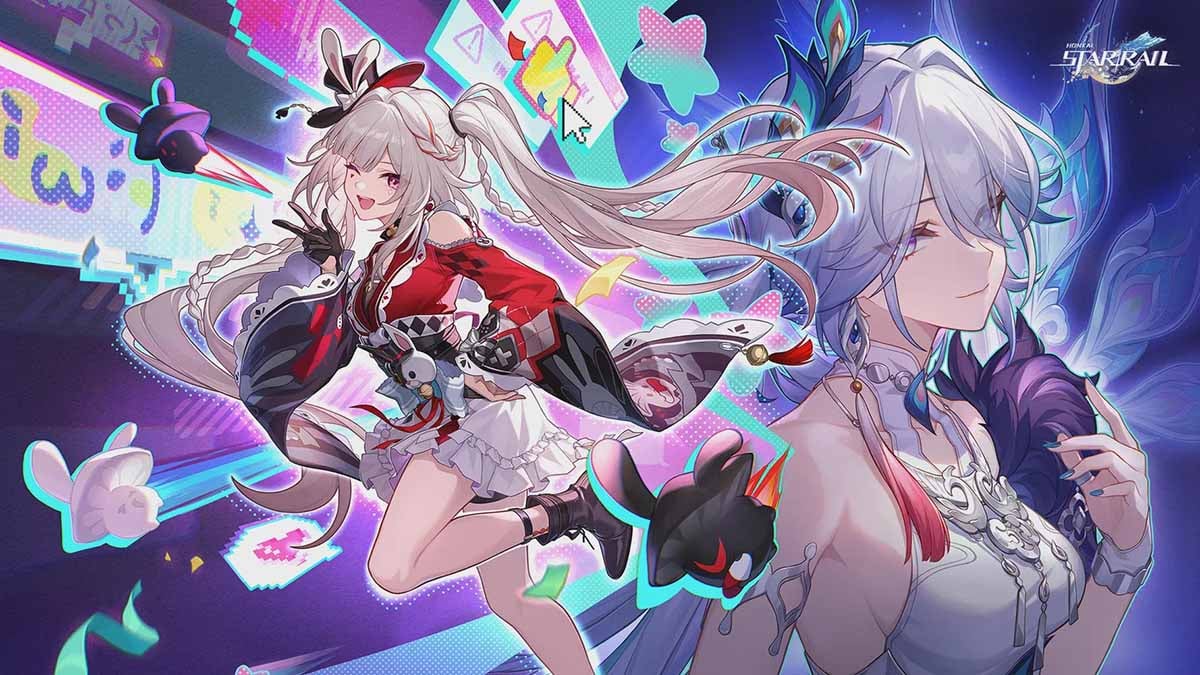
Banner Structure: A Scheduling Experiment?
When 4.0 launched, the loudest argument wasn’t about damage numbers.
It was about banner runtime.
A full-duration solo banner sparked immediate reactions. Some players, like Daniyalzzz, put it simply:
“We could have had them both run full banners…”
At first glance, that sounds like the usual banner frustration.
But underneath that frustration is something more structural.
Players have quietly noticed a pattern for years:
Patch launch = peak hype
Mid-cycle = engagement dip
Pre-next-patch teaser = hype returns
Second-phase banners often feel like they’re fighting gravity.
So the real question isn’t “Was this fair?”
It’s:
Is HoYoverse adjusting attention flow inside a patch?
Because banner rhythm directly affects player behavior. If you want a more direct look at how shorter version pacing could reshape saving and release expectations, our 4.1 banner timing breakdown explains why this scheduling shift matters.
When scheduling changes, saving cycles shift. And when saving cycles shift, so do spending decisions — including whether someone feels pressured to hsr top up immediately or wait things out.
And here’s the interesting part:
4.0 doesn’t feel chaotic.
It feels intentional.
Not a redesign.
A tempo adjustment.
And tempo shapes psychology more than raw numbers ever could.
Archetype Maturity: Elation Isn’t Flavor Text Anymore
If 4.X is refining structure, that refinement shows most clearly in archetypes.
The Elation Is Solidifying
The Elation isn’t just thematic branding anymore. For a closer look at how this shift started, our Path of Joy analysis breaks down why Elation began feeling like a real framework instead of just a thematic label.
It’s starting to behave like a framework.
Earlier in Star Rail’s lifecycle, hypercarries could anchor entire teams on raw output alone.
Now?
Synergy loops matter more.
Trigger frequency matters.
Scaling interaction matters.
It’s less about “Who hits hardest?”
And more about “Who interacts best?”
That’s not a nerf to individual power.
It’s a shift toward ecosystem cohesion.
And cohesion changes how players think.
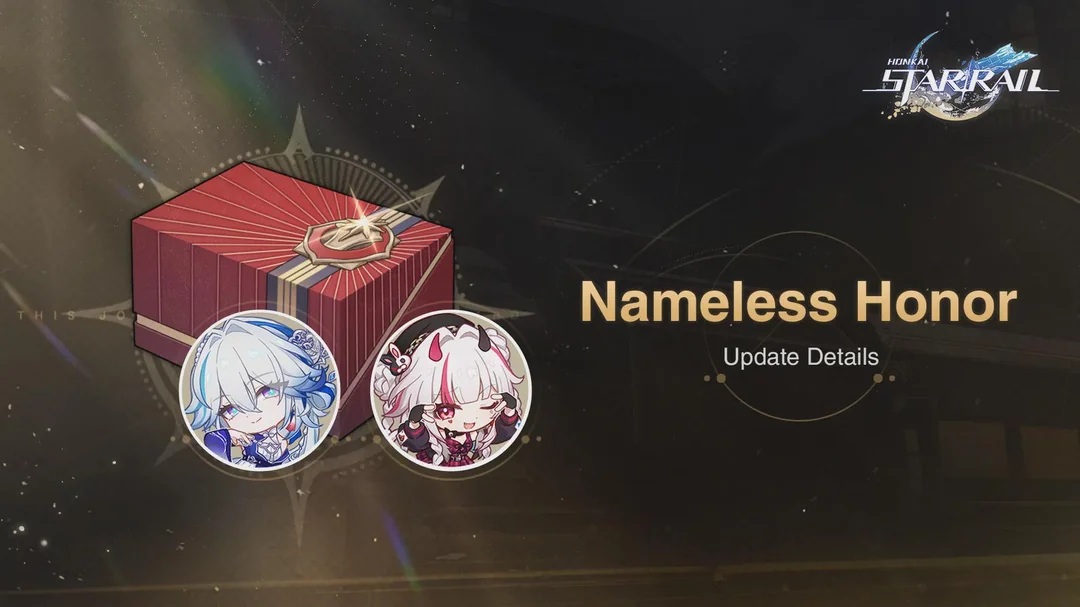
The “Sparxie Effect”
Community reactions around Sparxie are telling.
Some players have pointed out that certain DPS units feel noticeably constrained without her.
That’s not necessarily bad design.
It might be archetype specialization maturing.
When core enablers gain value:
Team-building becomes long-term.
Pull planning stretches further ahead.
Characters feel less standalone.
And psychologically, that changes everything.
Because missing one synergy piece feels worse than missing raw damage.
That’s when some players start wondering whether to honkai star rail top up just to complete the loop.
But here’s the nuance:
The game doesn’t demand that choice.
Optimization does.
And those are not the same thing.
This isn’t vertical power creep.
It’s horizontal ecosystem growth.
DoT Didn’t Disappear
If 4.X were about resetting the meta, we would see old archetypes collapse.
But DoT never collapsed.
Kafka interest hasn’t faded.
Some players openly admit they’ve been saving for literal years to finish their DoT lineup.
That doesn’t happen in unstable ecosystems.
That happens when players trust the structure.
DoT still works.
Elation now works.
Future archetypes will likely work too.
Coexistence is balance.
And balance rarely screams.
Pull Behavior Is Changing — Quietly
One of the most interesting signals in 4.X isn’t mechanical.
It’s behavioral.
Players are planning further ahead.
Not in a panicked way.
In a calculated way.
Multi-Phase Budgeting
We’re seeing more:
Phase 1 vs Phase 2 saving splits
Rerun mapping spreadsheets
Guarantee probability tracking
That’s not panic pulling.
That’s ecosystem familiarity.
If real structural power creep were happening, you’d see the opposite.
Emergency spending.
Frequent hsr topup spikes.
“Pull now or be left behind” behavior.
Instead, players are budgeting.
That suggests stability.
The 50/50 Anxiety Layer
The “infinite train ticket” jokes are funny.
But they also reveal something deeper.
When archetypes rely more on synergy, missing one piece feels heavier. That pressure becomes easier to understand when you look at how upcoming releases may cluster around the same archetype, which is exactly what our Elation lineup preview explores.
Not because content becomes unclearable.
But because completion feels incomplete.
That emotional tension sometimes pushes players toward considering a quick top up decision.
But that pressure is internal.
Not systemic.
And that distinction is everything.
The Bigger Picture: Consolidation Mode
Zoom out.
4.X doesn’t look revolutionary.
It looks integrative.
We are not seeing:
Explosive damage inflation
Spiral difficulty spikes
Hard invalidation of older units
Instead, we’re seeing:
Archetype layering
Banner pacing refinement
Player planning maturity
That’s not escalation.
That’s consolidation.
So Where Is Star Rail Headed?
Right now?
It looks steady.
Synergy depth is increasing.
Multiple archetypes coexist.
Patch pacing feels intentional.
Players are thinking longer-term.
And the most important signal:
The game still rewards planning more than panic.
That’s healthy.
Final Assessment
If you expected 4.X to reinvent Star Rail, it won’t.
If you feared it would destabilize the meta, it hasn’t.
Instead, it’s doing something less flashy — but more sustainable.
It’s refining structure.
It’s stabilizing archetypes.
It’s testing rhythm.
Star Rail isn’t accelerating upward.
It’s fine-tuning.
And honestly?
That might be exactly what a live-service game entering its maturity phase needs.


- All-In-One Bundle$160.8-$40.14$200.94
- 60 Oneiric Shard$0.75-$0.24$0.99
- 300+30 Oneiric Shard$3.6-$1.39$4.99
- 980+110 Oneiric Shard$10.83-$4.16$14.99
- 1980+260 Oneiric Shard$21.67-$8.32$29.99
- 3280+600 Oneiric Shard$36.12-$13.87$49.99
- 6480+1600 Oneiric Shard$74.99-$25$99.99
- 6480+1600 Oneiric Shard*3$244.97-$55$299.97
- 6480+1600 Oneiric Shard*5$414.96-$84.99$499.95
- 6480+1600 Oneiric Shard*10$839.92-$159.98$999.9
- Express Supply Pass$3.6-$1.39$4.99












 No Related Information


