

Marvel Rivals Beginner Guide: Roles, Heroes, Tips, and Mistakes

A complete Marvel Rivals beginner guide covering roles, hero choices, early mistakes, improvement tips, progression planning, and smart top-up decisions for new players. Marvel Rivals is easiest for beginners when you learn one role first, play heroes with clear jobs, and focus on positioning before mechanics.
Quick Answer
If you are new to Marvel Rivals, start by learning one role, using beginner-friendly heroes, and focusing on positioning, timing, and role discipline before worrying about damage or flashy plays.
If you are brand new to Marvel Rivals, do not worry about carrying right away.
Focus on becoming useful first.
That means learning one role, fixing your positioning, and understanding when your team is actually ready to fight.
Here is the short version:
Start with one role, not three
Prioritize positioning, timing, and role discipline over flashy plays
Choose beginner-friendly heroes with clear jobs and reliable value
Avoid common early mistakes like overpushing, panic ability use, and constant hero swapping
Think about spending only after you understand how you actually like to play
If you do those things first, Marvel Rivals gets much easier much faster.
This guide breaks down the best beginner roles, recommended starter heroes, common mistakes, and the fastest way to improve without overcomplicating the game.
What Is Marvel Rivals for New Players?
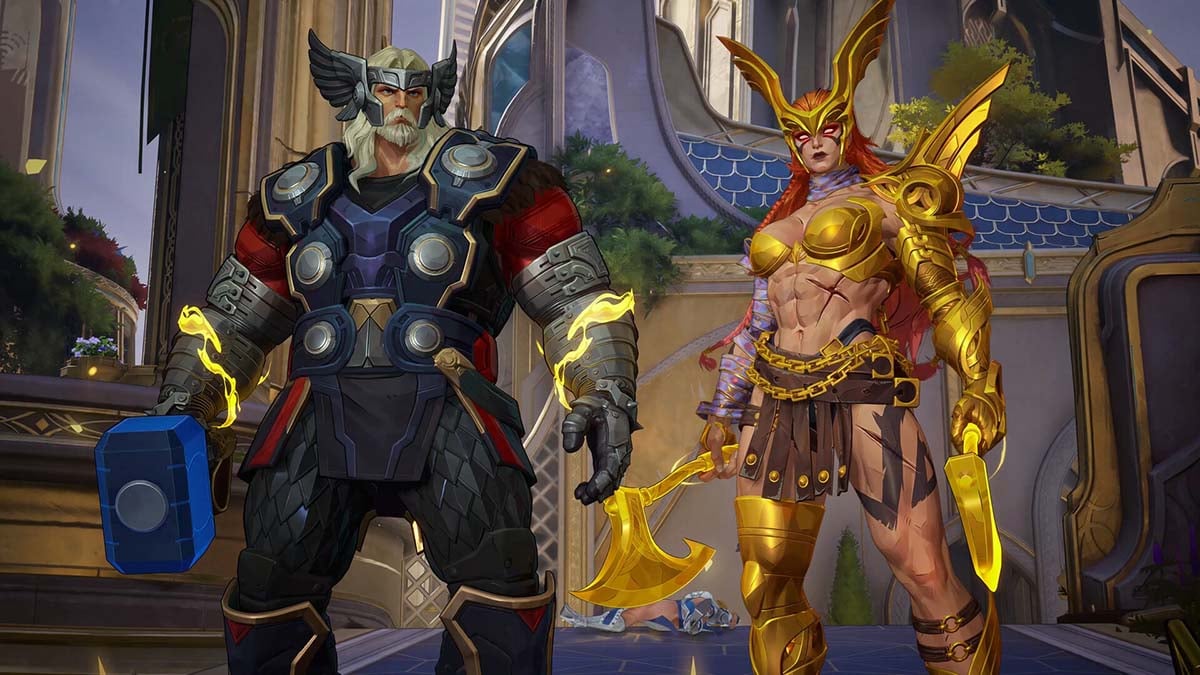
Marvel Rivals is built around fast team-based PvP, role identity, and hero kits that are meant to work inside a team instead of in isolation. Official Marvel Rivals materials consistently frame the game around three core classes—Vanguard, Duelist, and Strategist—which is one of the main reasons the game feels structured even when matches look chaotic.
That role structure matters more than beginners think.
A lot of new players load in and immediately ask, “Who is the strongest character?” That is not always the best first question. A better one is: “What job am I supposed to do for my team?”
If you understand that, the game starts making sense much faster.
Another reason Marvel Rivals is easy to jump into is hero access. The official website says all heroes are unlocked and free to play at launch and beyond, which lowers the barrier for new players who want to test roles and learn what actually suits them.
That is a huge advantage for beginners, because you are not forced to guess your playstyle before you have even learned the basics.
How Matches Work in Marvel Rivals
Marvel Rivals makes much more sense once you stop reading each match as a pure damage race.
The goal is not just to get eliminations.
The goal is to help your team win control of the fight.
For beginners, that usually means understanding three things:
First, fights are often decided by timing, not just mechanics.
A player who enters at the right moment is often more valuable than a player who deals damage too early and dies first. This is one reason new players often feel like the game is too chaotic at first. The problem is usually not raw speed. It is not knowing when the fight has actually started.
Second, roles shape how your team wins.
Vanguard creates pressure and space. Duelist punishes openings and finishes targets. Strategist keeps the team stable and helps fights stay playable. If one role fails its job, the whole fight usually gets harder for everyone else.
Third, value is bigger than damage.
A lot of beginners look at eliminations or damage first, but that misses a big part of what wins games. Pressure, survival, cleanup, peeling, and staying in the right position often matter just as much. Big numbers do not always mean big impact.
A simple way to think about each match is this:
Your team needs someone to start or anchor pressure
Someone needs to convert openings into kills
Someone needs to keep the fight stable long enough to win it
That is the real rhythm of Marvel Rivals.
Once you understand that, the game feels less random, and your decisions become much easier to judge after each match.
Marvel Rivals Beginner Tips: What to Focus on First
Do not focus on carrying right away.
Focus on staying useful.
That sounds less exciting, but it is how players improve faster.
In your first several matches, you should care more about these questions than your final elimination count:
Where do fights usually begin?
When is your team actually ready to push?
How often are you dying because you walked too far forward?
Are you using abilities with purpose, or just because you got nervous?
Those are the real beginner questions.
Most early losses come from one of three things: bad positioning, bad timing, or trying to do too much alone. If you clean those up, your games start feeling slower, and once the game feels slower, your decisions get better.
A simple beginner plan works best:
Pick one role first.
Play enough matches on that role to understand what “normal” feels like.
Then start experimenting.
That gives you a foundation instead of random experience.
Marvel Rivals Beginner Checklist
Stick to one role first
Learn where fights usually begin
Stop walking in before your team is ready
Use abilities for a reason
Review deaths for positioning mistakes
Judge games by usefulness, not just eliminations
Marvel Rivals Roles Explained for Beginners
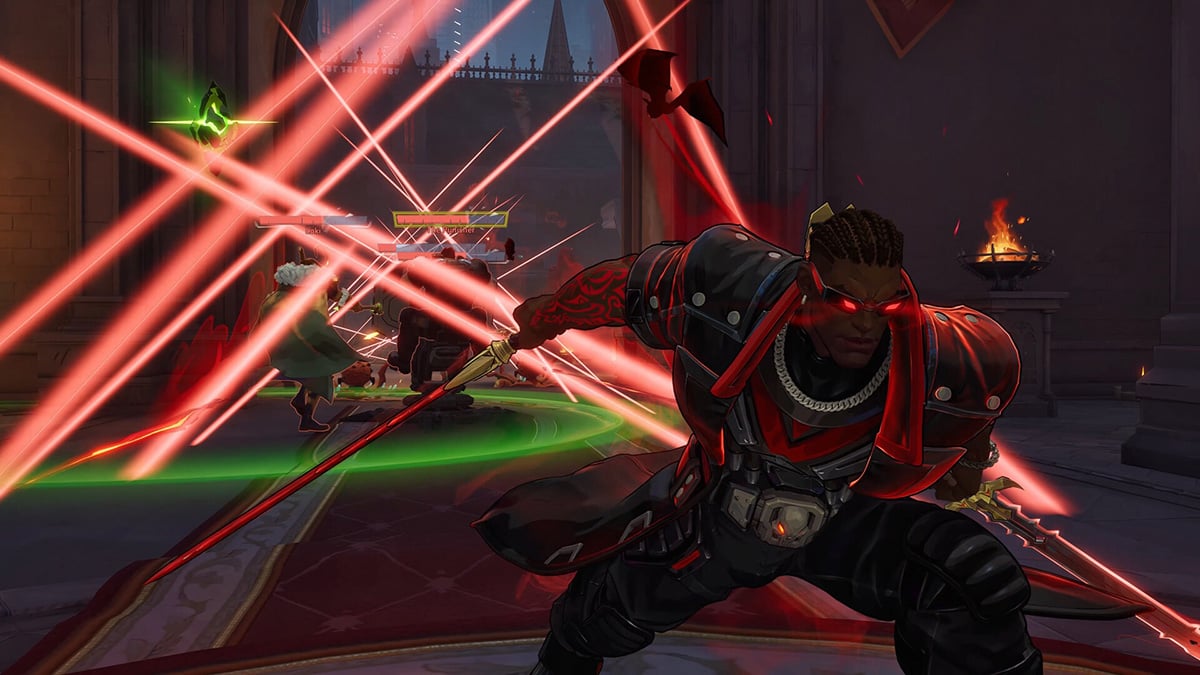
Marvel Rivals mostly uses three core role labels: Vanguard, Duelist, and Strategist. For most heroes, those labels are the easiest way for beginners to understand how fights are supposed to work. Those categories are not just labels. They are the easiest way for new players to understand how fights are supposed to work.
Vanguard
Vanguards are the heroes who help create space and absorb pressure.
If you like being the player who starts fights, holds dangerous ground, or makes the game easier for your teammates, this role is a strong place to begin.
A good Vanguard does not just survive. A good Vanguard makes the enemy team uncomfortable. You force attention, take up space, and give your backline room to function.
For a beginner, Vanguard is a great teacher because it shows you how important positioning and timing really are. If you push too early, you get punished. If you hesitate too long, your team never gets the opening.
Duelist
Duelists are the role most players naturally gravitate toward first.
You get damage. You get pressure. You get the feeling that you can take over fights.
But Duelist is also where many beginners build bad habits.
The mistake is thinking Duelist means “go in first and try to outgun everyone.” That is how you feed. A good Duelist usually gets the best value by entering at the right time, finishing weakened targets, or punishing openings created by the rest of the team.
If you like aggressive play and quick decisions, Duelist can be a great fit. Just do not confuse aggression with impatience.
Strategist
Strategist is one of the best roles for players who want to improve fast.
A lot of beginners think support-style roles are passive. In reality, Strategist teaches you how fights really unfold. You notice who is overextended, who is taking pressure, when a fight is slipping, and when a teammate is actually worth investing resources into.
If Vanguard teaches space and Duelist teaches kill pressure, Strategist teaches game sense.
That is why many strong players get better faster after spending time on support-oriented roles, even if that is not the role they plan to main forever.
Best Role for Beginners in Marvel Rivals
There is no universal answer, but there is a practical one.
If you want to learn fight structure, start with Vanguard.
If you want to learn game sense and team awareness, start with Strategist.
If you already have better mechanics or stronger shooter instincts and want more individual pressure, Duelist can be a good starting point.
The worst beginner approach is not picking the “wrong” role. It is switching roles every other match before you understand why your previous games went badly.
Stick with one long enough to spot your own patterns.
That is how real progress starts.
Best Starting Role by Playstyle
Vanguard — best for learning frontline timing and fight structure
Strategist — best for learning awareness and team flow
Duelist — best for players with better mechanics who want more direct pressure
Best Beginner Heroes in Marvel Rivals
If you are completely new to Marvel Rivals, start with heroes that have clear jobs, reliable value, and fewer ways to sabotage yourself.
A good beginner shortlist looks like this:
Captain America is one of the easiest beginner Vanguard options because his identity is simple: move first, protect space, and help your team push. He is officially listed as a Vanguard and described as a hero who rallies his troops, which matches a very readable frontline job for new players.
Groot is another strong beginner Vanguard because he is built around durability and team utility. His official profile emphasizes enhanced vitality, plant control, and being a silent but reliable pathfinder, which makes him a natural pick for players who want a sturdier, lower-panic frontline hero.
Scarlet Witch can be a solid beginner Duelist if you want damage without jumping straight into high-precision aim requirements. She is officially listed as a Duelist with chaos magic, crowd control, mobility, and explosive ranged pressure, which makes her easier to understand than aim-heavy sniper-style damage dealers.
Rocket Raccoon is one of the safest Strategist recommendations for beginners because his support value is obvious and practical. His official page shows that he can heal allies, boost ally damage, and place a revive beacon, so even when your mechanics are still developing, you can still contribute in clear ways.
Luna Snow can also be a beginner-friendly Strategist because her kit naturally teaches awareness and team flow. She is officially listed as a Strategist, and her page shows direct healing, ally attachment support, crowd control, and self-sustain, which makes her a strong choice for learning how fights unfold.
Beginner Hero Shortlist
Captain America / Groot — safer frontline learning picks
Scarlet Witch — simpler beginner Duelist option
Rocket Raccoon / Luna Snow — easiest support value while learning
And yes, if you are trying to decide where to invest time first, checking a current Marvel Rivals tier list can help. Just do not treat it like a shortcut. A tier list can show what is strong right now, but it cannot replace positioning, timing, or role discipline.
7 Common Beginner Mistakes in Marvel Rivals
Most new players do not lose because they are new.
They lose because they repeat the same mistakes over and over.
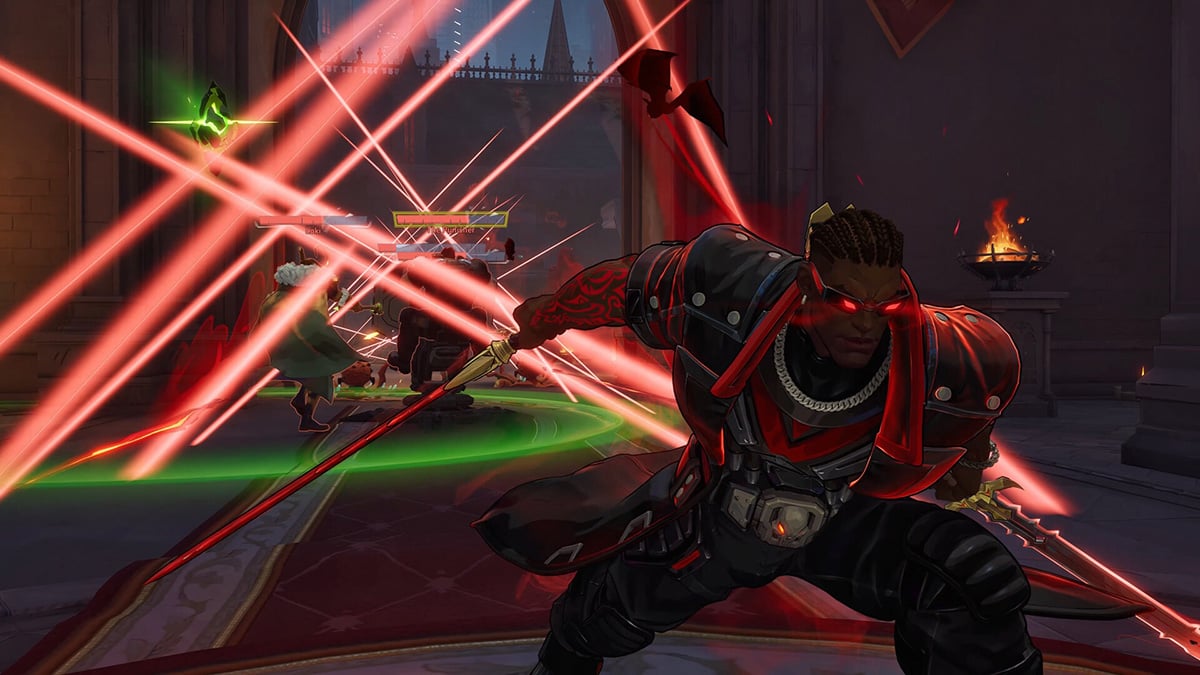
1. Walking in before the fight actually starts
A lot of players think they are being proactive when they are really just being early. If your team is not ready, your “engage” is usually just a free pick for the other side.
2. Playing too far from your role
If you are Vanguard and never create pressure, your team feels cramped.
If you are Duelist and never punish openings, your team lacks finishing power.
If you are Strategist and tunnel on the wrong target, your team falls apart in the middle of the fight.
3. Measuring every match by damage
Damage can matter, but it is not the full story.
Pressure, space, survival, peeling, timing, and cleanup all matter too. Big numbers do not always mean big value.
4. Burning abilities the second pressure appears
This is one of the biggest beginner habits. Players feel danger, hit buttons, and then have nothing left when the real fight starts.
Do not use abilities just because something is happening.
Use them because they solve a specific problem.
5. Constantly swapping heroes
Switching too often feels like adaptation, but for many beginners it is just disguised frustration. If you never stay on one hero or role long enough to learn from your mistakes, you keep resetting your own progress.
6. Taking bad positions without realizing it
This is probably the biggest hidden problem in beginner play.
If too many enemies can see you, too many angles can hit you, or your team cannot support you, the fight is already worse than it should be.
7. Making random progression decisions
This is the off-the-field version of bad positioning.
Do not rush your unlocks, purchases, or progression choices before you understand what kind of player you actually are. A lot of wasted value comes from players trying to “optimize” before they even know their own preferences.
How to Get Better at Marvel Rivals as a Beginner
You do not need a giant routine.
You need better questions.
After Every Match, Ask Yourself
Was I too early?
Was I too far forward?
Did I use my kit with purpose?
Did I help the fight, or just participate in it?
The 3 Fastest Improvement Areas
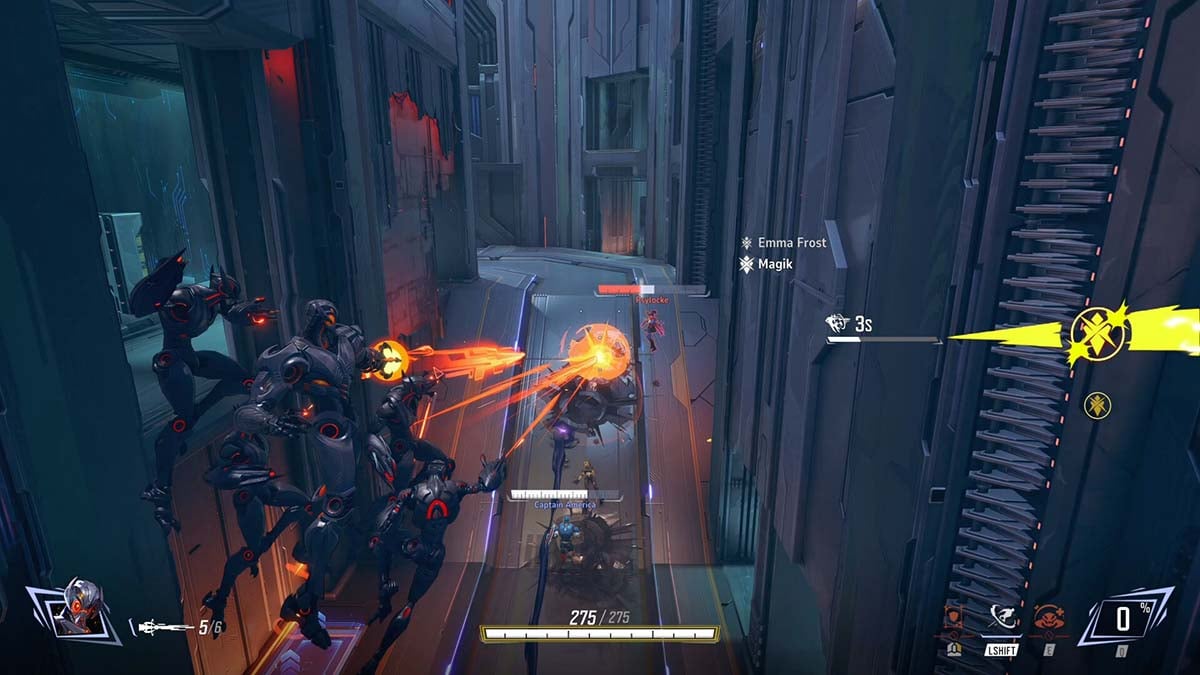
Positioning — decides how hard the game feels
Timing — decides whether good ideas actually work
Role discipline — decides whether your team gets value from your presence
Positioning decides how hard the game feels.
Timing decides whether your good ideas actually work.
Role discipline decides whether your team gets value from your presence.
Most players try to improve mechanics first because mechanics are easy to see. But in a team shooter like Marvel Rivals, decision quality usually has a bigger impact on consistency than raw aim alone.
How Beginners Should Use Resources in Marvel Rivals
Even in a game where heroes are broadly accessible, progression decisions still matter. The official site’s “all heroes unlocked” message removes a major early barrier, but it does not remove the need for smart account planning.
Beginners usually care about three things:
getting stronger
unlocking cool content
making progress faster
The problem is trying to chase all three at the same time without a plan.
A better approach is to decide what matters most to you right now.
If your main goal is improvement, prioritize comfort and consistency. Build around the characters, roles, and systems you actually use.
If your main goal is customization, then your decisions should reflect that. Cosmetic value is still value, as long as you know that is what you are buying.
If your main goal is efficiency, that is where Marvel Rivals top up becomes a fair question. Not because every new player should spend, but because some players already know they are going to stick with the game and want a smoother progression path.
The key is intentional spending.
Do not spend just because the game feels exciting for one weekend.
Spend because you already know what you want from the game.
When Spending Actually Makes Sense
For some beginners, spending early is reasonable.
For others, it is a waste.
It usually makes sense when you already know three things:
You enjoy the game enough to keep playing.
You understand what kind of content matters to you.
You have a clear plan for what you want to buy.
It usually makes less sense if you are still bouncing between roles, still unsure which heroes you enjoy, or still trying to figure out whether you even like the game long term. That is especially true for low-budget players.
The real goal is not spending less at all costs.
The goal is wasting less.
Spend if:
You already know you enjoy the game
You know what kind of content matters to you
You have a clear purchase plan
Wait if:
You are still swapping roles constantly
You do not know which heroes you enjoy
You are still unsure whether you will stick with the game
A good spending decision should support the way you play. It should not be a reaction to confusion, frustration, or fear of falling behind. And once you do decide to buy, platform quality still matters, because checkout reliability and delivery speed affect whether the experience feels smooth or annoying from start to finish.
Marvel Rivals Beginner FAQs
Is Marvel Rivals beginner-friendly?
Yes. The role system is easy to understand at a high level, and the official site says all heroes are unlocked and free to play at launch and beyond, which makes experimenting much easier for new players.
What is the best role for beginners in Marvel Rivals?
There is no single best answer for everyone, but Vanguard is great for learning fight structure, Strategist is excellent for building awareness, and Duelist is usually better once you are more comfortable with positioning and timing. That is why many beginners improve faster when they commit to one role first instead of switching constantly.
How many heroes should beginners learn first?
One to three is usually enough. Start with one main pick, then add one backup option in the same role or a second role once you understand your basics. Learning too many heroes too early often slows improvement because you keep resetting your own comfort level.
What is the biggest mistake new players make in Marvel Rivals?
Usually it is bad positioning or entering fights too early. A lot of beginners think they need to force action, but many early losses come from being too far forward, using abilities too early, or trying to do too much alone.
Should beginners care about the meta right away?
A little, but not too much. It helps to know what is currently strong, but fundamentals matter more at the start. Good positioning, clean timing, and role discipline will improve your results faster than chasing every popular pick.
How do beginners get better at Marvel Rivals faster?
Keep it simple. Learn one role first, review your deaths, and focus on positioning, timing, and role discipline. Most beginners improve faster once they stop judging every game by eliminations alone and start asking whether they were useful to the fight.
Should new players spend money in Marvel Rivals?
Only if they already know they enjoy the game, understand what they want, and have a clear reason for spending. Buying too early usually creates more regret than value, especially if you are still figuring out your role, hero pool, and long-term playstyle.
If You Only Remember 3 Things
Learn one role first
Fix positioning and timing before chasing mechanics
Choose heroes that help you stay useful, not just flashy
If you are brand new to Marvel Rivals, do not worry about looking impressive right away.
Worry about becoming useful.
Learn one role first. Fix your positioning. Stop entering fights too early. Use abilities with a reason. Pay attention to how your team actually wins when things go well.
That foundation matters more than any quick trick.
Once you understand your playstyle, your hero preferences, and your progression priorities, every other decision gets easier too.
Choose the bestMarvel Rivalsproducts
