

Why Gold Lane Falls Behind at 10 Minutes in MLBB

This MLBB guide explains why many Gold Lane players are underfarmed by the 10-minute mark. It covers the most common causes of early item deficits, including poor wave management, bad recall timing, low-value rotations, weak map decisions, and inefficient farming habits. The article is designed to help players understand how small mistakes stack up into major economy gaps and how to fix them.
If you have played enough ranked games in MLBB, you have probably seen the same pattern over and over again. Your Gold Lane looks fine in the first few minutes, nobody is feeding, the lane does not even feel lost, and then the clock hits 10:00. You check the scoreboard and somehow the enemy Gold Laner is already a full item ahead.
This is one of the most misunderstood problems in the game. A lot of players think a Gold Lane deficit only happens when someone dies too much or gets badly outplayed in lane. In reality, most 10-minute item gaps are created by smaller mistakes that stack up over time: bad wave timing, poor map reads, late rotations, wasted recalls, and joining the wrong fights.
After years of playing and watching how higher-level matches unfold, one thing becomes clear: most underfarmed Gold Laners are not losing because of mechanics alone. They are losing because they are bleeding income in ways they do not notice while the game is happening.
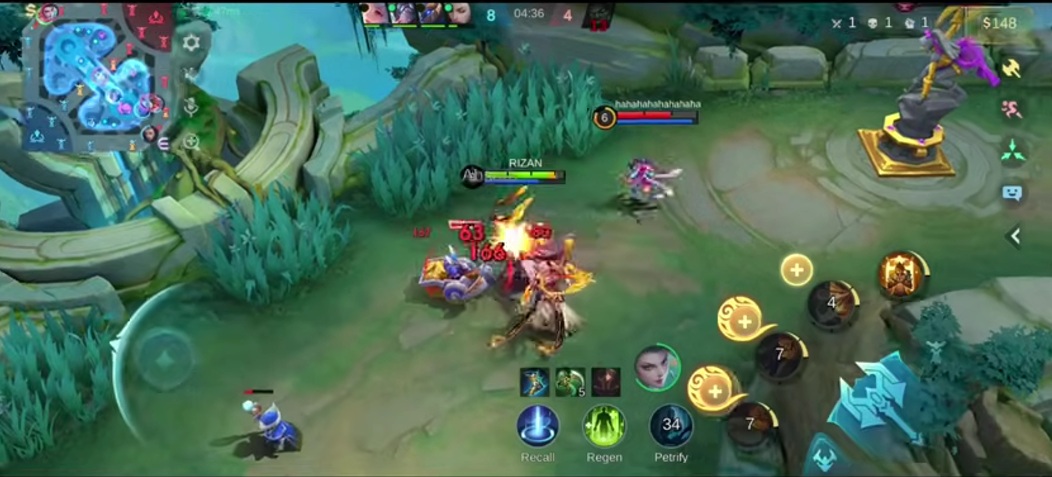
The Gold Lane role is an economy job before it becomes a carry job
The biggest mistake many players make is misunderstanding what Gold Lane is supposed to do in the first place. Yes, your job is to deal damage later. Yes, you may be the team’s primary late-game win condition. But before any of that matters, your real job is to convert lane resources into item tempo.
A Gold Lane hero is not judged by how many flashy fights they take in the first eight minutes. They are judged by whether they reach their core items on time.
Gold income is built from repetition, not highlights
Most of your early economy comes from boring, repeatable actions: clearing waves cleanly, collecting lane gold, taking safe chip damage on turret plates, staying alive, and being in the right place before the next wave crashes. Players fall behind because they chase moments instead of protecting cycles.
One missed wave does not look like much. One late rotation back to lane does not look terrible either. One unnecessary death may feel recoverable. But by 10 minutes, three or four of those errors turn into an item gap that suddenly feels impossible to close.
“I’m helping the team” is often how Gold Lane players go broke
This is probably the most common excuse I hear from struggling Gold Laners. They rotate early, force awkward skirmishes, show up late to fights in river, and give up two waves just to participate in something that was never worth their time. It feels selfless in the moment. It is usually terrible economics.
A Gold Laner who arrives late to a low-value fight, contributes little, and loses turret pressure has not “helped the team.” They have traded guaranteed gold for low-percentage impact.
Good Gold Lane players understand that not every fight is their fight. Sometimes the correct play is to stay in lane, take the wave, pressure the tower, and be richer than everyone else when the real fight starts later.
Most 10-minute deficits come from three repeating mistakes
In most games, the reason a Gold Lane falls behind can be traced back to the same small group of problems.
Bad wave management
This is the quiet killer. Players love talking about mechanics, but lane economy is still king.
A Gold Laner falls behind when they clear at the wrong speed, leave lane before fixing the wave, or let the enemy crash a stacked wave into tower while they are wandering through river. Even if you do not die, you are losing time, experience, and gold.
A strong Gold Laner is always asking simple questions. Where is the next wave? Can I clear and move, or do I need to stay? If I rotate now, what am I giving up?
If you do not think about the wave before rotating, you are usually making the wrong decision.
Bad recalls and wasted tempo
A surprising number of players lose lane economy because they recall at the worst possible time. They back after a half-trade, or after pushing too slowly, or right before a cannon wave arrives. Then they come back to lane and realize they lost more than they healed for.
A good recall is not just about low HP. It is about timing. The best recalls happen when you have already fixed the wave, forced the opponent to answer it, or created a safe window where you are not giving up farm for free.
A bad recall costs more than health ever saves.
Joining low-value fights
By minute 10, many losing Gold Laners have one thing in common: they spent too much time fighting for nothing.
Maybe it was a messy Turtle setup where they arrived late and got zoned off. Maybe it was a random jungle skirmish where no objective was on the map. Maybe it was a mid-lane brawl that looked urgent but ended with no tower, no kill conversion, and two lost waves on the side.
Higher-level Gold Lane play is not about fighting more. It is about fighting on good terms. That means showing up when your items matter, your position is playable, and the reward is actually worth the rotation. A lot of Gold Lane item gaps come from poor rotation timing, especially when players leave lane for fights that were never worth more than the wave they gave up, so knowing when to farm or group can decide whether you stay on item pace or fall behind.
The map punishes late Gold Lane decisions more than people realize
A Gold Lane can look “even” in lane and still be losing badly at the map level. This usually starts once outer towers, Turtle control, and side-lane rotations begin to matter.
Rotating second is often the same as rotating wrong
Many Gold Laners react instead of planning. They see a fight starting and move after it has already broken out. By the time they arrive, the enemy Gold Laner has either already contributed damage or stayed in lane and collected resources while they wasted time walking.
This is why map awareness matters so much. Good Gold Lane players do not move because something happened. They move because they saw it coming.
If you are always the second Gold Laner to respond, you are usually choosing between two bad outcomes: missing lane gold for nothing or showing up too late to matter.
Losing turret pressure changes everything
A lot of players underestimate how important early side-lane tower pressure is. Once your side becomes unsafe, your farm path gets narrower. You need more vision, more help, and more caution just to collect the same gold that was free two minutes ago.
When the enemy Gold Laner gets first turret gold or keeps your lane permanently pushed, they are not just ahead in gold. They are controlling the shape of your future farm.
That is why small lane mistakes snowball so hard. Once the map starts working against you, catching up becomes much harder.
Team resource sharing also matters
This is something veteran players notice quickly. Gold Lane is not just about your own lane anymore after early game. It is also about who gets mid waves, jungle scraps, side catch, and objective gold after rotations begin.
Some Gold Laners fall behind because they never claim the right follow-up farm. They rotate mid and hover too long. They share too many waves with mage or roamer. They do not take nearby jungle safely when their lane is dead. They spend too much time waiting for fights instead of collecting what is available.
The strongest Gold Laners stay active on the map without becoming greedy. They know how to keep farming between fights. That is the difference between “participating” and actually scaling.
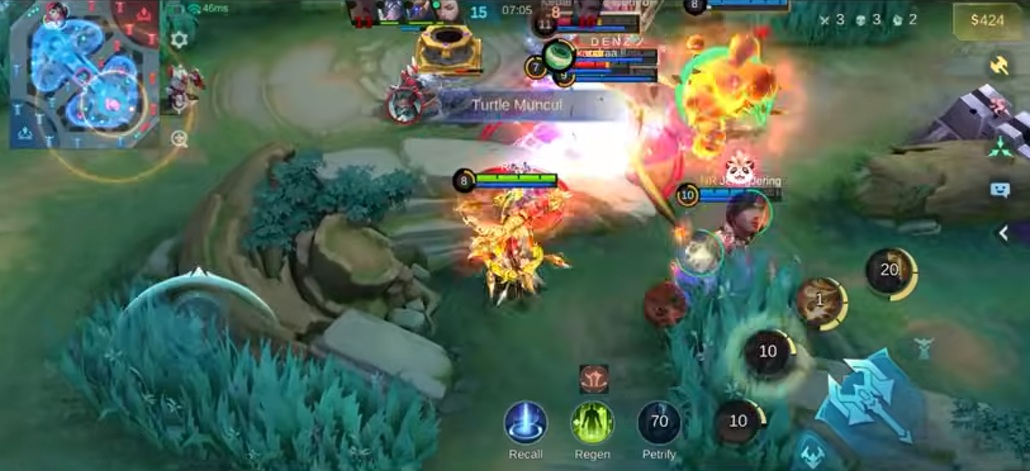
The heroes, builds, and habits that keep Gold Lane relevant
Not every Gold Lane deficit is purely macro. Some players make the game harder for themselves with poor draft choices, weak item timing, or habits that slow their scaling.
Draft matters more than people admit
If you blind pick a weak laner into heavy pressure, you may already be playing uphill. If you choose a scaling marksman without enough peel or early support, your lane may be technically playable but still economically fragile.
This does not mean you need to counterpick perfectly every game. But it does mean you should understand what your hero needs. Some Gold Laners want quiet early minutes. Some want pressure and plate gold. Some need protection before first item. Others can self-stabilize.
A lot of players blame themselves for falling behind when the truth is they drafted a lane that required a cleaner game than solo queue usually gives.
Build paths can either smooth your game or make it clunky
Another common issue is greedy itemization. If your build path leaves you weak during the most contested part of the mid game, you may lose fights and map control before your damage spike ever arrives.
Good players think about timing, not just final build. They ask what helps them function now, not only what looks strongest at full build.
And for players who want access to more heroes, skins, or event resources without waiting forever, some choose a Mobile Legends top up so they can unlock options faster and build out stronger role flexibility. That does help with account progression. But once the match starts, item timing, lane control, and wave discipline still matter far more than cosmetics or collection size.
The habits that separate stable Gold Laners from broke ones
The best Gold Laners I have played with over the years all share a few traits. They rarely miss free waves. They do not panic-rotate. They know when to ignore a bad fight. They are disciplined with recalls. They understand that their first responsibility is staying on pace.
Most importantly, they do not confuse activity with value.
That is the real lesson. A Gold Laner can be busy all game and still be poor. Another can seem quiet, make fewer dramatic plays, and quietly hit every item timing that matters.
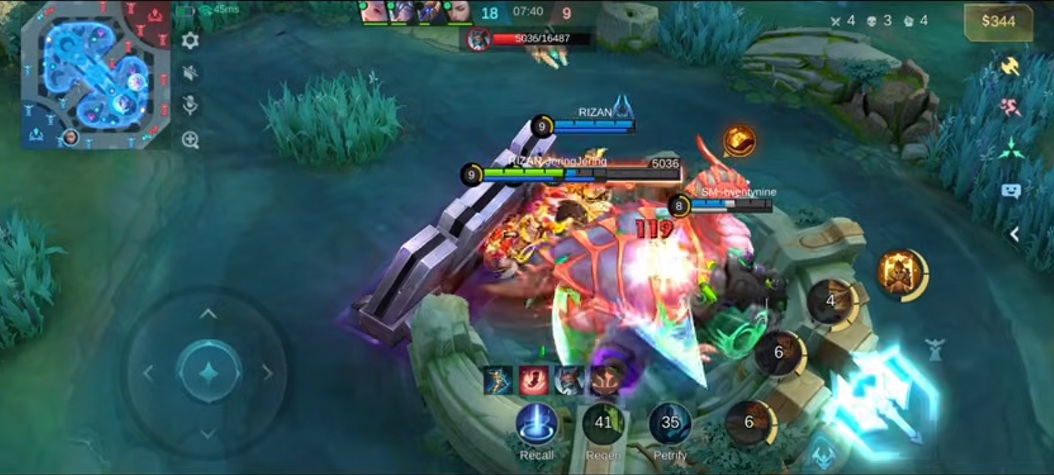
If your Gold Lane is behind at 10 minutes, the problem usually started much earlier
By the time the scoreboard shows a clear item gap, the damage has already been done. The enemy did not magically become rich at 10:00. They arrived there through better decisions in the first eight or nine minutes.
That is why the fix is not “play safer” or “fight better” in some vague sense. The fix is more specific.
Protect your waves. Respect recall timing. Stop rotating to bad fights. Learn which objectives are worth your time and which are traps. Take farm on the map without drifting into dead space. Treat every early minute like it matters economically, because it does.
A Gold Lane deficit is rarely one disaster. It is usually the result of a dozen small leaks.
And once you see the role that way, your games start changing fast. You stop wondering why you are always down an item at 10 minutes. You start noticing exactly where the gold was lost.
Choose the bestMobile Legends: Bang Bangproducts
