

Why Clash of Clans Upgrades Feel Confusing(And a UI Idea That Actually Makes Sense)
An analysis of why Clash of Clans upgrades start to feel confusing as villages grow, and how a simple UI idea could make long-term progression clearer and more intentional.

Mini Event Pass
$2.72
$3.5-$0.78Event Pass
$3.87
$4.99-$1.12Gold Pass
$5.41
$6.99-$1.5880 Gems
$0.77
$0.99-$0.22




Clash of Clans has one of the most satisfying progression systems in mobile gaming.
Upgrades are constant, meaningful, and clearly tied to long-term power.
And yet, many players—especially in the mid to late game—share the same quiet frustration:
“I have resources, builders available… but I’m not even sure what I should upgrade next.”
This article isn’t about balance changes, faster upgrades, or adding new content.
It’s about why the upgrade experience itself can feel confusing, and how a simple UI idea actually addresses the real problem.
When Progress Stops Feeling Clear
In the early game, upgrading feels straightforward.
- You have a small village
- Fewer buildings
- Clear priorities
But as your Town Hall level increases, something changes.
The number of:
- Buildings
- Traps
- Special defenses
- One-off upgrades
grows faster than your ability to mentally track them.
At that point, upgrading stops feeling like progress management—and starts feeling like guesswork.
The Real Issue Isn’t Complexity — It’s Visibility
It’s important to be precise here.
Clash of Clans isn’t too complex.
Complexity is part of what makes the game deep and rewarding.
The real issue is visibility.
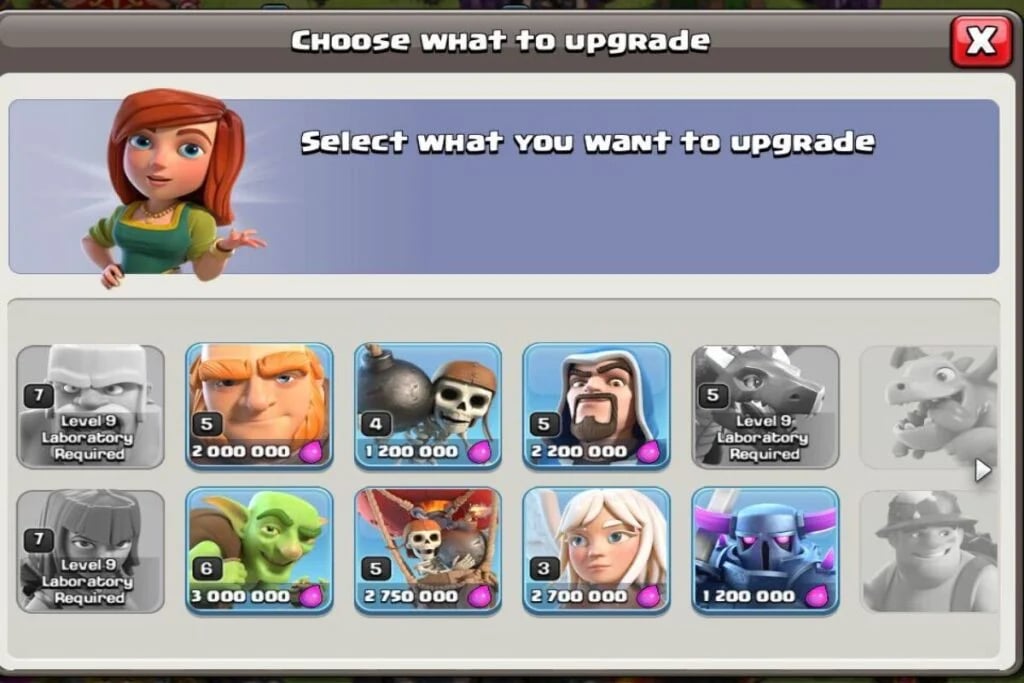
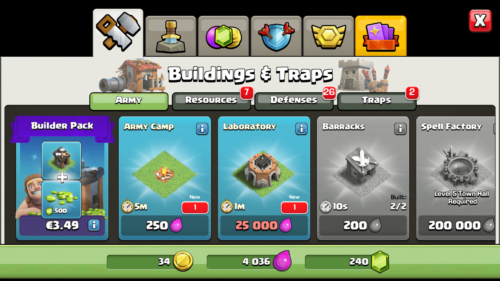
What players see today
- A long, mixed upgrade list
- Defensive buildings, traps, and special mechanics blended together
- No clear visual separation by function
To answer a simple question like:
“Have I fully upgraded my traps?”
A player often has to:
- Scroll
- Open multiple entries
- Rely on memory
That’s not strategic difficulty.
That’s cognitive overload.
How Confusing Upgrade Visibility Affects Gameplay
This UI issue isn’t cosmetic. It directly affects how people play.
1. Resource Inefficiency
Players frequently sit on:
- Full gold
- Full elixir
Not because they don’t want to upgrade—but because decision-making takes effort.
When choosing feels annoying, players delay it.
2. Builder Downtime or Suboptimal Use
Builders may:
- Stay idle longer than necessary
- Get assigned to low-impact upgrades
Not due to poor strategy, but because the full picture isn’t obvious.
3. Forgotten or Neglected Upgrades
Traps and special defenses are the biggest victims.
They:
- Don’t change visually much
- Aren’t top-of-mind
- Get postponed repeatedly
Until one day, players realize they’re several Town Hall levels behind.
At that point, fixing it feels painful instead of satisfying.
A Community UI Idea That Solves the Right Problem
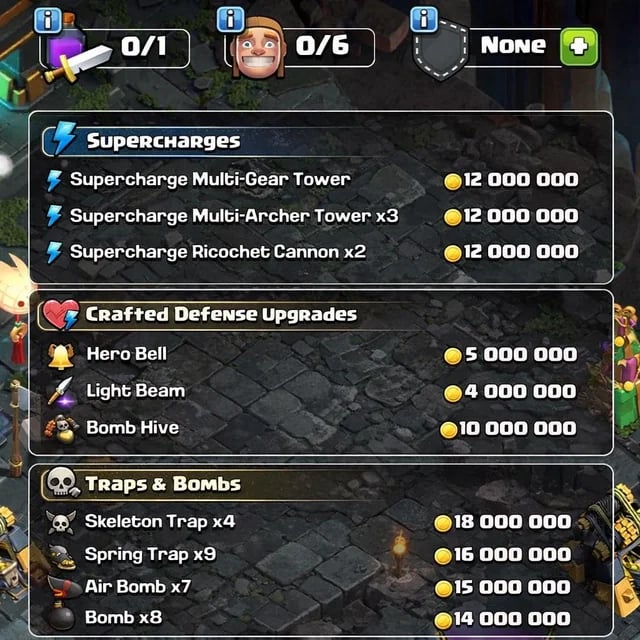
Recently, a community concept proposed a grouped upgrade screen.
Instead of one long mixed list, upgrades are separated into clear categories, such as:
- Supercharged / Special Defenses
- Crafted or Unique Defense Upgrades
- Traps & Bombs
What’s important here is not the exact layout.
The key idea is simple:
Group upgrades by function, not just by building type.
This changes how players think, not just what they see.
Why This UI Idea Actually Makes Sense
This concept works because it aligns with how players plan—not how data is stored.
Faster, Lower-Stress Decisions
At a glance, players can tell:
- Which upgrade categories are complete
- Which ones are lagging behind
No scrolling. No guessing.
Better Long-Term Planning
Instead of upgrading whatever appears first, players can:
- Balance offense, defense, and traps
- Set intentional priorities
- Plan builders more efficiently
Upgrading becomes a strategic process again, not a checklist hunt.
Reduced Mental Fatigue
When information is organized:
- Players open the upgrade screen more often
- Planning feels lighter
- Progress feels controlled
That matters in a game built around years, not days.
Who Benefits Most From a Smarter Upgrade Screen
This isn’t just a “late-game problem.”
Mid & Late Game Players
- Highest building count
- Most scattered upgrade types
- Biggest planning burden
They gain the most immediate clarity.
Returning Players
After months away, many players struggle to answer:
“Where was I in my upgrade path?”
A grouped UI gives them instant context.
Efficiency-Focused Players
Players who enjoy:
- Optimization
- Builder planning
- Resource management
benefit from reduced friction, not reduced challenge.
This Isn’t About Demanding Changes
It’s important to be clear:
- This isn’t a leak
- This isn’t a prediction
- This isn’t a demand
It’s an observation.
As a game grows more successful and content-rich, information organization becomes just as important as content itself.
Good UX doesn’t make a game easier.
It makes progress feel intentional.
Conclusion: Good Games Don’t Just Add Content — They Organize It
Clash of Clans doesn’t suffer from too many upgrades.
It suffers from too much information presented in one place, without structure.
A clearer upgrade screen wouldn’t:
- Speed up progression
- Remove challenge
- Break balance
It would simply remove unnecessary friction.
And sometimes, that’s all players are really asking for.
Clarity doesn’t make Clash of Clans easier — it makes progression feel meaningful again.