

Why Everyone Uses These Two Weapons in PUBG Mobile

Most PUBG Mobile players don’t choose the same weapons by accident. This article breaks down why consistency, flexibility, and reduced risk matter more than raw damage, and how understanding these patterns can help players make smarter long-term decisions—both in combat and progression.

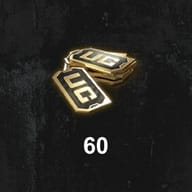
60 UC
$0.83
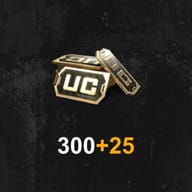
$0.99-$0.16300+25 UC
$4.07
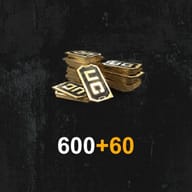
$4.99-$0.92600+60 UC
$8.15
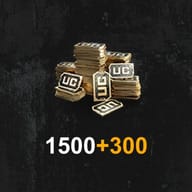
$9.99-$1.841500+300 UC
$20.39
$24.99-$4.6
If you’ve played PUBG Mobile for a while, you’ve probably noticed a familiar pattern.
No matter the map. No matter the mode. No matter the rank.
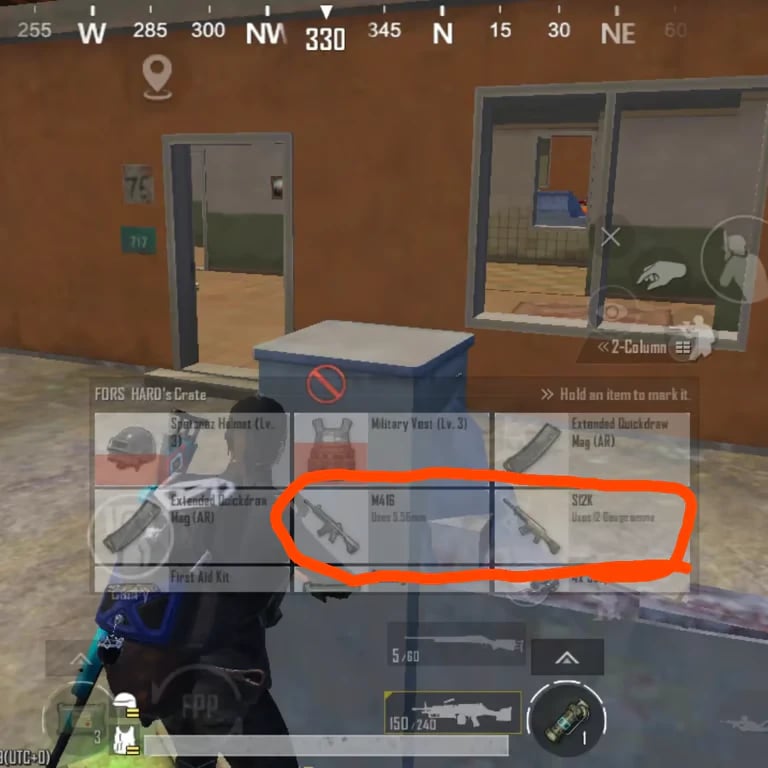
The same two weapons keep appearing—on teammates, in kill feeds, and in the final circles.
At first, it feels like coincidence. Then it starts to feel intentional. Eventually, most players ask the same question: Why does everyone use these two weapons?
This article isn’t here to tell you what you should use. It’s here to explain why this pattern exists, why it keeps repeating across skill levels, and what it actually means for your own gameplay decisions.
The Pattern Players Keep Running Into
Watch random squadmates. Spectate players in the late game. Review death replays after a close loss.
Again and again, the same weapon choices show up.
This isn’t because PUBG Mobile lacks variety. The game offers more viable weapons than many players give it credit for. The reason these two dominate has far less to do with raw damage—and far more to do with how real matches actually unfold.
The Obvious Explanation And Why It’s Not Enough
Most players explain this trend in simple terms:
-
“They’re easy to control.”
-
“They work at most ranges.”
-
“Attachments are easy to find.”
All of that is true. But it doesn’t explain why these weapons stay dominant across seasons, balance changes, and shifting metas.
Plenty of guns hit harder. Plenty look better on paper.
Yet those weapons rarely become the default choice for most players. So something else is at work.
The Real Reason: Consistency Beats Potential
In PUBG Mobile, most fights are decided quickly.
You rarely get perfect positioning.
You rarely have full attachments.
You rarely fight on your own terms.
The weapons players rely on most share one defining trait:
They deliver consistent results under imperfect conditions.
When your aim isn’t perfect. When recoil control slips. When a fight starts unexpectedly.
These weapons don’t punish small mistakes as severely as others do.
For most players—and even many experienced ones—that reliability matters more than peak damage or theoretical DPS.
Stability Wins More Fights Than Power
On paper, some weapons outperform the popular choices.
In actual matches, those same weapons often demand:
Cleaner recoil control
Better positioning
Tighter timing
Higher mechanical confidence
Miss a burst. Lose control for a moment. That’s often enough to lose the fight.
The most commonly used weapons reduce that risk. They allow players to focus on awareness, movement, and decision-making instead of constantly fighting recoil patterns.
Engagement Distance Explains a Lot
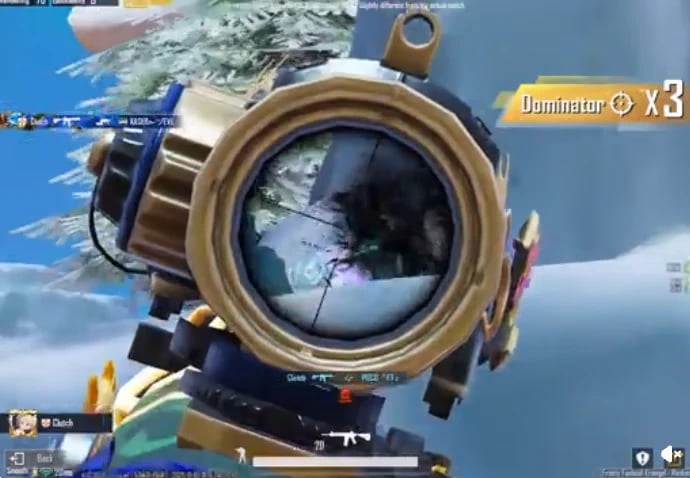
Despite large maps, most PUBG Mobile engagements happen at medium to close range—inside buildings, around cover, or during fast rotations.
The weapons players gravitate toward perform well across these distances without forcing a narrow playstyle.
They’re flexible. And for most players, flexibility produces better results than specialization.
The Meta Reinforces Itself
Once certain weapons become common, the cycle strengthens.
Guides focus on them
Tutorials teach them
Players practice with them
Squad expectations form around them
New players copy what they see. Returning players default to what feels familiar. Experienced players stick with what they trust under pressure.
Over time, these weapons become part of the game’s unspoken rules.
That doesn’t mean alternatives are bad—it explains why they struggle to replace what already feels safe and reliable.
Do You Have to Follow the Meta?
No.
But you do need to understand why the meta exists before ignoring it.
If you’re:
Still improving recoil control
Playing under inconsistent network conditions
Prioritizing steady performance over highlight plays
Then these weapons are popular for good reasons.
If you:
Specialize in a specific playstyle
Have strong mechanical confidence
Build intentionally around niche strengths
Then breaking away from the meta can absolutely work.
The mistake isn’t using different weapons. The mistake is doing so without understanding the trade-offs.
What This Means for Long-Term Progress
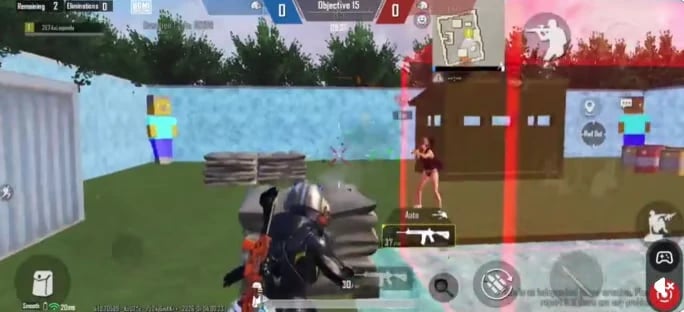
Many players don’t feel frustrated because they lose fights. They feel frustrated because their results feel inconsistent.
One match goes smoothly. The next feels completely out of control.
Weapon choice plays a larger role in this than most players realize.
Progress in PUBG Mobile isn’t about winning every fight. It’s about reducing unnecessary losses over time.
That’s why players who value efficiency, steady improvement, and long-term consistency tend to rely on the same dependable tools.
For many players, consistency isn’t only about weapon selection—it’s about reducing friction across the entire experience.
While skill and decision-making always matter most, some players manage progression more deliberately, especially when time is limited. In that context, options like a PUBG Mobile top up aren’t about chasing power, but about shortening unnecessary grind and keeping progress aligned with actual playtime.
Used carefully, it becomes another way to support steady improvement—much like choosing a reliable weapon instead of one that offers higher potential but greater risk.
Final Thoughts
The reason everyone uses the same two weapons in PUBG Mobile isn’t laziness.
It’s adaptation.
Players don’t choose them because they’re perfect. They choose them because they work most of the time, in most situations, with the least risk.
Once you understand that, weapon choice stops being a mystery—and becomes a deliberate decision.
Follow the meta if it fits your goals. Break away from it if you understand the cost. Either way, the real advantage comes from knowing why everyone else made their choice.