Why High-Skill Players Often Feel “Bored” in Free Fire
 Rowan Anderson


Many high-skill players feel bored in Free Fire not because the game is bad, but because mastery outpaces challenge. This article breaks down how predictability, progression limits, and low-risk gameplay reshape enjoyment at the top level.
On paper, it doesn’t make sense.
Free Fire is fast-paced, wildly popular, and constantly active.
So why do so many high-skill players eventually reach the same conclusion?
“I’m winning—but I’m bored.”
This isn’t about arrogance, burnout, or losing interest in gaming.
It’s about what happens when mastery outpaces the challenge a game is designed to provide.
When Mechanical Mastery Stops Demanding Attention
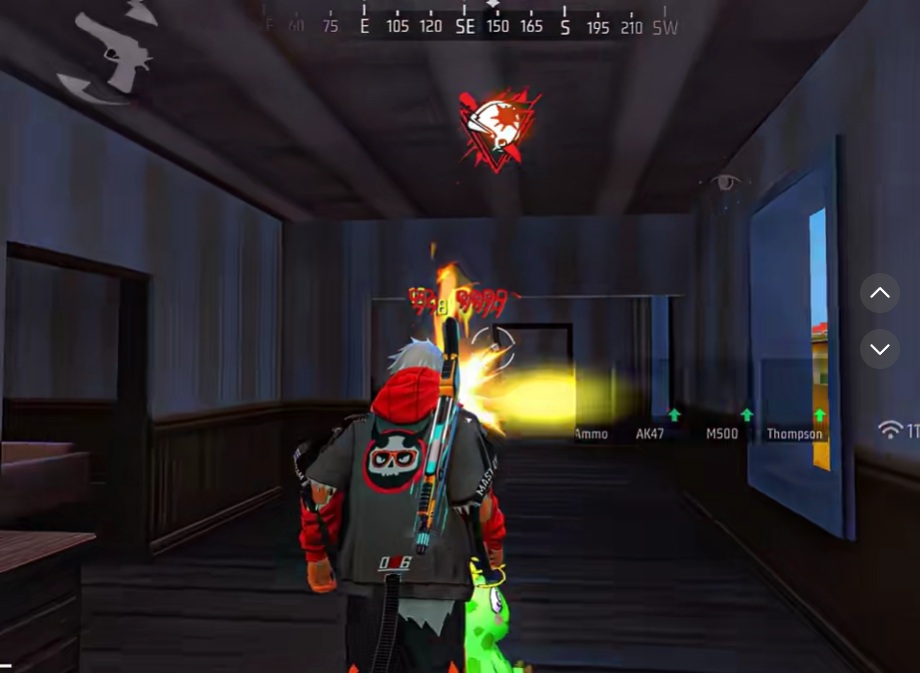
Free Fire is built around accessibility. Short matches, simplified inputs, and forgiving mechanics let players reach competence quickly—and that’s one of its greatest strengths.
But for highly skilled players, that same philosophy creates a ceiling.
Once you’ve internalized:
The limits of Free Fire’s aiming mechanics
Close-range engagement patterns
Common movement paths and cover behavior
Most public encounters stop requiring focus.
You’re not adapting—you’re executing.
At that point, winning no longer feels earned. It feels inevitable.
And inevitability is the enemy of engagement.
Predictability Drains Tension from Every Fight
High-level enjoyment in competitive games comes from uncertainty—the feeling that any small mistake could flip the outcome.
For experienced Free Fire players, that uncertainty fades quickly.
They begin to notice that:
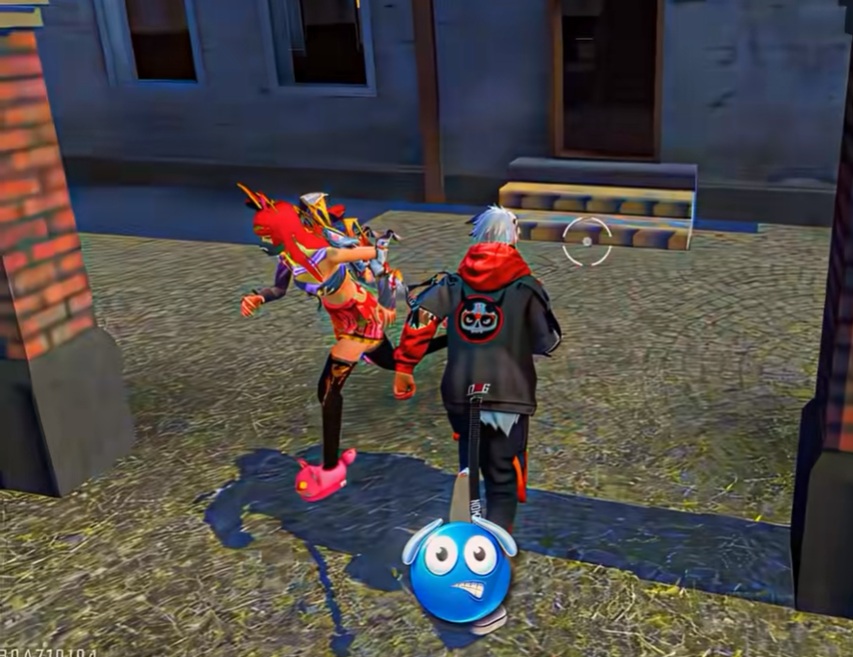
Enemy positioning follows familiar patterns
Engagement timing repeats match after match
Late-game scenarios resolve in nearly identical ways
When outcomes become predictable, tension disappears.
You’re no longer reacting under pressure.
You’re following a mental flowchart you’ve already memorized.
A Wide Skill Gap Creates the Wrong Kind of Advantage
Free Fire’s massive global player base is both its strength and its limitation.
Because most lobbies include:
New or returning players
Casual mobile users
Low-frequency competitors
High-skill players are often mismatched by default.
Instead of being challenged, they’re forced into one of two unsatisfying roles:
Dominating without resistance
Intentionally holding back to avoid ending matches too quickly
Neither creates meaningful engagement.
Overpowering opponents isn’t competition—it’s repetition.
When Progression Stops Changing How the Game Feels
Early on, progression systems work exactly as intended.
New unlocks matter. Growth feels tangible. Power gains change how you play.
For top-tier players, that loop eventually breaks.
Numbers go up—but gameplay stays the same.
Rewards accumulate—but decision-making doesn’t evolve.
Progression becomes symbolic rather than transformative.
Even systems like free fire top up, which can speed up unlocks and rewards, stop adding meaningful depth at this stage. They accelerate progress—but they don’t introduce new decisions, new risks, or new ways to play.
You’re no longer unlocking new possibilities.
You’re just confirming that you’ve already solved the system.
The Missing Ingredient: Real Consequences
What keeps expert players invested isn’t speed or volume—it’s pressure.
Pressure comes from:
Mistakes being costly
Bad reads being punished
Margins being razor-thin
Free Fire intentionally softens punishment. That’s great for accessibility—but it lowers risk density.
For high-skill players, low risk equals low adrenaline.
And without adrenaline, even constant action starts to feel hollow.
Why “Boredom” Is Actually a Marker of Mastery
When experienced players say Free Fire feels boring, they aren’t dismissing the game.
They’re identifying a shift:
The game no longer asks difficult questions
Their decisions aren’t being meaningfully tested
Their skill isn’t under threat
Boredom isn’t a complaint—it’s a signal.
It means the player has moved beyond the challenge curve the game was built around.
Final Thoughts
Free Fire isn’t boring by accident.
It’s consistent, accessible, and predictable—by design.
For most players, that’s exactly why it works.
But for high-skill players, enjoyment doesn’t come from winning.
It comes from almost losing.
And when that feeling disappears, boredom naturally takes its place.
Not because the game failed.
But because mastery changed what “fun” means.

- 100+10 Diamonds$0.82-$0.15$0.97
- 310+31 Diamonds$2.46-$0.43$2.9
- 520+52 Diamonds$4.11-$0.73$4.84
- 1060+106 Diamonds$7.81-$1.38$9.19
- 2180+218 Diamonds$15.56-$2.75$18.31
- 5600+560 Diamonds$39.09-$6.9$45.99
- Weekly Membership$1.79-$0.32$2.11
- Monthly Membership$8.61-$1.52$10.13
- Booyah Pass card$3.18-$0.56$3.74
- Weekly Lite$0.42-$0.07$0.5
- Jovial Symphony King Bundle$4.56-$0.8$5.36
- Queen Joyful Melody Bundle$4.56-$0.8$5.36