";inherits:false;initial-value:#0000}@property --tw-gradient-via{syntax:"";inherits:false;initial-value:#0000}@property --tw-gradient-to{syntax:"";inherits:false;initial-value:#0000}@property --tw-gradient-stops{syntax:"*";inherits:false}@property --tw-gradient-via-stops{syntax:"*";inherits:false}@property --tw-gradient-from-position{syntax:"";inherits:false;initial-value:0}@property --tw-gradient-via-position{syntax:"";inherits:false;initial-value:50%}@property --tw-gradient-to-position{syntax:"";inherits:false;initial-value:100%}@property --tw-leading{syntax:"*";inherits:false}@property --tw-font-weight{syntax:"*";inherits:false}@property --tw-shadow{syntax:"*";inherits:false;initial-value:0 0 #0000}@property --tw-shadow-color{syntax:"*";inherits:false}@property --tw-shadow-alpha{syntax:"";inherits:false;initial-value:100%}@property --tw-inset-shadow{syntax:"*";inherits:false;initial-value:0 0 #0000}@property --tw-inset-shadow-color{syntax:"*";inherits:false}@property --tw-inset-shadow-alpha{syntax:"";inherits:false;initial-value:100%}@property --tw-ring-color{syntax:"*";inherits:false}@property --tw-ring-shadow{syntax:"*";inherits:false;initial-value:0 0 #0000}@property --tw-inset-ring-color{syntax:"*";inherits:false}@property --tw-inset-ring-shadow{syntax:"*";inherits:false;initial-value:0 0 #0000}@property --tw-ring-inset{syntax:"*";inherits:false}@property --tw-ring-offset-width{syntax:"";inherits:false;initial-value:0}@property --tw-ring-offset-color{syntax:"*";inherits:false;initial-value:#fff}@property --tw-ring-offset-shadow{syntax:"*";inherits:false;initial-value:0 0 #0000}@property --tw-outline-style{syntax:"*";inherits:false;initial-value:solid}@property --tw-blur{syntax:"*";inherits:false}@property --tw-brightness{syntax:"*";inherits:false}@property --tw-contrast{syntax:"*";inherits:false}@property --tw-grayscale{syntax:"*";inherits:false}@property --tw-hue-rotate{syntax:"*";inherits:false}@property --tw-invert{syntax:"*";inherits:false}@property --tw-opacity{syntax:"*";inherits:false}@property --tw-saturate{syntax:"*";inherits:false}@property --tw-sepia{syntax:"*";inherits:false}@property --tw-drop-shadow{syntax:"*";inherits:false}@property --tw-drop-shadow-color{syntax:"*";inherits:false}@property --tw-drop-shadow-alpha{syntax:"";inherits:false;initial-value:100%}@property --tw-drop-shadow-size{syntax:"*";inherits:false}@property --tw-backdrop-blur{syntax:"*";inherits:false}@property --tw-backdrop-brightness{syntax:"*";inherits:false}@property --tw-backdrop-contrast{syntax:"*";inherits:false}@property --tw-backdrop-grayscale{syntax:"*";inherits:false}@property --tw-backdrop-hue-rotate{syntax:"*";inherits:false}@property --tw-backdrop-invert{syntax:"*";inherits:false}@property --tw-backdrop-opacity{syntax:"*";inherits:false}@property --tw-backdrop-saturate{syntax:"*";inherits:false}@property --tw-backdrop-sepia{syntax:"*";inherits:false}@property --tw-duration{syntax:"*";inherits:false}@property --tw-ease{syntax:"*";inherits:false}@property --tw-scale-x{syntax:"*";inherits:false;initial-value:1}@property --tw-scale-y{syntax:"*";inherits:false;initial-value:1}@property --tw-scale-z{syntax:"*";inherits:false;initial-value:1}@keyframes pulse{50%{opacity:.5}}
keygold logo
中文繁體
登入 / 註冊
keygold invite coupon新註冊用戶專享註冊領取優惠券
主站keygold arrow-right網誌keygold arrow-right危機合約回歸:低練度玩家也能通關高風險內容的核心思路
keygold search

危機合約回歸:低練度玩家也能通關高風險內容的核心思路
keygold blog author黄允之
2026/01/23
keygold facebook sharekeygold reddit sharekeygold twitter sharekeygold whatsapp share
keygold link

在《明日方舟》中,危機合約從來不是一個只看數值的玩法。從它首次登場開始,這個高難度模式就被設計成一個用來考驗博士是否真正理解關卡意圖、風險(Risk)設計,以及幹員定位的試煉——而這些往往比幹員等級高低更加重要。

許多通關失敗,並不是因為輸出不夠。
而是因為玩家「看錯了」合約本身想傳達的訊息。

這篇文章將從危機合約的設計邏輯出發,說明低練度玩家如何在不依賴滿練陣容、也不需要過度投入的情況下,依然穩定攻略高風險內容。
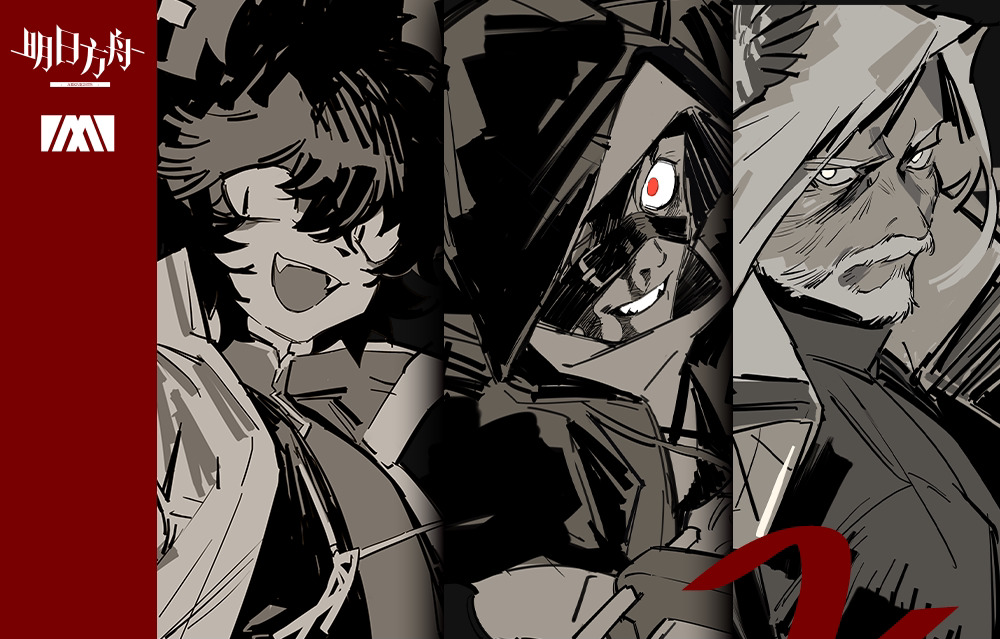
arknights-feature.jpg

為什麼危機合約常讓人覺得「看不懂」

對危機合約最常見的誤解之一,就是把它當成純粹的 DPS 或陣容檢測。事實上,多數失敗並非數值不足,而是沒有理解風險條件真正「想讓你怎麼打」。

常見誤判包括:

看到「敵方攻擊力 +80%」就立刻堆滿醫療幹員
出現「禁止部署近戰/高台」就直接放棄
過度依賴六星幹員,卻忽略地圖結構與路線設計

危機合約並不是要你硬碰硬地輾過關卡。
它真正要求的是——解決一個被刻意限制條件的戰術問題

核心設計原則:
風險條件會刻意移除常見解法,迫使玩家改用特定類型的思路。

一旦理解這一點,危機合約的難度會明顯下降,即使是練度有限的博士也能應對。

低練度通關的三個核心原則

1. 先看「被限制了什麼」,而不是「被強化了什麼」

強化條件描述的是壓力來源,
限制條件才是真正的解題提示。

例如:

禁止高台部署 → 關卡一定存在可利用的地形、拉扯路線或時間窗
阻擋數量降低或禁止阻擋 → 敵人應該透過技能、位移或節奏控制來處理

如果某種手段被禁止,往往代表官方已經設計好「不靠它也能通關」的解法。

2. 用「功能型幹員」取代「數值型幹員」

對低練度隊伍來說,功能性往往比面板數值更重要。

特別高價值的功能包括:

減速
位移(拉/推)
控制效果
技能打斷

這類幹員的價值來自「機制」,而不是等級。
一個時機精準的低等控制技能,往往比胡亂使用的高等輸出更有效。

這也是為什麼危機合約並不需要不斷依賴 明日方舟儲值 來維持競爭力——理解機制,往往比單純投入資源更有回報。

3. 操作時軸,比練度更重要

在許多高風險通關實錄中,你會發現:

幹員等級並不誇張
技能專精並未全滿
但技能開啟時機極其精準

早開 2 秒,或晚開 3 秒,常常就是崩盤的真正原因。

危機合約真正獎勵的是:

冷卻時間的掌握
敵人波次的理解
有意識的技能銜接

而不是單純的暴力輸出。
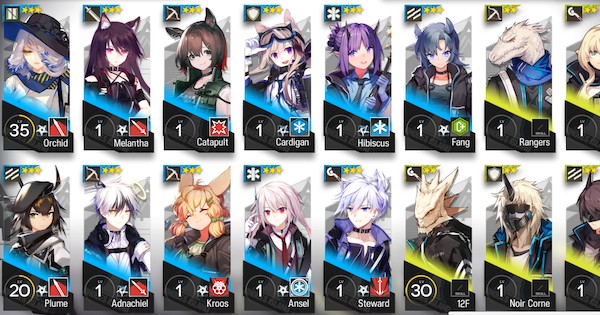
14945.jpg

低門檻、高泛用性的隊伍組件

對多數低練度通關來說,建議至少準備:

至少 1 名穩定的減速來源
至少 1 個可中斷或限制敵人的技能
至少 1 名「單點爆發型」幹員,而非持續輸出

這些組件在不同期數、不同風險組合中,都具備高度泛用性。

總結

危機合約不是數值檢查。
它是一場閱讀關卡意圖的考試

如果你卡關,問題通常不是:

「我的幹員不夠強」

而更可能是:

你正在解錯題目
你在錯誤的時間使用了正確的幹員
或是忽略了合約刻意拿走的選項

當你開始把風險條件視為「設計提示」而非「懲罰」,
危機合約自然會變得清晰許多——即使資源有限,也依然能穩定前進。

而這,正是這個模式本來就希望玩家體驗到的玩法本質。

Arknights
任意 49.99 禮包
$36.97
-$13.02