";inherits:false;initial-value:#0000}@property --tw-gradient-via{syntax:"";inherits:false;initial-value:#0000}@property --tw-gradient-to{syntax:"";inherits:false;initial-value:#0000}@property --tw-gradient-stops{syntax:"*";inherits:false}@property --tw-gradient-via-stops{syntax:"*";inherits:false}@property --tw-gradient-from-position{syntax:"";inherits:false;initial-value:0}@property --tw-gradient-via-position{syntax:"";inherits:false;initial-value:50%}@property --tw-gradient-to-position{syntax:"";inherits:false;initial-value:100%}@property --tw-leading{syntax:"*";inherits:false}@property --tw-font-weight{syntax:"*";inherits:false}@property --tw-shadow{syntax:"*";inherits:false;initial-value:0 0 #0000}@property --tw-shadow-color{syntax:"*";inherits:false}@property --tw-shadow-alpha{syntax:"";inherits:false;initial-value:100%}@property --tw-inset-shadow{syntax:"*";inherits:false;initial-value:0 0 #0000}@property --tw-inset-shadow-color{syntax:"*";inherits:false}@property --tw-inset-shadow-alpha{syntax:"";inherits:false;initial-value:100%}@property --tw-ring-color{syntax:"*";inherits:false}@property --tw-ring-shadow{syntax:"*";inherits:false;initial-value:0 0 #0000}@property --tw-inset-ring-color{syntax:"*";inherits:false}@property --tw-inset-ring-shadow{syntax:"*";inherits:false;initial-value:0 0 #0000}@property --tw-ring-inset{syntax:"*";inherits:false}@property --tw-ring-offset-width{syntax:"";inherits:false;initial-value:0}@property --tw-ring-offset-color{syntax:"*";inherits:false;initial-value:#fff}@property --tw-ring-offset-shadow{syntax:"*";inherits:false;initial-value:0 0 #0000}@property --tw-outline-style{syntax:"*";inherits:false;initial-value:solid}@property --tw-blur{syntax:"*";inherits:false}@property --tw-brightness{syntax:"*";inherits:false}@property --tw-contrast{syntax:"*";inherits:false}@property --tw-grayscale{syntax:"*";inherits:false}@property --tw-hue-rotate{syntax:"*";inherits:false}@property --tw-invert{syntax:"*";inherits:false}@property --tw-opacity{syntax:"*";inherits:false}@property --tw-saturate{syntax:"*";inherits:false}@property --tw-sepia{syntax:"*";inherits:false}@property --tw-drop-shadow{syntax:"*";inherits:false}@property --tw-drop-shadow-color{syntax:"*";inherits:false}@property --tw-drop-shadow-alpha{syntax:"";inherits:false;initial-value:100%}@property --tw-drop-shadow-size{syntax:"*";inherits:false}@property --tw-backdrop-blur{syntax:"*";inherits:false}@property --tw-backdrop-brightness{syntax:"*";inherits:false}@property --tw-backdrop-contrast{syntax:"*";inherits:false}@property --tw-backdrop-grayscale{syntax:"*";inherits:false}@property --tw-backdrop-hue-rotate{syntax:"*";inherits:false}@property --tw-backdrop-invert{syntax:"*";inherits:false}@property --tw-backdrop-opacity{syntax:"*";inherits:false}@property --tw-backdrop-saturate{syntax:"*";inherits:false}@property --tw-backdrop-sepia{syntax:"*";inherits:false}@property --tw-duration{syntax:"*";inherits:false}@property --tw-ease{syntax:"*";inherits:false}@property --tw-scale-x{syntax:"*";inherits:false;initial-value:1}@property --tw-scale-y{syntax:"*";inherits:false;initial-value:1}@property --tw-scale-z{syntax:"*";inherits:false;initial-value:1}@keyframes pulse{50%{opacity:.5}}
keygold logo
中文繁體
登入 / 註冊
keygold invite coupon新註冊用戶專享註冊領取優惠券
主站keygold arrow-right網誌keygold arrow-right是否需要《明日方舟》經驗,才能遊玩《明日方舟:終末地》?
keygold search

是否需要《明日方舟》經驗,才能遊玩《明日方舟:終末地》?

keygold blog author吴拾安
2026/01/23
keygold facebook sharekeygold reddit sharekeygold twitter sharekeygold whatsapp share
keygold link

隨著《明日方舟:終末地》逐漸受到原作玩家圈以外的關注,一個問題反覆出現在潛在玩家之間:

是否一定要有《明日方舟》的遊玩經驗,才能理解或享受《明日方舟:終末地》?

簡短的答案是:不需要。
更實際的答案則是:取決於你在遊戲中想要的是什麼。

《明日方舟:終末地》確實與《明日方舟》處於同一世界觀之下,但它並不是為老玩家量身打造的延伸作。以下將從玩法、劇情與投入門檻三個層面,拆解「是否需要原作經驗」這個問題,區分想像與現實。
1.webp

一、《明日方舟:終末地》是衍生作品,而非機制續作

儘管共享名稱與世界觀,《明日方舟:終末地》的玩法結構與《明日方舟》幾乎完全不同。

《明日方舟》是一款 2D 關卡制塔防遊戲
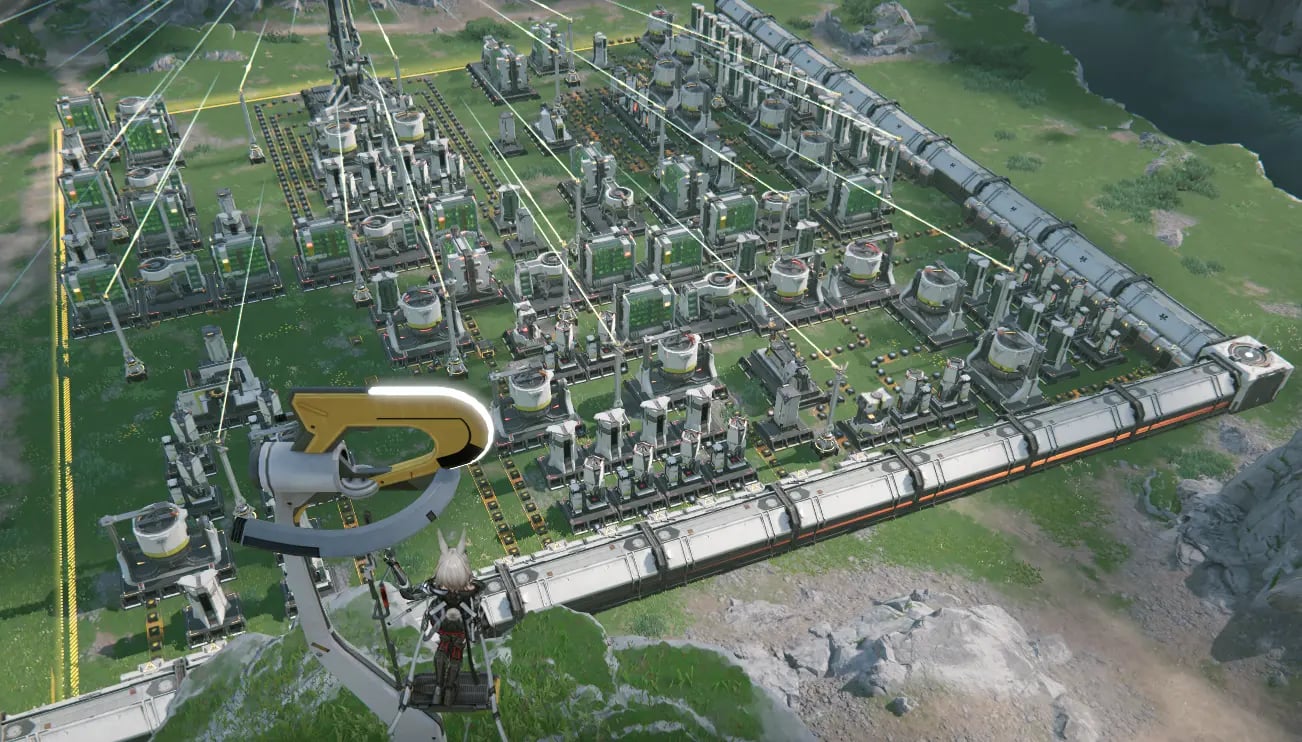
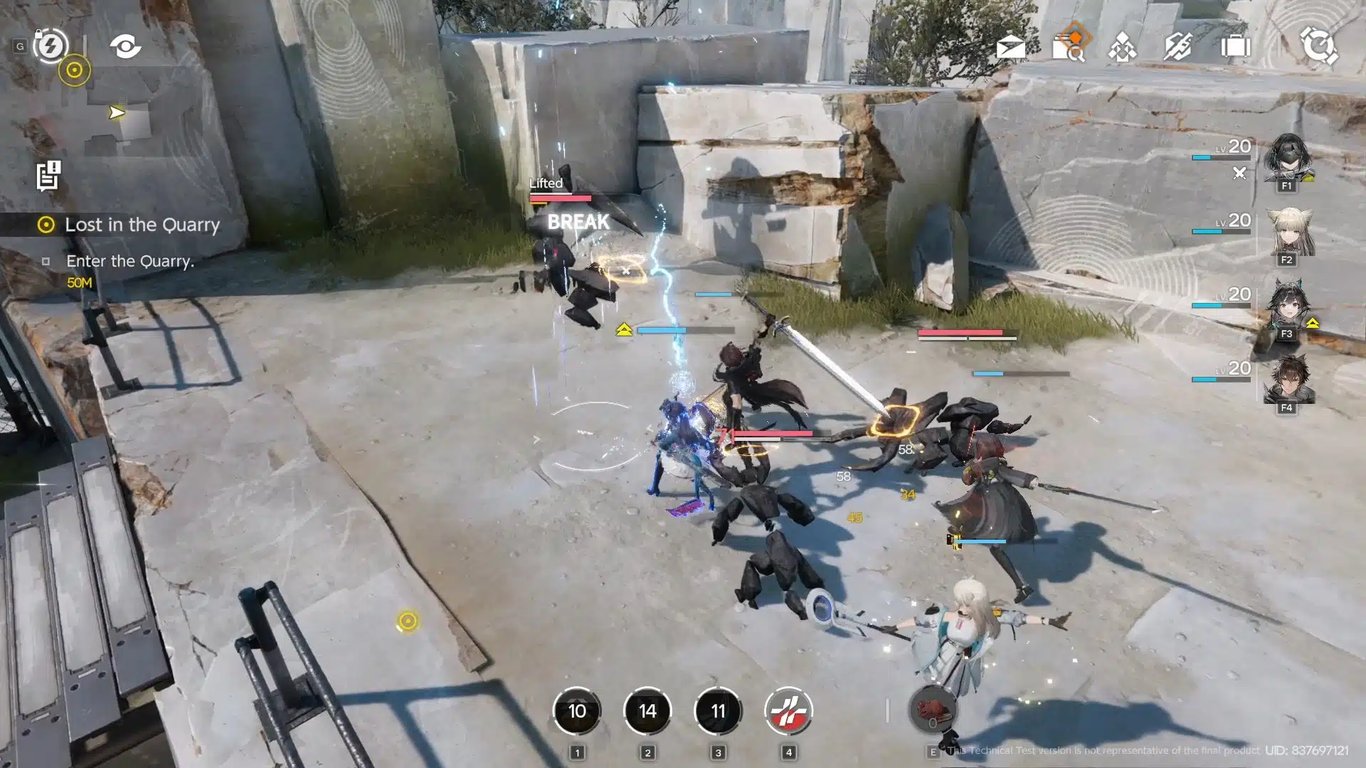
而《明日方舟:終末地》則是 3D 動作 RPG,融合了基地建設、自動化系統與即時戰鬥

遊戲並不假設你了解原作中的幹員部署、塔防節奏或職業定位。《明日方舟:終末地》會從零開始教學所有核心系統。

這代表一件很關鍵的事:
是否玩過《明日方舟》,並不會在《明日方舟:終末地》中帶來機制上的優勢。

甚至對部分從未適應塔防玩法的玩家而言,《明日方舟:終末地》反而因為捨棄了塔防形式,而變得更容易上手。

二、劇情與世界觀:熟悉度增加風味,而非理解門檻

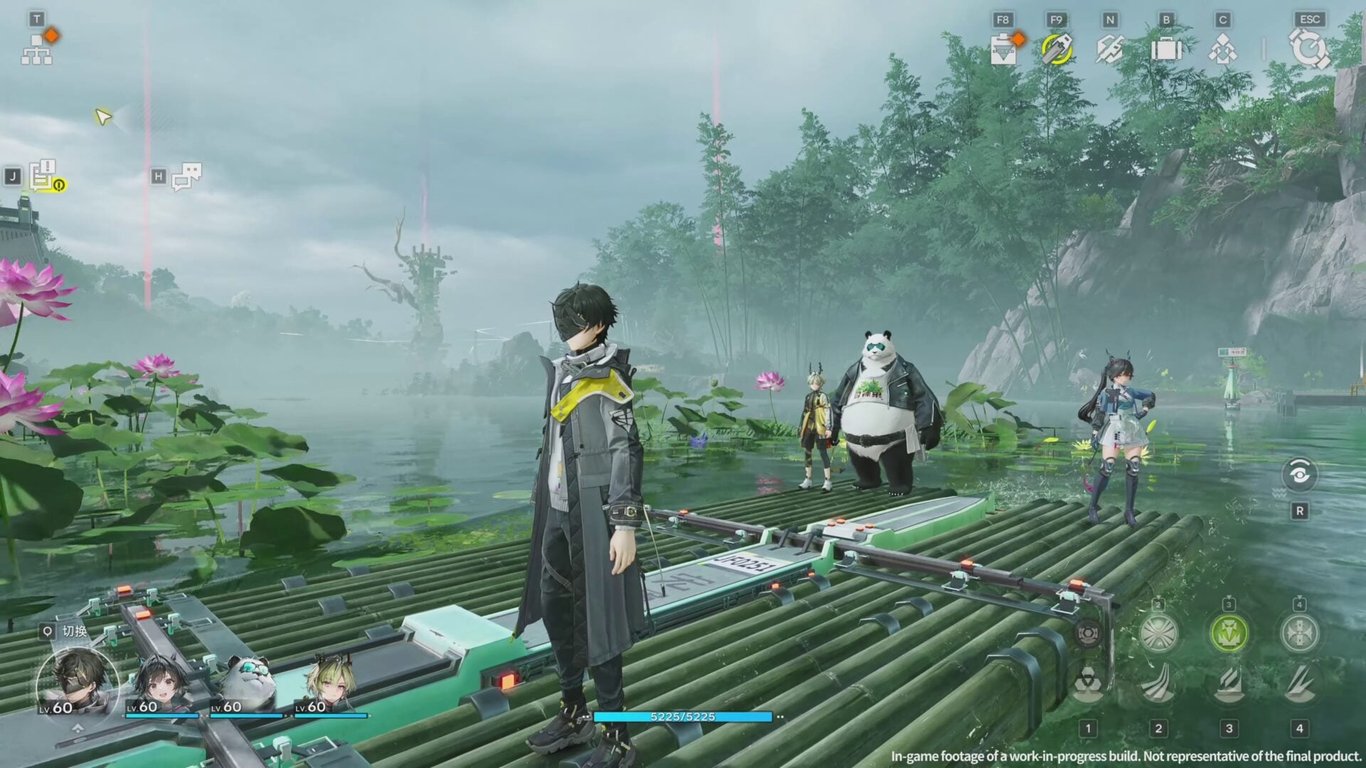
《明日方舟:終末地》的故事發生在同一宇宙,但敘事本身是完整且獨立的,全新角色、地區與衝突構成主要內容。

老玩家可能會辨識出:

既有陣營或名詞
源自泰拉世界觀的設定概念
對過往事件的細節呼應

但遊戲敘事並不依賴這些背景知識。重要概念都會在情境中清楚說明,關鍵名詞也有完整鋪陳。

對新玩家來說,更像是踏入一個已經運作中的科幻世界,而不是被丟進未完結故事的中段。你或許會錯過彩蛋,但不會看不懂劇情。

原作經驗帶來的是層次感,而不是理解門檻。

三、真正的門檻在於系統深度,而非系列背景

《明日方舟:終末地》對新手真正構成挑戰的地方,並不是世界觀,而是系統複雜度。

初期最常見的困惑包括:

基地建設與空間規劃
資源流程與自動化效率
即時戰鬥中的小隊配置與技能互動

這些學習曲線對所有玩家都是一樣的。因為這些系統在《明日方舟》中根本不存在,老玩家也無法「直接繼承」理解。

換句話說,《明日方舟:終末地》在這方面是完全公平的。
所有人都必須重新學習。
2.webp

四、時間、投入與課金期待

很多人詢問是否需要原作經驗,實際上是在擔心另一件事:

這是不是一款一開始就要求長期投入的遊戲?

《明日方舟:終末地》的前期節奏刻意設計得相對寬鬆,玩家可以自由嘗試系統、角色與玩法步調,而不會被迫立刻最佳化或投入資源。

只有在玩家確定遊戲風格適合自己之後,才會開始考慮長期經營。到了那個階段,有些人可能會評估像 明日方舟:終末地 儲值 這類選項,但那始終是選擇,而非必要,更不是前期推動的核心。

遊戲的引導設計,重點在於「先體驗,再決定」。

五、哪些玩家可以放心直接入坑?

如果你符合以下條件,可以毫不猶豫地開始遊玩《明日方舟:終末地》:

第一次接觸《明日方舟》系列
對基地建設、自動化或小隊制 RPG 戰鬥有興趣
願意花時間理解層層交疊的系統設計

而原作經驗主要對以下玩家加分:

重視世界觀連結與時間線細節
喜歡深入挖掘設定與背景脈絡

兩者都不是必要條件,遊戲本身同時容納這兩類玩家。
3.jpg

結論:不需要任何「功課」

《明日方舟:終末地》並不考驗你對系列的熟悉程度,而是考驗你是否願意投入理解它的系統。

你不需要《明日方舟》經驗,也能:

理解玩法
跟上劇情
判斷這款遊戲是否值得你繼續投入時間

真正需要的,是耐心、好奇心,以及對漸進式成長的接受度。

如果這些特質對你來說並不陌生,那麼《明日方舟:終末地》完全能作為你踏入這個宇宙的第一步。

明日方舟:終末地
194+48 開採衍質源石
$51.16
-$18.83