";inherits:false;initial-value:#0000}@property --tw-gradient-via{syntax:"";inherits:false;initial-value:#0000}@property --tw-gradient-to{syntax:"";inherits:false;initial-value:#0000}@property --tw-gradient-stops{syntax:"*";inherits:false}@property --tw-gradient-via-stops{syntax:"*";inherits:false}@property --tw-gradient-from-position{syntax:"";inherits:false;initial-value:0}@property --tw-gradient-via-position{syntax:"";inherits:false;initial-value:50%}@property --tw-gradient-to-position{syntax:"";inherits:false;initial-value:100%}@property --tw-leading{syntax:"*";inherits:false}@property --tw-font-weight{syntax:"*";inherits:false}@property --tw-shadow{syntax:"*";inherits:false;initial-value:0 0 #0000}@property --tw-shadow-color{syntax:"*";inherits:false}@property --tw-shadow-alpha{syntax:"";inherits:false;initial-value:100%}@property --tw-inset-shadow{syntax:"*";inherits:false;initial-value:0 0 #0000}@property --tw-inset-shadow-color{syntax:"*";inherits:false}@property --tw-inset-shadow-alpha{syntax:"";inherits:false;initial-value:100%}@property --tw-ring-color{syntax:"*";inherits:false}@property --tw-ring-shadow{syntax:"*";inherits:false;initial-value:0 0 #0000}@property --tw-inset-ring-color{syntax:"*";inherits:false}@property --tw-inset-ring-shadow{syntax:"*";inherits:false;initial-value:0 0 #0000}@property --tw-ring-inset{syntax:"*";inherits:false}@property --tw-ring-offset-width{syntax:"";inherits:false;initial-value:0}@property --tw-ring-offset-color{syntax:"*";inherits:false;initial-value:#fff}@property --tw-ring-offset-shadow{syntax:"*";inherits:false;initial-value:0 0 #0000}@property --tw-outline-style{syntax:"*";inherits:false;initial-value:solid}@property --tw-blur{syntax:"*";inherits:false}@property --tw-brightness{syntax:"*";inherits:false}@property --tw-contrast{syntax:"*";inherits:false}@property --tw-grayscale{syntax:"*";inherits:false}@property --tw-hue-rotate{syntax:"*";inherits:false}@property --tw-invert{syntax:"*";inherits:false}@property --tw-opacity{syntax:"*";inherits:false}@property --tw-saturate{syntax:"*";inherits:false}@property --tw-sepia{syntax:"*";inherits:false}@property --tw-drop-shadow{syntax:"*";inherits:false}@property --tw-drop-shadow-color{syntax:"*";inherits:false}@property --tw-drop-shadow-alpha{syntax:"";inherits:false;initial-value:100%}@property --tw-drop-shadow-size{syntax:"*";inherits:false}@property --tw-backdrop-blur{syntax:"*";inherits:false}@property --tw-backdrop-brightness{syntax:"*";inherits:false}@property --tw-backdrop-contrast{syntax:"*";inherits:false}@property --tw-backdrop-grayscale{syntax:"*";inherits:false}@property --tw-backdrop-hue-rotate{syntax:"*";inherits:false}@property --tw-backdrop-invert{syntax:"*";inherits:false}@property --tw-backdrop-opacity{syntax:"*";inherits:false}@property --tw-backdrop-saturate{syntax:"*";inherits:false}@property --tw-backdrop-sepia{syntax:"*";inherits:false}@property --tw-duration{syntax:"*";inherits:false}@property --tw-ease{syntax:"*";inherits:false}@property --tw-scale-x{syntax:"*";inherits:false;initial-value:1}@property --tw-scale-y{syntax:"*";inherits:false;initial-value:1}@property --tw-scale-z{syntax:"*";inherits:false;initial-value:1}@keyframes pulse{50%{opacity:.5}}
中文繁體
登入 / 註冊
keygold invite coupon新註冊用戶專享註冊領取優惠券
keygold home主站keygold arrow-right網誌keygold arrow-right最後的戰爭 中期卡關解析:你無法靠刷資源彌補的戰力差距
keygold search

最後的戰爭 中期卡關解析:你無法靠刷資源彌補的戰力差距

keygold blog author吴拾安
2026/01/21
keygold facebook sharekeygold reddit sharekeygold twitter sharekeygold whatsapp share
keygold link

如果你玩《最後的戰爭》夠久,一定遇過那個時刻。

你每天都有登入。
基地持續升級。
行軍不停在跑。
活躍度一點也沒掉。

從表面看,你一切都做對了。

但不知從什麼時候開始,你和頂尖玩家之間的差距不但沒有縮小,反而越拉越大。

這不是倦怠。
不是運氣差。
也不是你突然不會玩了。

你真正撞上的,是中期之牆——《最後的戰爭》悄悄從「線性成長遊戲」轉變為「結構型權力遊戲」的分水嶺。

一旦到了這裡,單靠刷資源,已經不可能再突破。

0.jpg

中期之牆不是變難,而是結構變了

多數玩家會以為,中期變慢只是因為「遊戲變難了」。

其實不完全是這樣。

《最後的戰爭》的前期,是標準的線性回報設計:

投入更多時間 → 成長更多
活躍度越高 → 回饋越明顯
刷得越勤 → 戰力越有競爭力

只要大家站在同一條坡道上往上爬,努力看起來就很公平。

但進入中期後,規則變了。

從這一刻起,成長不再是線性的。
兩個玩家付出一樣的時間與精力,結果卻可能完全不同。

原因在於,進度開始取決於你身處遊戲權力結構的哪個位置,而不只是你玩了多久。

這個結構主要由三個層面組成:

帳號累積動能
聯盟站位與資源
伺服器成熟度

只要其中一項沒有對齊,你的刷資源行為就會從「推進成長」,變成單純的「維持現狀」。

你還在動。
但你沒有往前。

為什麼刷資源不再能縮小差距

在前期,刷資源之所以有效,是因為所有人的天花板差不多。

但到了中期,這些天花板開始悄悄分裂。

頂尖玩家之所以更強,不只是因為他們刷得更多,而是因為他們跨過了單靠資源無法抵達的門檻

真正改變的地方,往往不那麼明顯。

這些門檻包含:

永久性屬性加成
關鍵系統的提前解鎖
來自聯盟的長期增益
活動疊加帶來的累積優勢

當這些層次一旦啟動,刷資源就不再產生動能,只是在延緩下滑。

這也是為什麼那麼多玩家都有同樣的感覺:

「我不是一下子落後的,
我只是慢慢追不上了。」

那個「怎麼追都追不回來」的瞬間,就是中期之牆。

努力平等的假象

中期之牆最折磨人的地方,在於它看起來仍然很公平。

你依然在:

完成每日任務
參加活動
持續升級建築

但努力已經不再被等量回報。

在這個階段,兩個玩家做一模一樣的事、花一樣的時間,得到的結果卻可能天差地遠。

不是因為誰比較會玩。
而是因為其中一個人的努力,正在被既有系統放大。

問題不在於你做得不夠。

而是遊戲正在加速別人的成長,卻讓你停在原地。

遊戲不會告訴你這個轉折點何時發生。
它只是假設你會自己察覺——否則就被甩開。

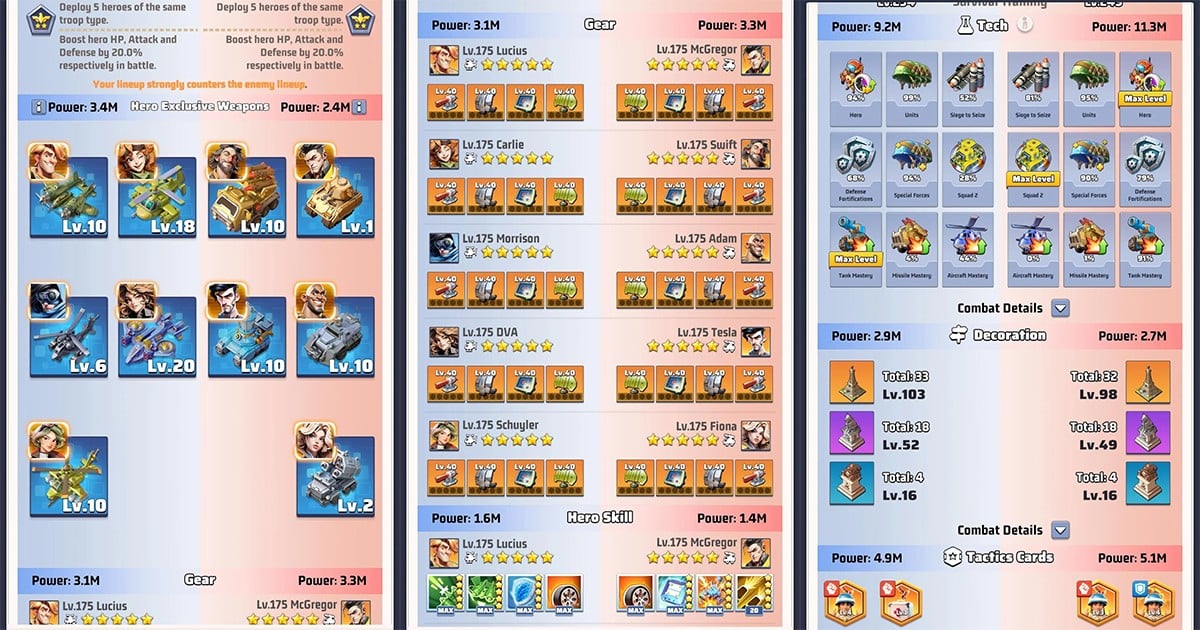
戰力差距在你看見之前就已經定型

等到排行榜上的差距變得一清二楚時,事實上已經來不及了。

不是因為某一次課金。
不是因為某一場活動。
也不是因為某一個錯誤選擇。

而是來自前期一連串複利式的對齊

在聯盟加成放大之前,就站對了聯盟
在伺服器節奏放緩前,完成了關鍵解鎖
在系統還寬鬆時,疊加了優勢

到了後期,即便是有計畫的投入——包含精準時機的 最後的戰爭儲值——也只能在原本的層級內優化。

它無法把你送進另一個層級。

這是中期玩家最難接受的事實:

錯過的階段,無法靠刷資源補回來。

為什麼中期之牆會摧毀動力

多數玩家不是因為輸了戰鬥而退坑。

而是因為遊戲不再回答一個最基本的心理問題:

「如果我再努力一點,真的有用嗎?」

在中期之牆,這個答案開始變得模糊。

勝利變得有條件。
失敗看起來像必然。
成長只剩表面數字。

於是,一個無聲的流失循環開始了:

登入時間變晚
跳過一次活動
錯過一次協調
再稍微落後一點

等玩家意識到發生了什麼,往往已經過了「努力還有感覺」的臨界點。

中期之牆才是遊戲真正的篩選機制

《最後的戰爭》篩選玩家的方式,從來不是操作或技巧。

而是適應能力

能撐過中期之牆的玩家,通常會做出三種選擇之一:

重新調整社交位置(聯盟、協調、時機)
重新定義成功(影響力而非壓制力)
接受結構限制,在框架內高效運作

那些沒撐過去的人,往往以為自己失敗了。

其實不是。

他們只是走到了《最後的戰爭》揭露本質的那一刻——
這不是一款單純的成長遊戲,而是一個權力生態系。
未标题-1.jpg

最後的視角

《最後的戰爭》的中期之牆,並不是設計失誤。

它本來就是設計的一部分。

它存在的目的,是區分:

努力與槓桿
活躍與影響力
參與與掌控

一旦理解這一點,挫折感就說得通了。

你不是玩錯了。
你只是遇到了一個不再線性的遊戲階段。

而在《最後的戰爭》中,知道什麼時候刷資源不再有效,往往比知道怎麼刷資源更重要。