";inherits:false;initial-value:#0000}@property --tw-gradient-via{syntax:"";inherits:false;initial-value:#0000}@property --tw-gradient-to{syntax:"";inherits:false;initial-value:#0000}@property --tw-gradient-stops{syntax:"*";inherits:false}@property --tw-gradient-via-stops{syntax:"*";inherits:false}@property --tw-gradient-from-position{syntax:"";inherits:false;initial-value:0}@property --tw-gradient-via-position{syntax:"";inherits:false;initial-value:50%}@property --tw-gradient-to-position{syntax:"";inherits:false;initial-value:100%}@property --tw-leading{syntax:"*";inherits:false}@property --tw-font-weight{syntax:"*";inherits:false}@property --tw-shadow{syntax:"*";inherits:false;initial-value:0 0 #0000}@property --tw-shadow-color{syntax:"*";inherits:false}@property --tw-shadow-alpha{syntax:"";inherits:false;initial-value:100%}@property --tw-inset-shadow{syntax:"*";inherits:false;initial-value:0 0 #0000}@property --tw-inset-shadow-color{syntax:"*";inherits:false}@property --tw-inset-shadow-alpha{syntax:"";inherits:false;initial-value:100%}@property --tw-ring-color{syntax:"*";inherits:false}@property --tw-ring-shadow{syntax:"*";inherits:false;initial-value:0 0 #0000}@property --tw-inset-ring-color{syntax:"*";inherits:false}@property --tw-inset-ring-shadow{syntax:"*";inherits:false;initial-value:0 0 #0000}@property --tw-ring-inset{syntax:"*";inherits:false}@property --tw-ring-offset-width{syntax:"";inherits:false;initial-value:0}@property --tw-ring-offset-color{syntax:"*";inherits:false;initial-value:#fff}@property --tw-ring-offset-shadow{syntax:"*";inherits:false;initial-value:0 0 #0000}@property --tw-outline-style{syntax:"*";inherits:false;initial-value:solid}@property --tw-blur{syntax:"*";inherits:false}@property --tw-brightness{syntax:"*";inherits:false}@property --tw-contrast{syntax:"*";inherits:false}@property --tw-grayscale{syntax:"*";inherits:false}@property --tw-hue-rotate{syntax:"*";inherits:false}@property --tw-invert{syntax:"*";inherits:false}@property --tw-opacity{syntax:"*";inherits:false}@property --tw-saturate{syntax:"*";inherits:false}@property --tw-sepia{syntax:"*";inherits:false}@property --tw-drop-shadow{syntax:"*";inherits:false}@property --tw-drop-shadow-color{syntax:"*";inherits:false}@property --tw-drop-shadow-alpha{syntax:"";inherits:false;initial-value:100%}@property --tw-drop-shadow-size{syntax:"*";inherits:false}@property --tw-backdrop-blur{syntax:"*";inherits:false}@property --tw-backdrop-brightness{syntax:"*";inherits:false}@property --tw-backdrop-contrast{syntax:"*";inherits:false}@property --tw-backdrop-grayscale{syntax:"*";inherits:false}@property --tw-backdrop-hue-rotate{syntax:"*";inherits:false}@property --tw-backdrop-invert{syntax:"*";inherits:false}@property --tw-backdrop-opacity{syntax:"*";inherits:false}@property --tw-backdrop-saturate{syntax:"*";inherits:false}@property --tw-backdrop-sepia{syntax:"*";inherits:false}@property --tw-duration{syntax:"*";inherits:false}@property --tw-ease{syntax:"*";inherits:false}@property --tw-scale-x{syntax:"*";inherits:false;initial-value:1}@property --tw-scale-y{syntax:"*";inherits:false;initial-value:1}@property --tw-scale-z{syntax:"*";inherits:false;initial-value:1}@keyframes pulse{50%{opacity:.5}}
中文繁體
登入 / 註冊
keygold invite coupon新註冊用戶專享註冊領取優惠券
keygold home主站keygold arrow-right網誌keygold arrow-right點點大作戰 新手生存指南:撐過前 10 天
keygold search

點點大作戰 新手生存指南:撐過前 10 天

keygold blog author李星辞
2026/02/06
keygold facebook sharekeygold reddit sharekeygold twitter sharekeygold whatsapp share
keygold link

乍看之下,點點大作戰 彷彿節奏緩慢:幾名村民、被迷霧覆蓋的地塊,以及逐步成形的聚落。但新手很快就會發現真相——前期其實極度殘酷
多數失敗的遊戲並不是因為某一個明顯錯誤,而是源於一連串「看起來合理」的小決定,最終悄悄演變成缺糧、崩盤與死亡。

這篇 新手生存指南 只有一個目的:
幫助你穩定撐過前 10 天
不是為了極限優化,也不是為了衝後期,而是單純活下來,活到你真正理解這款遊戲怎麼運作。
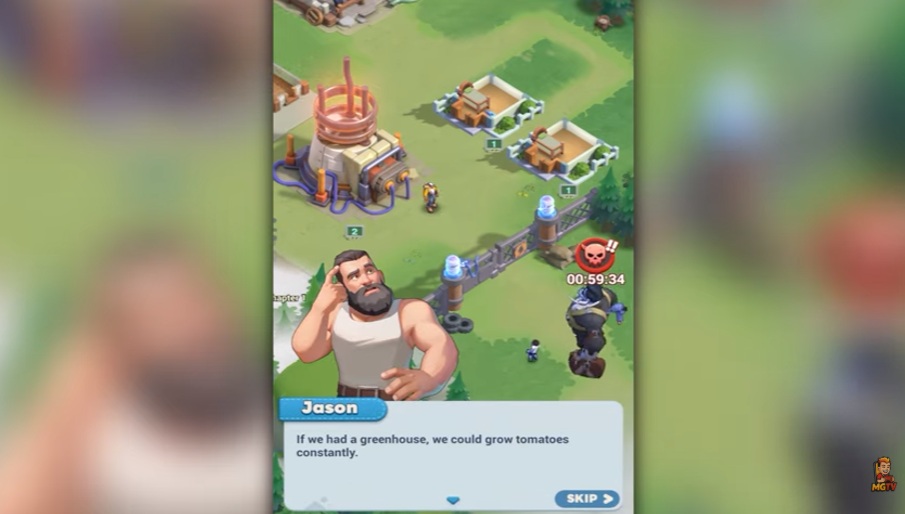
1.jpg

為什麼前 10 天 特別致命

在談該怎麼玩之前,必須先理解一件事:為什麼前期生存會如此折磨人。

遊戲懲罰的是「失衡」,不是「太慢」

許多新手以為自己會死,是因為動作不夠快。
但實際上,點點大作戰 更常因為你擴張或建設失去平衡而殺死你。

食物、人力、倉儲三者緊密相連,只要其中一環落後,整個系統就會開始瓦解——即使表面上看起來一切正常。

前期死亡是「延遲發生」的

大多數村落不是瞬間崩潰,而是進入一種慢性失敗狀態:

  • 食物產量看似穩定……直到突然撐不住

  • 人口持續增加……但勞動效率不斷下降

  • 冬天來臨……把所有早期錯誤一次攤開

當村民真正開始死亡時,真正的問題往往早在好幾天前就已經埋下。

第一個冬天不是敵人,而是「審核」

冬天本身不是問題,它只是一次總檢查
如果你前期的決策正確,冬天其實可以撐過;如果不正確,冬天只會毫不留情地揭露裂縫。

第 1–3 天:建立穩定的核心

前三天,決定你的這一局是否還有未來。

食物優先於一切

食物不只是資源,它代表的是「時間」。
每天能維持正食物成長,就等於替未來買下一點容錯空間。

前期優先順序應該是:

  • 立即取得穩定的食物來源

  • 基礎住所與倉儲

  • 只有在食物明確允許時,才考慮擴張

別急著「什麼都先做」。每多指派一個工人,都代表你放棄了其他可能。

避開早期人口陷阱

人口成長看起來像進步,但沒有多餘食物的人口,只會加速滅村。

在第 1–3 天:

  • 不要刻意追求人口成長

  • 食物未穩定前,不要擴建住房

  • 閒置村民,比飢餓的村民安全得多

一個小而溫飽的村落,永遠比一個隨時斷糧的大村更有效率。

控制早期探索節奏

探索看起來很有產出,但會默默消耗人力與注意力。

前期探索應該是:

  • 靠近核心區域

  • 有明確目的(食物或關鍵資源)

  • 緩慢、克制

「只是想看看地圖」是新手最常見的死亡原因之一。

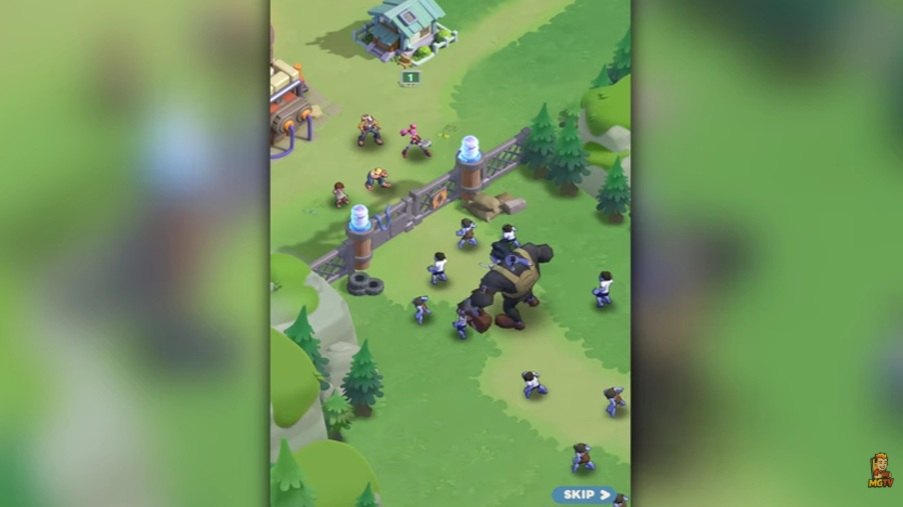
2.jpg

第 4–7 天:避免慢性死亡螺旋

這個階段,很多局勢看起來沒問題——直到它突然崩潰。

管理人力,而不是只看產量

玩家很容易追逐可見數字:更多食物圖示、更多木材、更多建築。
但真正重要的是人力效率

警訊包括:

  • 工人頻繁換工作

  • 資源因倉儲不足而浪費

  • 建築產出不如預期

只要感覺不穩定,就該停止擴張,先穩住系統。

倉儲是生存工具,不是便利設施

倉儲爆滿,比產量不足更致命。

當倉儲滿了:

  • 食物腐敗

  • 人力白白浪費

  • 想補救時往往已經太晚

產量要提升,倉儲必須先到位,或同步跟上。

不要因為「可以擴張」就去擴張

擴張會同時增加:

  • 人力需求

  • 路徑效率問題

  • 資源壓力

只有在能直接提升食物安全或為冬天做準備時,擴張才有意義。其他事情,都可以等。

第 8–10 天:為冬天做準備,但別過度承諾

這裡,是自制力玩家能活下來、貪心玩家會死的分水嶺。

囤積勝過完美配置

冬天不在乎你的系統看起來多優雅,只在乎你在產量下降前存了多少食物

入冬前:

  • 寧可保守囤積,也不要追求完美比例

  • 暫停高風險建設

  • 只要能增加庫存,效率低一點也無妨

這不是實驗的時機。

抵抗「最後一刻擴張」的誘惑

很多玩家就是在這裡翻車,因為一切終於看起來穩定了。

而這種感覺,非常危險。

入冬前的擴張常常會:

  • 增加來不及餵飽的人口

  • 把人力從囤糧中拉走

  • 建立無法及時回本的系統

冬天在即時,穩定永遠勝過野心。

目標是活下來,不是成長

10 天 的目標不是發展,而是延續

只要你在入冬時擁有:

  • 穩定的食物儲備

  • 可控的人口規模

  • 清楚、可管理的人力分配

你就已經跨過整個遊戲最困難的門檻。

有些玩家會選擇透過少量的 點點大作戰儲值 來降低前期學習曲線的挫折感,特別是在多次前期失敗開始讓人感到疲憊時。若是適度使用,它可以幫助你更平順地撐過第一個冬天,或減輕早期資源緊繃的壓力——但它應該被視為一條可選的捷徑,而不是取代理解生存機制的手段。

3.jpg

先活下來,其它的以後再說

點點大作戰 不靠提示視窗或手把手教學來教你,它是透過失敗來教學的。
10 天 並不是在考驗你對系統的掌握,而是在考驗你的克制力。

只要你能穩定撐過這個開局階段:

  • 中期玩法會開始變得清晰

  • 錯誤變得可以修正

  • 遊戲會逐漸展開,而不是不斷收緊

先活下來,再談優化。

點點大作戰
10000 探索幣
keygold sales270
keygold discount4.9
$73.99
-$26
相關資訊
keygold empty暫無相關資訊