

Common Blood Strike Beginner Mistakes

A veteran-style breakdown of the most common Blood Strike beginner mistakes, why they happen, and how to fix them faster.

100+5 Golds
$0.72
$0.99-$0.27300+20 Golds
$2.17
$2.99-$0.82500+40 Golds
$3.61
$4.99-$1.381000+100 Golds
$7.22
$9.99-$2.76



If you keep dying in Blood Strike, the problem usually is not raw aim first. It is decision-making first. Blood Strike is officially presented as a fast-paced battle royale FPS, and its own tutorial structure highlights not just shooting, but Special Movements, Airdrop, Parachute, Revive, Respawn, Tactical Support, Shop, Communication, In-match Missions, Upgrade Weapon, Combat Tips, and Teamwork. That is a clear design signal: this game punishes weak timing, weak spacing, and weak fight selection very quickly. [Source: Blood Strike]
The Steam page reinforces the same point. Blood Strike centers on Battle Royale, Squad Fight, and Hot Zone, and it emphasizes playable Strikers with unique active and passive abilities. This is not a pure duel shooter. If you loot too long, fight in the open, drift away from teammates, or waste your ability, the match usually punishes you before mechanics can save you. [Source: Blood Strike]
If you have already read Blood Strike Guide for Beginners, this article is the next step. It focuses on the mistakes that repeatedly get beginners killed and the fastest way to fix them.
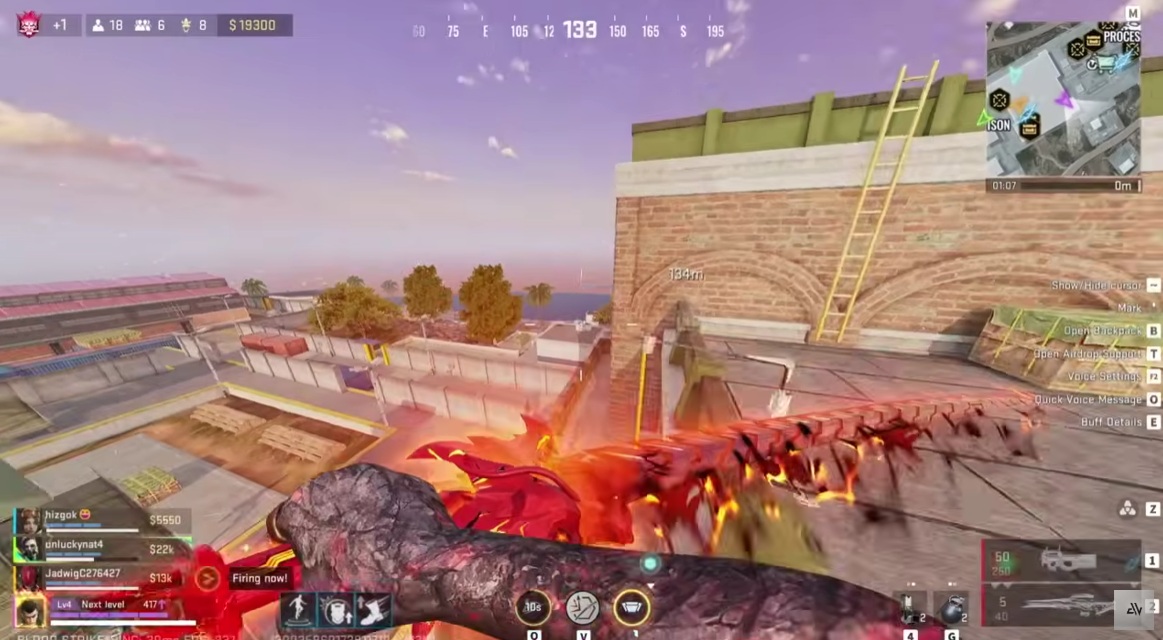
1. Over-Looting in Blood Strike
Over-looting is the most common beginner mistake in Blood Strike.
The official tutorial structure itself shows why. Blood Strike teaches Airdrop, Shop, In-match Missions, Upgrade Weapon, Revive, and Respawn as core systems, which means matches are built around active progression, not standing still until your loadout feels perfect.
What beginners do
Stay too long at one drop
Keep searching for better attachments
Delay movement for “one more upgrade”
Why it fails
The January 8, 2026 BR update increased emphasis on combat pace, adjusted respawn flow, and shifted later-stage income more toward combat. In other words, slow looting loses value faster than before.
Common loss chain
over-loot -> late rotation -> weak entry angle -> panic ability -> lose trade
Proof signal
If 3 or more of your last 10 deaths happened after arriving late to your team or late to the fight, looting is one of your biggest problems.
Quick fix
Leave once your setup is playable, not perfect. A stable weapon pool helps here, which is why Best Beginner Guns in Blood Strike Right Now should exist as a support page.
2. Taking Fights Without Cover in Blood Strike
Most “bad aim” fights are actually bad cover fights.
Steam’s official description emphasizes action-packed PvP modes and Strikers with unique active and passive abilities. The tutorial hub also highlights Combat Tips, Teamwork, Communication, Revive, and Respawn. Blood Strike expects players to fight from structure, not from ego. [Source: Steam Store]
What beginners do
Shoot as soon as they see movement
Peek from weak cover
Take damage, then overpeek
Force teammates into bad rescue attempts
Why it fails
Once you start a fight from exposure, you usually need better aim than the opponent just to survive an even trade.
Common loss chain
spot enemy -> shoot too early from weak cover -> take return damage -> panic movement -> die in the open
Proof signal
If 3 or more of your last 10 deaths started with you fighting from open ground or weak cover, your issue is positioning first, not mechanics first.
Quick fix
Ask three questions before committing:
Do I have cover?
Can my team trade for me?
Can I leave if this goes badly?
If most answers are no, the fight is bad.
3. Being Too Far From Teammates in Blood Strike
Distance from teammates is a hidden survival stat.
That is not theory. Blood Strike’s tutorial structure includes Revive, Respawn, Communication, Tactical Support, and Teamwork as core learning topics. Those systems only matter if your spacing lets teammates actually affect the fight.
What beginners do
Loot wide
Chase too far after damage
Take side angles no one can support
Why it fails
A small gap becomes a huge problem in a fast shooter. If your team cannot trade, revive, or push with you, you are effectively isolated.
Common loss chain
minor separation -> isolated peek or chase -> no trade available -> get focused -> squad loses pressure
Proof signal
If 3 or more of your last 10 deaths happened while separated from your squad, spacing is a primary weakness.
Quick fix
Stay close enough that teammates can support within seconds. Not stacked. Not disconnected. Functional.
A natural related page here is Best Strikers in Blood Strike Right Now, because some Strikers gain much more real value when team spacing is good.
4. Using Your Striker Ability Too Late
A late ability usually means the fight was already bad before you pressed it.
Steam explicitly describes Blood Strike as a game with playable Strikers, each with a unique active and passive ability. The January 29, 2026 update also added in-match Gameplay Guide and Balance Announcement buttons so players can check current mode rules and the latest weapon and Striker balance changes during the match. That is direct evidence that ability timing and balance matter to real outcomes.
What beginners do
Hold ability too long
Panic-use ability after taking damage
Die with ability unused
Why it fails
Abilities create windows. Used too late, they only try to survive a problem that is already out of control.
Common loss chain
hold ability -> lose angle -> panic-use -> gain little value -> die anyway
Proof signal
If you die with ability available in 3 or more of your last 10 deaths, your issue is timing, not cooldown access.
Quick fix
Pick one or two Strikers and define their job clearly:
entry tool
reset tool
info tool
survival tool
If the role is unclear, timing will stay bad.
This section should naturally support Best Strikers in Blood Strike Right Now or Best Strikers for Beginners.
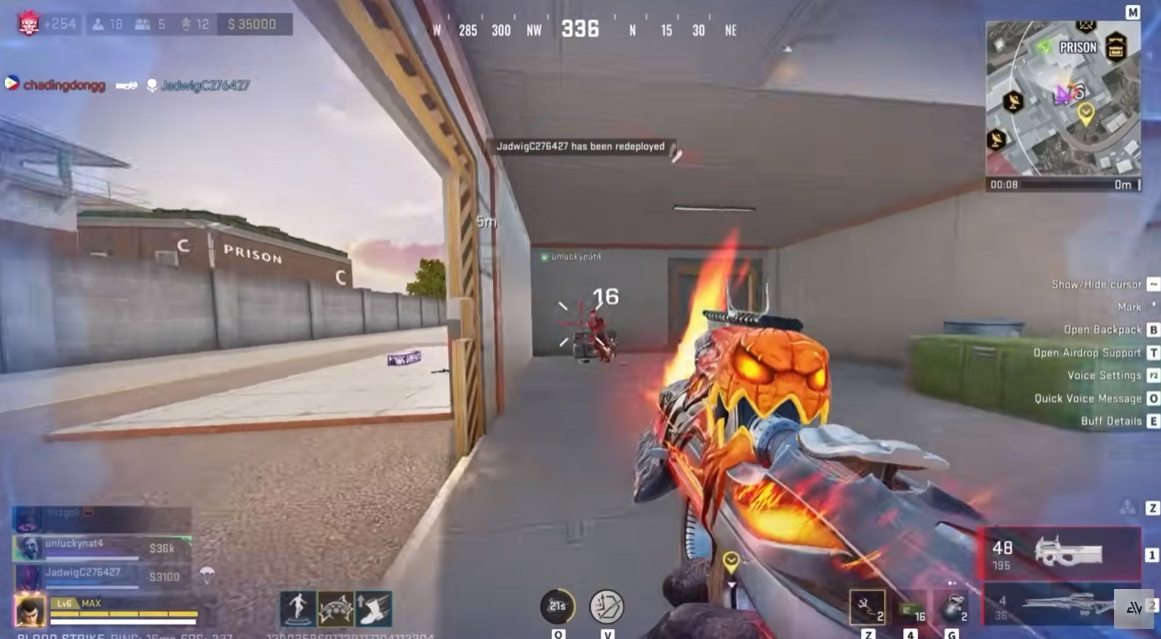
5. Chasing a Knock Too Hard
A knock creates pressure, not permission.
The January 8, 2026 BR update pushed the game toward more proactive combat and made later-stage value depend more on fighting. That rewards controlled aggression, not blind overcommitment. [Update Announcement]
What beginners do
Knock one enemy
Sprint forward for the finish
Break cover and spacing
Run into support fire
Why it fails
A knock changes the fight state, but not always enough to justify a full push.
Common loss chain
get knock -> rush for finish -> lose cover -> enter enemy support angle -> die alone
Proof signal
If 3 or more of your last 10 deaths happened right after chasing a knock, you are converting pressure badly.
Quick fix
Pause for half a second and ask:
Did we create a safe push?
Can my team move with me?
Is there cover between me and the finish?
If not, hold pressure instead of sprinting.
6. Blaming Aim for Every Fight Loss in Blood Strike
Not every lost duel is an aim problem.
The official tutorial hub covers far more than gunplay, and Steam’s description highlights modes, loadouts, team play, and Striker abilities. Blood Strike is built around layered decisions, not just crosshair execution.
What beginners do
Miss shots
Review the fight as “my aim was bad”
Ignore cover, timing, spacing, and ability mistakes
Why it fails
Bad setup creates harder shots. Harder shots create panic. Panic makes aim worse.
Common loss chain
weak position -> harder shot quality -> more incoming pressure -> panic aim -> blame mechanics only
Proof signal
If most of your losses happen from bad angles, late entries, or isolated fights, mechanics are not the first problem to solve.
Quick fix
Review each death with this order:
cover
spacing
timing
ability usage
aim
A useful related page here is Best Modes in Blood Strike Right Now, especially if you later separate “combat reps” from “overall game-sense reps.”
7. Switching Guns, Modes, and Strikers Too Often
Too much experimentation slows pattern recognition.
Steam’s official page makes it clear that Blood Strike includes multiple core modes and a wide range of Strikers. That variety is a feature, but for beginners it also creates too many moving parts if everything changes every few matches.
What beginners do
Lose one match and switch guns
Have one awkward ability use and switch Strikers
Tilt after BR and jump modes immediately
Why it fails
If every match has different variables, you cannot tell what is actually causing losses.
Common loss chain
bad game -> change too many variables -> no clear comparison -> weak review -> slow improvement
Proof signal
If you cannot clearly explain whether your last five losses came from mode choice, weapon choice, role choice, or positioning, your variables are too wide.
Quick fix
Lock these for 10 to 15 matches:
one main mode
one or two Strikers
a small weapon pool
That is how useful review begins.
8. Spending Before Your Playstyle Is Clear
A Blood Strike Top Up makes sense later, not earlier.
The official site prominently includes a Top Up path, and the game’s update cadence shows that Blood Strike continues to evolve through balance changes, mode updates, and progression systems. The January 29, 2026 patch even surfaced balance updates and mode rules directly in-match, which tells you adaptation matters.
What beginners do
Spend early without knowing their main mode
Invest before understanding their preferred Striker or progression path
Treat spending as a substitute for clarity
Why it fails
If your playstyle is still unstable, spending usually adds noise instead of value.
Common loss chain
unclear playstyle -> early spending -> weak long-term value -> more confusion about priorities
Quick fix
Use this order:
comfort
consistency
progression planning
spending
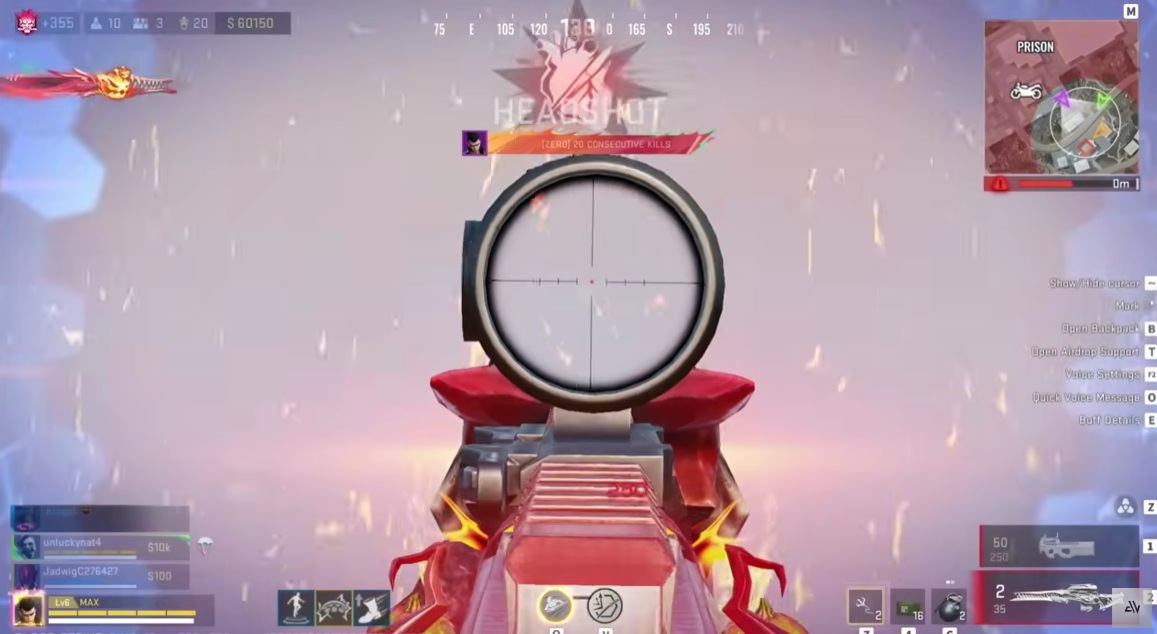
How to Fix These Mistakes Faster
Do not fix everything at once. Track patterns.
Use your next 10 matches and count these:
deaths after over-looting
deaths from weak or no cover
deaths while separated from teammates
deaths with unused or late-used ability
deaths after chasing a knock
deaths during late rotations
That gives you evidence, not guesswork.
10-Match Beginner Mistake Tracker
Mistake Category | Count |
|---|---|
Over-looted before first major rotation | |
Took a fight with weak or no cover | |
Too far from teammates when fight started | |
Used Striker too late or died without using it | |
Chased a knock into a bad position | |
Died during a late rotation |
If one category appears 3+ times, it is not random. It is one of your core problems.
Quick Checklist
Stop looting after your setup becomes playable.
Do not start fights with no cover.
Stay close enough for teammates to trade for you.
Use your Striker with a clear job.
Do not turn every knock into a blind push.
Stop blaming every loss on aim first.
Reduce variables for 10 to 15 matches.
Do not rush a Blood Strike Top Up before your playstyle is clear.
FAQ
What is the most common beginner mistake in Blood Strike?
Over-looting. It causes late rotations, weak entries, and missed team timing.
Why do beginners die so fast in Blood Strike?
Because the game is designed around fast tempo, multiple systems, and quick punishment for weak timing, weak cover, and weak spacing.
Is Blood Strike more about aim or decision-making?
Both, but beginners usually gain more by fixing decisions first. The official tutorial scope itself shows the game values more than shooting alone.
Should beginners play aggressively?
Yes, but with structure. Official updates pushed BR toward more proactive combat, not random rushing.
When does a Blood Strike Top Up make sense?
After your main mode, main Striker, and progression priorities are already clear.
Final Thoughts
Blood Strike becomes easier when the game stops feeling random. Most beginner deaths come from repeatable patterns: over-looting, weak cover, bad spacing, late abilities, over-chasing, and too many changing variables.
Fix the pattern, not just the symptom.