

Blood Strike Guide for Beginners
An easy-to-follow Blood Strike beginner guide for new players, focused on pace, positioning, Striker choices, weapon basics, and progression decisions.

100+5 Golds
$0.72
$0.99-$0.27300+20 Golds
$2.17
$2.99-$0.82500+40 Golds
$3.61
$4.99-$1.381000+100 Golds
$7.22
$9.99-$2.76


If Blood Strike feels faster, messier, and more punishing than you expected, that is because it is.
This is not a slow battle royale where you can loot forever, hold angles for half a minute, and win just by waiting for someone else to make a mistake. Blood Strike is built around speed. The official site describes it as a fast-paced battle royale FPS, while the Steam page highlights Battle Royale, Squad Fight, and Hot Zone as core modes, plus playable Strikers with unique active and passive abilities. That combination changes how new players should approach the game from the very beginning.
So here is the real beginner advice:
Do not try to master everything at once.
Learn the pace first. Learn how fights begin. Learn when to move, when to reset, and when to stay attached to your team. Once those basics click, Blood Strike starts making a lot more sense. The official beginner guide topics on the website also reflect that kind of learning path, with sections for movements, airdrops, parachuting, revive, respawn, shop, communication, and weapon upgrades.
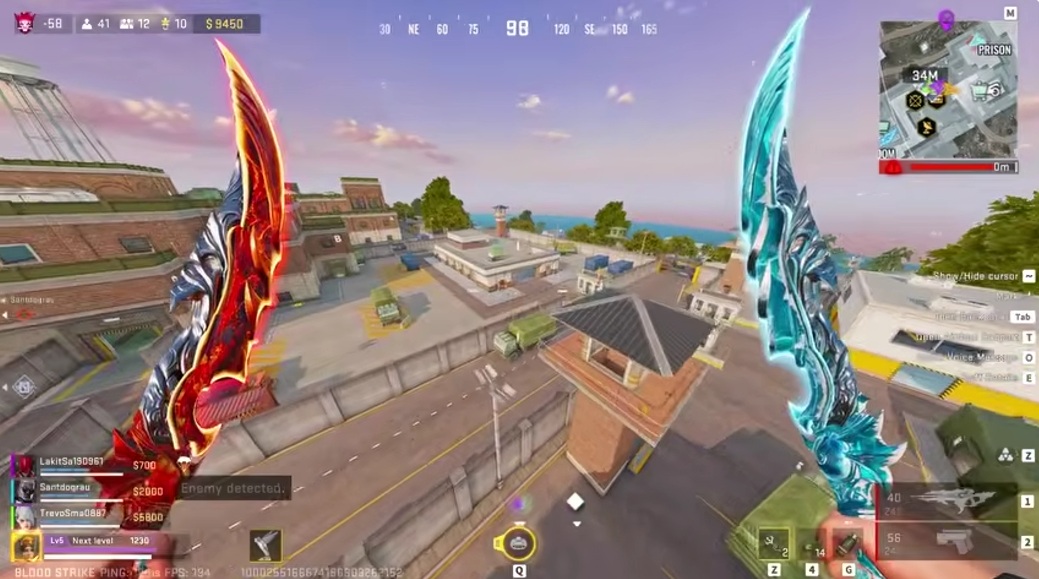
What Is Blood Strike and Why Does It Feel So Fast?
Blood Strike is a cross-platform shooter built around fast matches, battle royale systems, and characters with distinctive abilities. The Google Play listing describes it as a battle royale game available on multiple platforms with fast-paced matches, smooth optimization, and characters with distinctive abilities, while the Steam page emphasizes customizable weapons and multiple PvP modes.
That matters because Blood Strike does not play like a pure “gun only” shooter.
You are dealing with several systems at once:
Movement
Team Pressure
Ability Timing
Respawn Logic
Mode-specific Tempo
The official site’s tutorial categories make that clear. It is not just teaching you how to parachute or shoot. It also teaches revive, respawn, tactical support, shop, communication, in-match missions, and weapon upgrades, which tells you Blood Strike expects players to make constant decisions instead of just taking isolated aim duels.
That is also why new players often feel overwhelmed early.
In many shooters, the early lesson is “learn recoil and hit your shots.”
In Blood Strike, the better early lesson is “learn how the match moves.”
Because if you are always late to the rotation, too far from your squad, or using abilities after the fight already broke, better aim alone will not save you.
What Should Beginners Focus on First?
The first thing beginners should focus on is not kills.
It is usefulness.
That sounds boring, but it is how you improve faster.
In your first several matches, you should care more about these questions:
Are you staying close enough to your team?
Are you moving quickly enough after looting?
Do you understand when a fight is already lost?
Are you using your Striker ability with a purpose, or just pressing it because something happened?
Those questions matter because Blood Strike rewards pace. Recent official update notes explicitly say the game was making major upgrades to Battle Royale’s combat pace, economy system, and respawn mechanics to create a more thrilling and competitive experience. That tells you the game’s direction very clearly: faster decisions matter.
A simple beginner plan works best.
Pick one mode first.
Pick one or two Strikers first.
Pick a small number of weapon types first.
Then build your confidence through repetition instead of randomness.
A lot of beginners slow their own progress by changing everything every few matches. New role, new loadout, new playstyle, new mode. That feels like exploration, but most of the time it just delays pattern recognition.
Best Game Modes for New Players
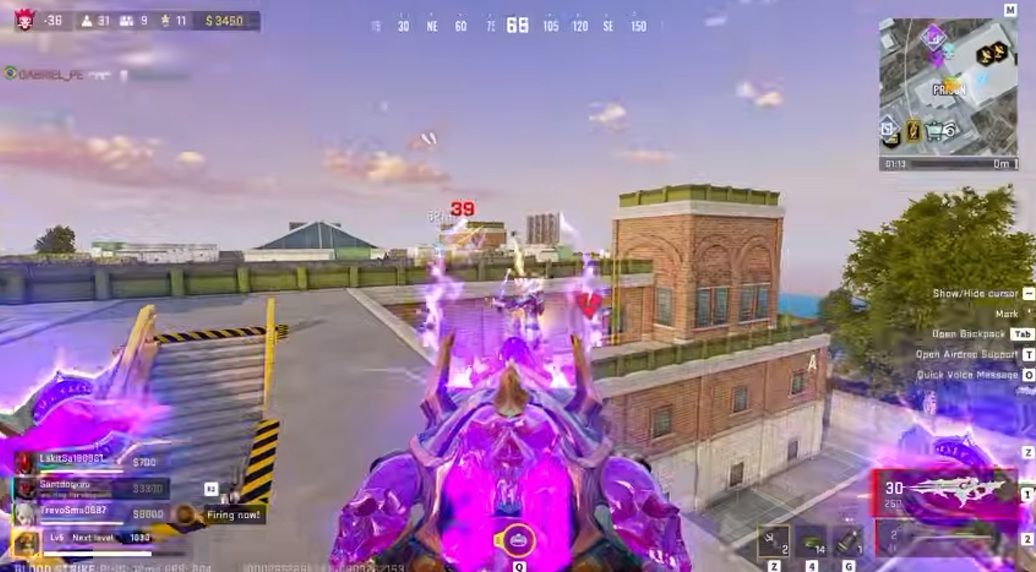
Blood Strike’s Steam page currently highlights three core modes: Battle Royale, Squad Fight, and Hot Zone. Each teaches something different, so the best starting point depends on what you are trying to learn.
Battle Royale Basics
Battle Royale is the best mode for understanding the full game.
You learn how to land, loot, rotate, survive pressure, manage respawns, and deal with the chaos of multiple teams colliding. The official site’s beginner sections on parachute, airdrop, revive, respawn, shop, and communication all line up naturally with BR learning.
But BR is also the hardest mode for brand-new players to read.
You can die because of bad landing choices.
You can die because you looted too long.
You can die because another squad heard your fight and arrived first.
You can die because you won the first fight, then stayed too long.
That is why BR is great for learning game flow, but not always the fastest place to build confidence.
Squad Fight and Faster Modes
If your main problem is that every BR fight feels too chaotic, faster modes can help.
The Steam page lists Squad Fight and Hot Zone alongside BR, and those modes are naturally better for repeated reps. You get more direct combat, more chances to test positioning, and more immediate feedback on how your movement and ability usage hold up under pressure.
For many beginners, this is the best way to improve mechanics without the downtime of a full BR match.
You lose a fight, you reset, you learn, you go again.
That repetition matters.
Which Mode Should You Start With?
If you want to understand the whole game, start with Battle Royale.
If you want to get comfortable fighting faster, mix in Squad Fight or Hot Zone.
If you tilt easily after one bad BR loss, spend some time in the quicker modes first. They are often better for building confidence, cleaning up your movement, and learning when abilities actually help.
The smartest beginner approach is usually not “only play one mode forever.”
It is “use different modes for different skills.”
If you are still deciding where to spend most of your time, our best modes breakdown explains which mode helps beginners improve fastest.
How Strikers Work and Why They Matter
One of Blood Strike’s biggest differences from older battle royale shooters is its Striker system. The Steam page says Blood Strike offers a wide range of playable Strikers, each with a unique active and passive ability, including tools like drones and shield walls. The Google Play listing also emphasizes characters with distinctive abilities.
That means your character pick is not cosmetic.
It changes how you enter fights, how safely you reposition, how much information you get, and how well you support teammates.
A lot of beginners make the same mistake here:
they pick the Striker that looks coolest instead of the one that teaches the clearest job.
That usually slows improvement.
What Strikers Actually Change in a Match
Strikers change the rhythm of your decisions.
A mobility-focused Striker may help you escape, reposition, or pressure faster.
A defensive one may help you hold angles or survive an aggressive push.
An information-heavy one may help you understand where the fight is about to happen.
A support-oriented one may keep your squad stable longer.
The exact balance shifts over time, and official updates now include in-game access to core rules and balance announcements so players can quickly check how the current mode works and what changed in the latest patch.
For a beginner, that means one important thing:
Do not think of your ability as a bonus.
Think of it as part of the fight.
How to Choose a Striker for Your Playstyle
Choose a Striker based on the kind of mistakes you make most often.
If you overextend, a more forgiving or defensive toolset may help you stay alive long enough to learn better timing.
If you struggle to read fights, a Striker that gives information or more structured engagement windows can help you slow the game down mentally.
If you already like aggressive entries, a more proactive Striker can work, but only if it does not encourage reckless habits.
The best beginner Striker is not the one with the flashiest clip potential.
It is the one that makes your decisions clearer.
If you want a more direct comparison, our best Strikers guide breaks down which picks give beginners the clearest value right now.
Best Type of Striker for Complete Beginners
In general, beginners learn faster on Strikers with obvious value.
Clear survival tool.
Clear support tool.
Clear engagement tool.
The more straightforward the role of the ability, the easier it is to learn when it should be used.
That matters more than ceiling right now.
Your first goal is not to become mechanically stylish.
Your first goal is to become readable to yourself.
In-Match Fundamentals for Blood Strike Beginners
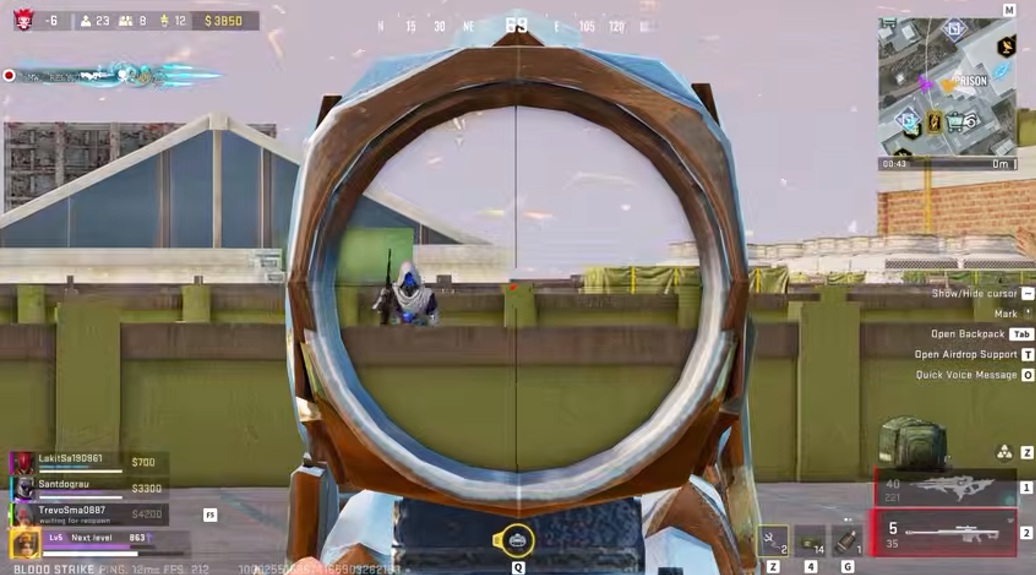
The best beginner playstyle in Blood Strike is controlled aggression.
Not passive.
Not reckless.
Controlled.
That means:
loot quickly,
move with intent,
fight when you have a reason,
and reset before the game punishes you.
How to Loot Fast Without Falling Behind
One of the most common beginner mistakes in any BR game is looting too long, and Blood Strike punishes that even harder because of its pace.
You do not need a perfect setup to become dangerous.
You need a playable setup fast.
The official site’s structure around airdrops, shop, in-match missions, and upgrade systems also suggests that progression inside a match is dynamic. You are not expected to sit in one area forever trying to build a dream loadout.
A good beginner rule is simple:
Get enough to fight, then move.
Do not let looting become an excuse for avoiding decisions.
When to Fight and When to Reset
A lot of beginners take the wrong fights, then blame aim.
The better question is:
Was this fight worth taking?
Good fights usually give you one of these: position, pressure, resources, or a clear advantage.
Bad fights usually trap you in open space, pull you away from your team, or drag on long enough for another squad to punish you.
If a fight starts messy and you do not have a clean reason to stay, resetting is often smarter than forcing it.
That is not passive.
That is discipline.
How to Rotate Without Getting Punished
Rotations kill a lot of new players because they treat movement like downtime.
It is not downtime.
It is one of the most dangerous parts of the match.
If you move late, rotate through weak cover, or drift too far from teammates, you make yourself easy to collapse on. Blood Strike’s own learning content puts communication and special movements right alongside core combat systems, which is a good reminder that mobility and team coordination are not secondary skills here.
Good rotations are boring in the best way.
You move early.
You keep cover in mind.
You know where your team is.
You do not sprint into exposure just because the circle told you to panic.
Why Tempo Control Matters More Than Blind Aggression
Blood Strike rewards players who make better decisions faster.
That does not mean rushing every fight. It means knowing when to push, when to rotate, and when to reset before things get worse.
Strong players are not just faster. They are cleaner. They loot faster because they know when they already have enough. They rotate earlier because they understand how quickly bad positions get punished. And they push because the timing is right, not because the game feels fast.
Blood Strike does not reward random speed. It rewards better timing, cleaner fights, and smarter choices under pressure.
Best Guns for Beginners in Blood Strike
Weapon choice matters, but beginners do not need the “best” gun on paper. They need guns that are easier to trust and easier to repeat under pressure.
What Makes a Gun Beginner-Friendly
A beginner-friendly gun should feel predictable, stable, and forgiving. If a weapon helps you stay calm in real fights, it is usually better for learning than a higher-skill option with less room for error.
Which Weapon Types Are Easiest to Learn
For most beginners, two types make the most sense:
Stable mid-range options help you learn recoil control, burst timing, and target tracking without making every fight feel rushed.
Forgiving close-range choices are easier to use when fights get messy, so you can focus more on movement, cover, and timing instead of panicking over aim.
If you want more specific recommendations, our best beginner guns guide breaks down which weapon types are easiest to trust early on.
What to Avoid Early On
Do not change guns every match. Most inconsistency comes from positioning, timing, or panic, not from using the “wrong” weapon.
How to Build Confidence With Simpler Loadouts
Use a small, reliable set of weapons and stick with them. That helps you build real habits faster than constantly chasing whatever looks strongest.
7 Common Blood Strike Beginner Mistakes
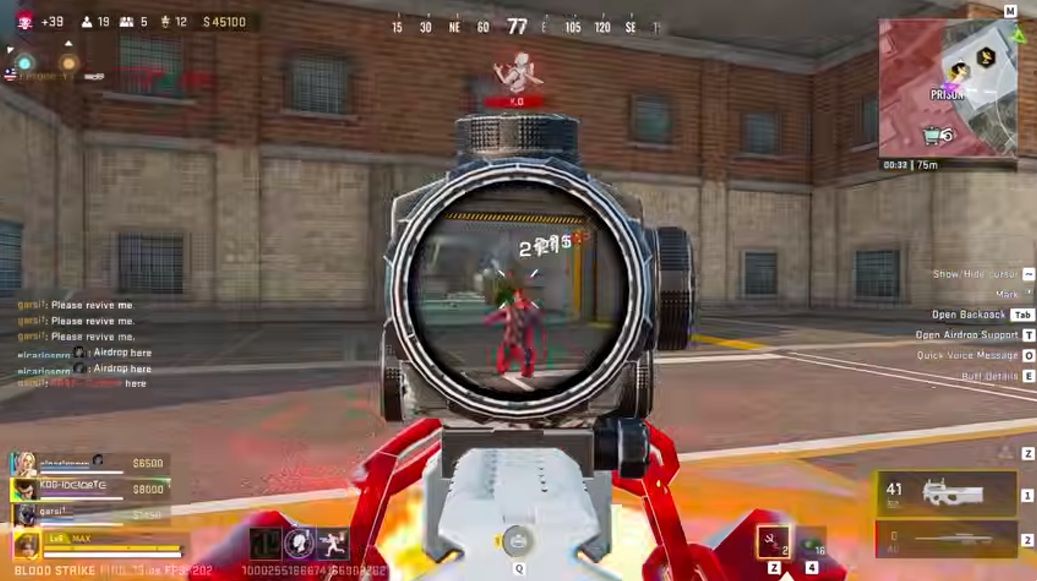
Most beginners are not held back by one giant flaw.
They are held back by a cluster of small, repeatable mistakes. If that sounds familiar, our common mistakes guide goes deeper into the habits that quietly cost beginners fights and wins.
1. Looting too long
You are not preparing.
You are delaying.
If your team already moved and you are still shopping for a perfect setup, you are behind.
2. Taking fights without cover
This is one of the fastest ways to lose a match you could have survived.
If your angle is weak and your exit is worse, the fight is probably bad before it even starts.
3. Ignoring your teammates
Blood Strike is not built around isolated hero moments. Between respawn systems, communication, and role-like Striker value, staying connected to your team matters more than many beginners expect.
4. Using abilities too late or too early
The wrong timing ruins good tools.
If you panic-use your ability, you often waste it.
If you hold it forever, you die with value in your pocket.
5. Chasing a knock too hard
Getting an advantage does not mean you must overcommit.
A lot of beginners turn one good moment into a bad death because they push too far, too fast, without checking what the rest of the enemy team is doing.
6. Treating every fight like pure aim
Aim matters, of course.
But Blood Strike also cares about who moved first, who arrived with teammates, who used abilities correctly, and who entered the fight with a plan.
7. Making random progression choices
Do not confuse motion with progress.
If you are constantly changing modes, Strikers, and weapons without a reason, you are making your own learning harder than it needs to be.
How to Improve Faster in Blood Strike: Habits That Actually Matter
Once your in-match basics start making sense, improvement becomes less about finding one secret trick and more about building repeatable habits.
If you want to improve faster, build your practice around three things:
movement
decision-making
role clarity
Build Better Movement Habits
Good movement is not random sliding, jumping, or overpeeking.
Good movement keeps you hard to punish while still letting you contribute.
Because the official learning content explicitly includes special movements and combat tips, it is fair to say the game expects movement to be an active skill, not just a mechanical extra.
Survive More Mid-Game Fights
Mid-game is where a lot of matches fall apart.
You have enough loot to feel confident.
You have enough map pressure to get tempted.
And other teams are now moving too.
This is where patience becomes valuable.
Not passive play.
Just cleaner judgment.
Make Cleaner Decisions Under Pressure
A lot of mistakes are not caused by low skill.
They are caused by overloaded thinking.
When fights get messy, simplify your choices.
Can we win this cleanly?
Do we have cover?
Is my team actually with me?
If not, why am I still here?
That kind of self-check prevents a lot of bad pushes.
What Good Players Do Differently
Good players usually look faster because they hesitate less.
But the reason they hesitate less is not magic reflexes.
It is because they recognize patterns sooner.
They know what a bad fight looks like.
They know when to stop looting.
They know when an advantage is real and when it is bait.
That is why experienced players often seem calmer. They are not seeing less chaos than you are. They are just sorting it faster.
How Beginners Should Think About Progression and Account Planning
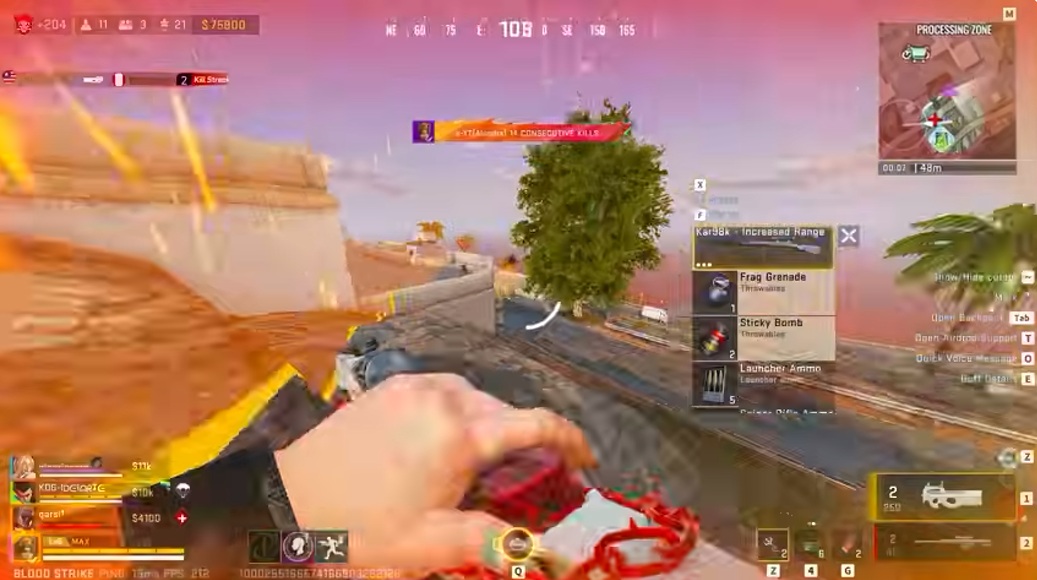
Progression should support your learning, not distract from it.
The official site and recent updates show that Blood Strike continues to evolve through season updates, weapon changes, new Strikers, event systems, and match economy updates. That means beginners should avoid building their entire identity around whatever feels newest or loudest in the moment.
What to Prioritize First
Prioritize comfort first.
Find a mode that helps you learn.
Find a Striker that makes sense to you.
Find weapons you trust enough to stay calm.
That gives you a baseline.
Comfort vs. Efficiency vs. Experimentation
All three matter, but not equally at the same time.
Comfort helps you stabilize.
Efficiency helps you improve faster.
Experimentation helps you discover better long-term fits.
For a beginner, comfort usually comes first.
You need a foundation before optimization really means anything.
When It Makes Sense to Invest More Into the Game
Once you know you like the game, understand your preferred modes, and have a clearer sense of your playstyle, it becomes easier to decide what is worth investing in and what is not.
That applies to time, attention, and any account-related decisions.
For players who already know they enjoy the game and want a smoother progression path, a well-timed Blood Strike top up can make sense as part of a clear plan rather than an impulse decision.
If you are weighing that decision, our top up value guide explains when spending actually makes sense and when it is better to wait.
The mistake is investing heavily before you understand what you actually enjoy.
Blood Strike FAQ for Beginners
Is Blood Strike good for beginners?
Yes — but only if you are ready for a faster pace than most beginner-friendly shooters. Blood Strike is easy to access, but it still punishes slow looting, late rotations, and hesitation more than many new players expect.
What is the best mode for new players?
Battle Royale is the best mode for learning how the full game works. If you want faster combat reps and more practice with movement, timing, and pressure, modes like Squad Fight or Hot Zone are usually better starting points.
What is the best Striker for beginners?
The best beginner Striker is usually one with simple, obvious value. You want an ability that helps you understand your role and make cleaner decisions, not one that only looks strong in highlight clips.
What are the best beginner guns in Blood Strike?
The best beginner guns are the ones that feel stable, forgiving, and easy to repeat under pressure. Early on, predictable weapons usually help you improve faster than high-risk guns that only feel strong in very specific situations.
Should beginners play aggressively in Blood Strike?
Yes — but with structure. Blood Strike rewards pace, but reckless aggression gets punished fast. The goal is purposeful pressure, not random rushing.
How do you improve faster in Blood Strike?
Focus on one or two modes, one or two Strikers, and a small set of reliable weapons. Then build better habits around movement, fight selection, and ability timing before worrying too much about advanced mechanics.
When does Blood Strike top up make sense for beginners?
Usually only after you know you actually enjoy the game and understand how you want to play. For most beginners, learning the pace, finding a reliable Striker, and building a stable loadout matter more first. A Blood Strike top up makes more sense when it supports a clear progression plan, not early confusion.
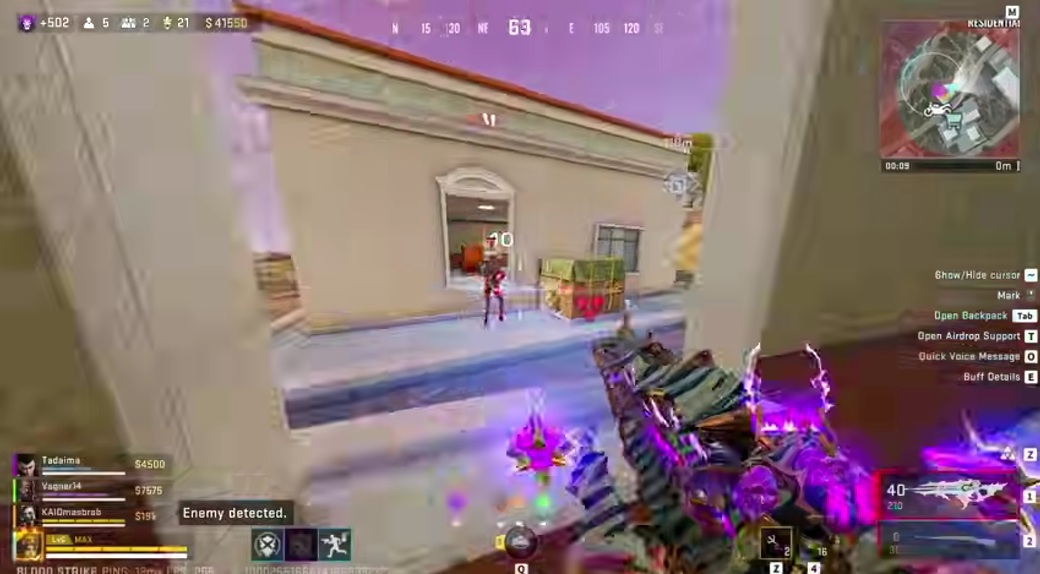
Final Thoughts
Blood Strike feels hard at first because it asks you to process a lot at once.
You are not just aiming.
You are moving, rotating, timing abilities, reading teammates, managing pace, and adjusting to a mode that wants quick decisions.
That is why beginners improve fastest when they stop trying to do everything.
Learn one part of the game at a time.
Get comfortable with the speed.
Choose a Striker that gives you clear value.
Use simple weapons.
Stay close enough to your team that your decisions actually matter.
Once you understand the pace, the rest of the game starts opening up. And once that happens, Blood Strike stops feeling chaotic and starts feeling readable.