For years, Free Fire has ranked among the most downloaded mobile games worldwide. Along with its massive popularity, however, one claim refuses to disappear:
“Free Fire is full of low-skill players.”
This perception spreads quickly across forums, social media, and even among players of other battle royale games. But is it accurate—or is it a misunderstanding of how player skill works in a mobile-first shooter?
To answer that question, we need to look beyond surface-level impressions and examine how Free Fire is designed, who plays it, and what “skill” actually means in this context.
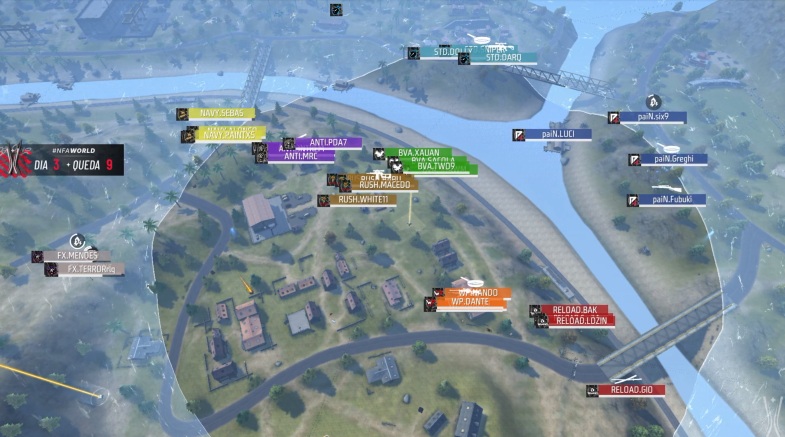
Why Free Fire Feels Easier Than Other Battle Royale Games
One of the most common reasons Free Fire is labeled a “low-skill game” comes down to intentional design choices.
Free Fire was built to perform smoothly on low- and mid-end smartphones. To support that goal, the game features:
Compared to titles like PUBG Mobile or Call of Duty: Mobile, Free Fire demands less mechanical complexity—especially in raw aiming precision. That difference often leads players to conclude the game is “easy.”
However, lower mechanical barriers do not equal lower skill ceilings. They simply change how skill is expressed.
What many players describe as “low skill” is often just accessibility by design.
A Huge Player Base Naturally Creates Skill Gaps
Free Fire’s global reach is one of its defining traits. The game is especially popular in:
With hundreds of millions of active players, Free Fire inevitably includes a massive number of newcomers and casual players. When a player base grows this large, the average visible skill level drops, simply because beginners are everywhere.
That doesn’t mean high-level play doesn’t exist. In reality:
Upper ranked tiers demand strong positioning and decision-making
Competitive squads rely heavily on coordination and timing
Esports-level Free Fire is fast, punishing, and highly optimized
The real issue is exposure. In a game this large, you encounter inexperienced players far more often—especially in public or low-ranked matches.
Player Skill Isn’t Just About Aim Accuracy
A major misconception surrounding Free Fire is the idea that aim precision equals total skill.
Free Fire rewards a different set of abilities, including:
Rapid situational awareness
Smart rotation and zone prediction
Choosing when to play aggressively or defensively
Efficient use of limited resources in short matches
Skill in Free Fire shows up in decision speed, not just mechanical execution. Because matches are shorter and faster, players must process information and act quickly. This compressed decision-making loop creates a different skill profile than slower, more tactical shooters.
To players coming from PC shooters or longer-form battle royales, this can feel “simpler”—but it is not inherently inferior.
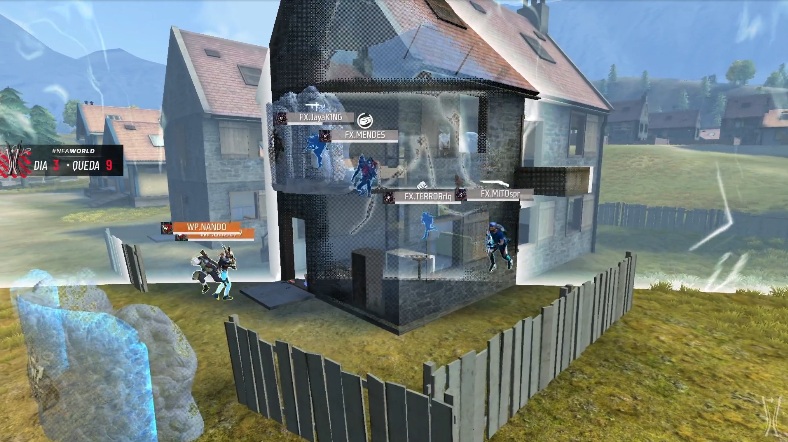
Casual Players vs Competitive Play: The Real Reason for the Reputation
The strongest reason Free Fire is often labeled a “low-skill game” has less to do with player ability and far more to do with player intent.
A large portion of the community approaches Free Fire casually:
Playing on older or lower-end devices
Jumping in for short sessions
Focusing on entertainment rather than long-term mastery
As a result, casual lobbies can look chaotic or unrefined at first glance. That surface-level experience shapes opinions quickly—especially for players judging the game from a few public matches.
Once players move into:
The difference becomes immediately clear. At higher levels, mistakes are punished fast, positioning and timing matter more, and decision quality outweighs raw mechanics.
As Free Fire continues to grow, players engage with the game in very different ways. Some pursue pure competition, while others focus on faster progression through efficient resource management—including decisions around progression systems and Free Fire top up usage.
Neither approach defines “skill” on its own. But understanding this divide helps explain why player experiences in Free Fire can feel so uneven from one match to another.
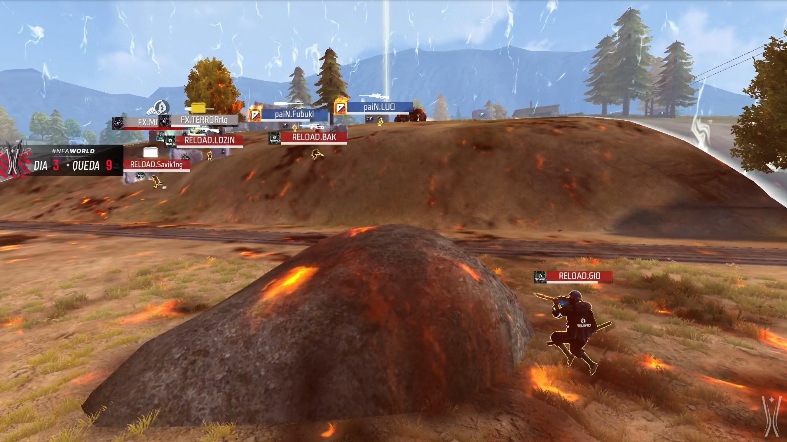
Conclusion: Free Fire Isn’t Low-Skill—It’s Broadly Accessible
Free Fire hasn’t been “taken over” by low-skill players. Instead, it has become one of the most accessible competitive shooters in the mobile gaming market.
What many players label as “low skill” is usually the result of:
A constant influx of new players
Design choices focused on accessibility and speed
A different definition of skill in mobile-first gameplay
In short, Free Fire isn’t easier—it’s built for a wider audience.
Calling that “low skill” isn’t analysis; it’s oversimplification.