

Why Gossip Harbor Events Feel Impossible to Finish
This article explores why Gossip Harbor events often feel manageable at first but become nearly impossible to finish later on. Using real player experiences, it analyzes resource bottlenecks, event timing, progression walls, and player psychology to explain where and why frustration peaks.

50 Surprise Gift Box
$22.44
$30-$7.56100 Surprise Gift Box
$37.4
$50-$12.6500 Surprise Gift Box
$78
$100-$222000 Surprise Gift Box
$218.8
$260-$41.2




A Deep Dive into Late-Game Frustration, Resource Walls, and Player Psychology.
For a lot of long-time players, Gossip Harbor starts out as a genuinely relaxing merge game. Early progress feels smooth, resources seem manageable, and limited-time events look completely doable. Everything clicks—at least in the beginning.
But once players get deeper into the game, especially during events, the tone starts to shift. Across player communities, the same complaint keeps coming up: events feel fair at first, then suddenly turn into something that feels almost impossible to finish.
This isn’t just players being salty. It’s what happens when several game systems start stacking against you all at once—usually right when you’re closest to the finish line.
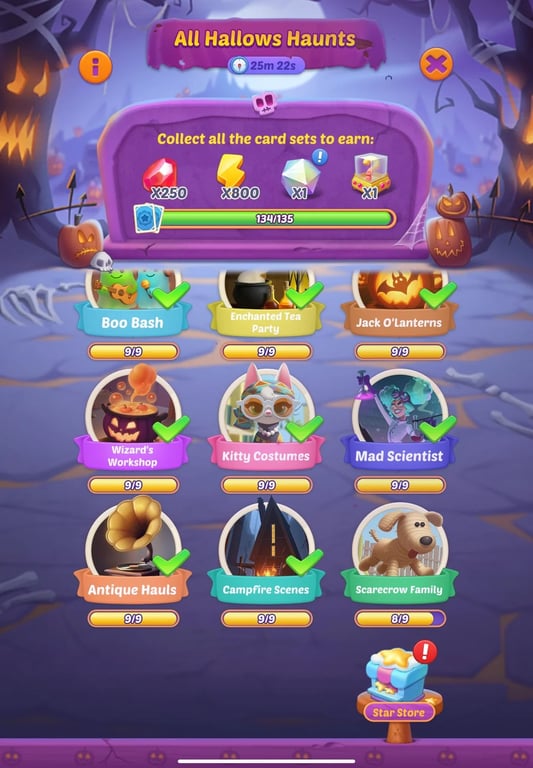
(Gossip Harbor game screenshots)
The Illusion of a Smooth Start
Most Gossip Harbor events are designed to feel generous early on. Tasks line up with normal gameplay, merge chains stay flexible, and progress bars move steadily. That early momentum builds confidence and keeps players engaged.
At this stage, nothing feels out of reach. Orders are reasonable, resource generation keeps pace, and time-gated mechanics don’t interfere much. Players commit, plan ahead, and start assuming they’ll see the event through.
The problem is that this early experience doesn’t reflect what the final stretch actually demands.
When Everything Starts Stacking Against You
Late-game frustration in Gossip Harbor rarely comes from a single mistake. Instead, everything starts piling up at once.
Resource generation slows compared to demand. Orders suddenly require high-tier items with long, rigid merge paths. Time-gated mechanics—like delayed spawns or secondary systems—no longer line up with the event timer. On their own, these systems are manageable. Together, they form a progression wall that just stops you cold.
This is the moment many players realize there’s no clean way to push through anymore, no matter how well they play.
Event Timing Makes Things Worse
One of the biggest pain points for experienced players is timing. Support systems that are meant to help—like special spawn mechanics or side events—often unlock too late to make a real difference.
You technically have access to tools that could help you finish, but not enough time for them to matter. Instead of feeling rewarded for sticking with the event, players feel punished for reaching the hardest part at the wrong moment.
That disconnect turns motivation into frustration fast.
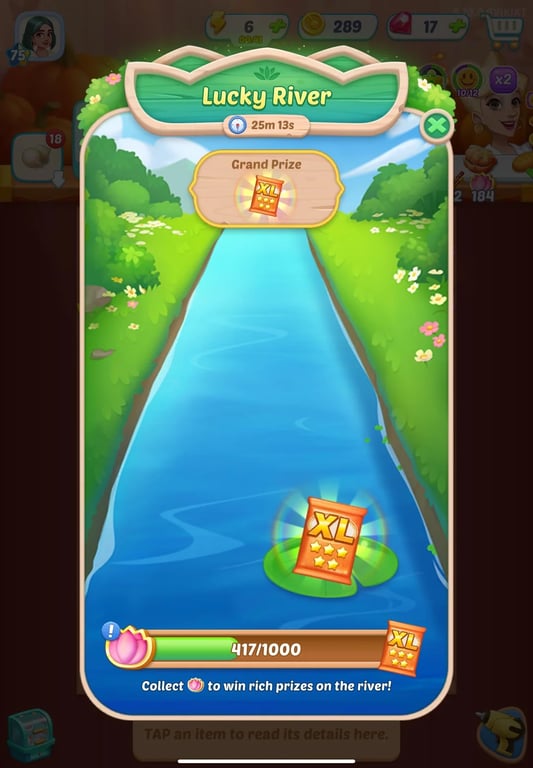
(Gossip Harbor game screenshots)
Why Mid-to-Late Game Players Feel It the Most
Newer players usually don’t hit this wall. They often lack the progression depth needed to even reach late-stage event requirements.
It’s the experienced players who feel it hardest—the ones who understand the systems, manage their boards carefully, and play consistently. They can see exactly what’s required, how close they are, and why the math no longer works in their favor.
That’s what makes the failure sting. It doesn’t feel random. It feels inevitable.
The “So Close” Effect
Being one step away from finishing is far more frustrating than failing early. Gossip Harbor events often place their steepest difficulty spike right at the end.
You can see the rewards. You’ve already put in the time. Walking away feels like throwing everything away—even when pushing forward no longer makes sense.
This finish-line frustration taps straight into loss aversion: the instinct to avoid losing progress, even when the cost keeps climbing.
Feeling the Spending Pressure
At this point, many players notice the same thing: the game suddenly starts pushing offers that promise just enough progress to get you over the line.
What’s interesting is how aware experienced players are of this moment. In community discussions, many openly say they understand the pressure—and choose not to give in.
That awareness changes the narrative. Instead of “I failed,” it becomes “the system stopped me.”
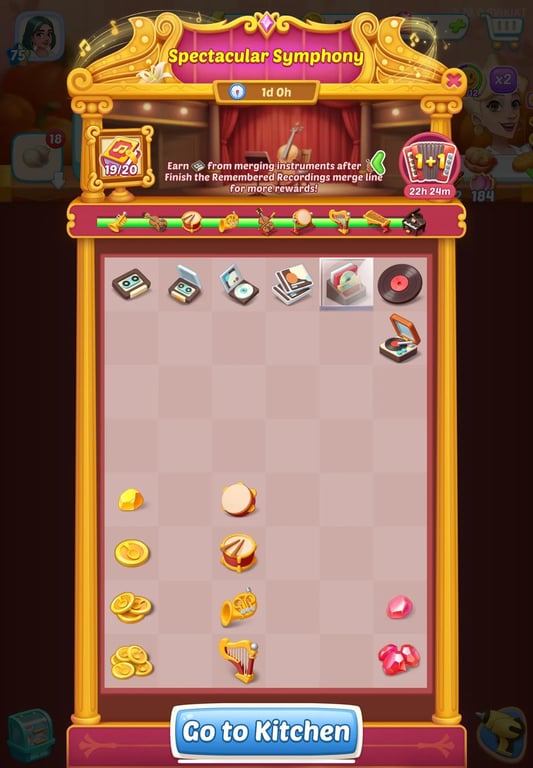
(Gossip Harbor game screenshots)
Planning Ahead vs. Panic Spending
Not everyone reacts the same way. Some players plan weeks ahead, skipping certain events entirely to save resources. Others treat events as optional challenges rather than must-finish goals.
A smaller group takes a more strategic approach, supplementing resources early—before hitting the final wall—sometimes through options like a gossip harbor top up. The difference is intent. Planned support feels controlled. Panic spending driven by frustration doesn’t.
Understanding that distinction is key to enjoying the game long-term.
Is the System Broken—or Doing Exactly What It’s Meant to Do?
From a design standpoint, Gossip Harbor’s event structure isn’t broken. It’s intentionally restrictive.
Not every player is meant to finish every event. Difficulty spikes, limited resources, and time pressure are tools used to control pacing and long-term engagement. Problems arise when players don’t realize those limits until they’ve already invested heavily.
When expectations and reality drift apart, frustration fills the gap.
Making Smarter Choices as a Player
The most consistent advice from veteran players is surprisingly simple: treat events as optional, not mandatory.
Before committing, it helps to ask whether your current resources, time, and progression realistically support finishing. If the answer is no, stepping back early often feels better than pushing until burnout hits.
Knowing where Gossip Harbor tightens its systems—and why—puts control back in the player’s hands.
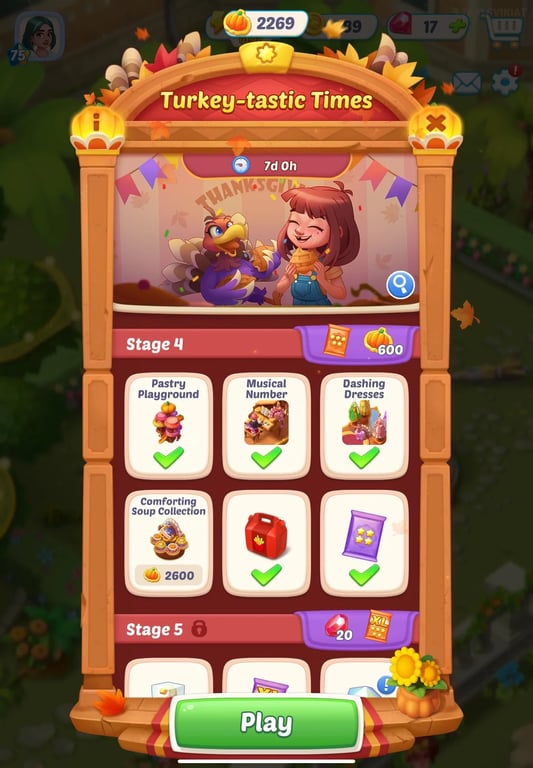
(Gossip Harbor game screenshots)
Final Thoughts
Gossip Harbor events don’t feel impossible because players suddenly get worse. They feel impossible because the rules quietly change near the finish line.
By the time most players notice, the outcome is already decided.
Recognizing this pattern doesn’t just reduce frustration—it changes how you play. Whether that means planning ahead, choosing your battles, or walking away without regret, clarity makes a huge difference.
In a game built around patience and progression, knowing when not to push can matter just as much as knowing how.