
Deep Dive: 8 Hidden Details and Easter Eggs in Wuthering Waves 3.3
 Ellis Brown


With the official launch of Wuthering Waves 3.3, the game has introduced massive main storyline quests and high-difficulty challenges.
Alongside these updates, the developers have implemented numerous hidden designs to enhance immersion and expand the world-building.
This article will objectively break down 8 ingeniously crafted details and mechanics in Wuthering Waves 3.3.
These easter eggs will help you fully understand the current game ecosystem and underlying lore.
- 1. The Final Battlefield: " Aleph-One "'s Graveyard of Civilizations
- 2. " Denia "'s Unique Defeat Animation
- 3. " Hiyuki "'s Dynamic Open-World Interaction
- 4. Visualizing " Aemeath "'s Rescue: The " Tesseract "
- 5. Immersive Questing with Real-Time NPC Participation
- 6. Physics Engine Quirks: Forced Animation Interruption
- 7. " Sentinel " vs. " Exostrider ": Origins and Power Scaling
- 8. UI Display Controls and System Optimization
1. The Final Battlefield: "Aleph-One"'s Graveyard of Civilizations
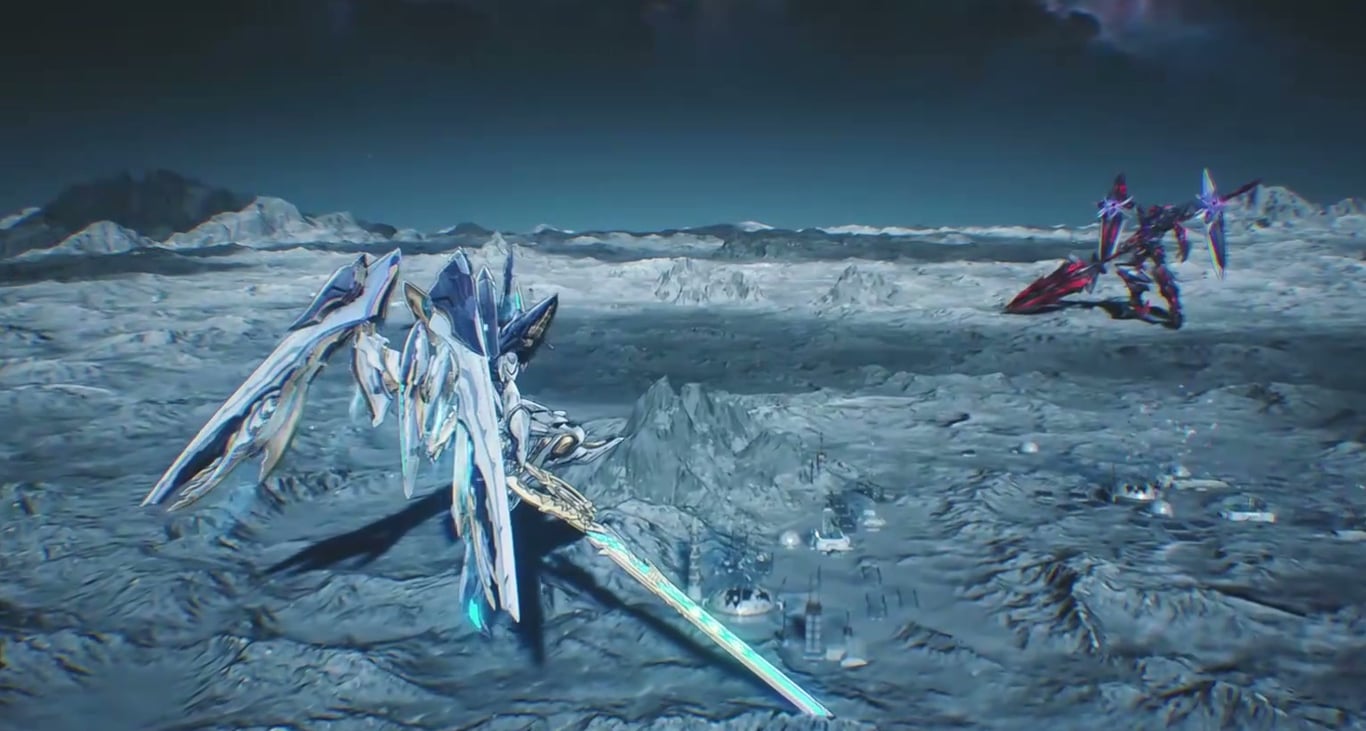
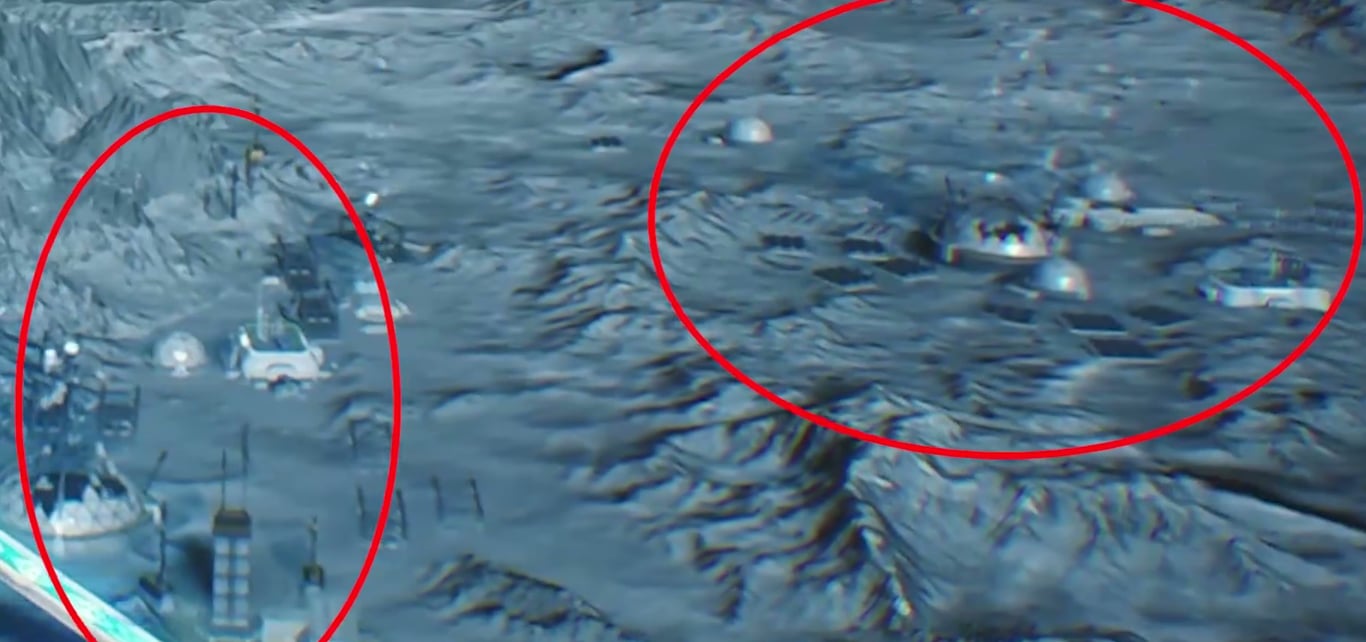
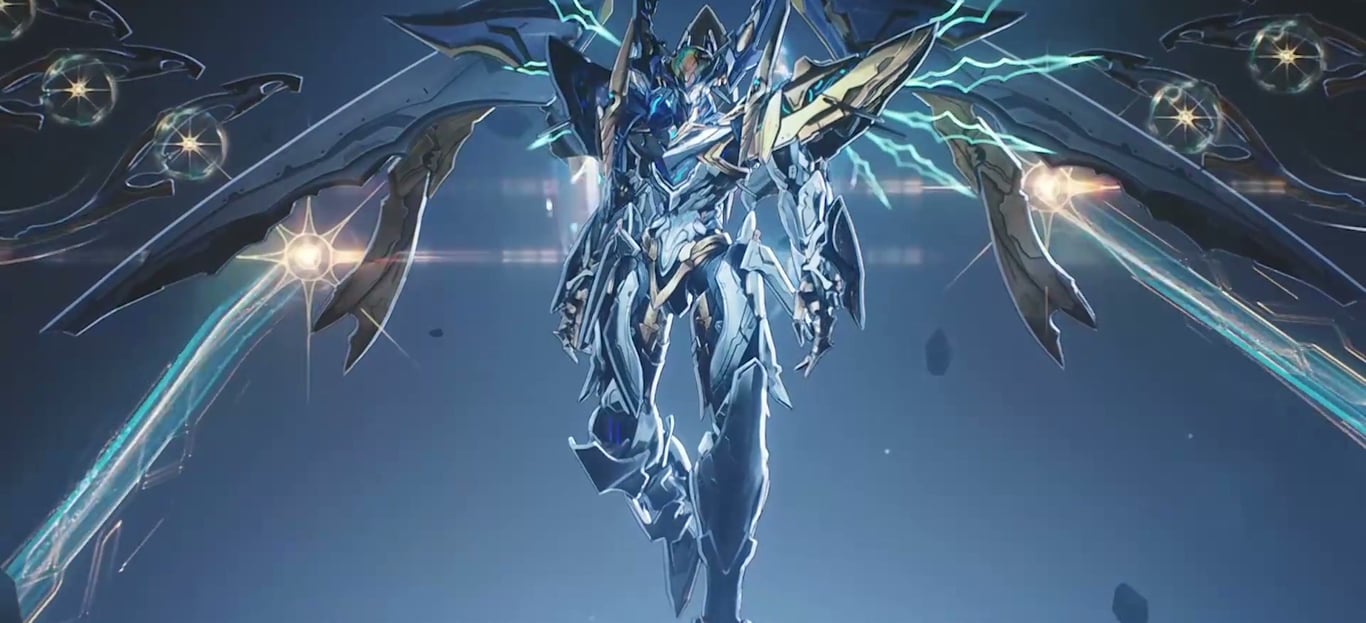
In the finale of Version 3.3, players pilot the "Exostrider" to engage in an epic mecha showdown against the projection of "Aleph-One". Objectively observing the terrain modeling, this arena is not merely a void or a barren wasteland. If you look closely at the ground during combat, you will find it littered with the miniature ruins of various buildings. These ruins appear minuscule only because the "Exostrider" is excessively massive. This environment is essentially the remains of past civilizations devoured by "Aleph-One", highlighting the absolute destructive pressure of the only "Threnodian" known to have annihilated multiple civilizations.
2. "Denia"'s Unique Defeat Animation
"Denia"'s hostility towards "Aleph-One" is not only reflected in the story text but is directly implemented into her combat behavior logic. If you trigger her knockdown state during your fight with her, the game plays a special defeat animation. "Denia" will draw circles on the ground to curse "Aleph-One", ending the animation with an angry foot-stomping action. This detail significantly enriches the character's personality and further confirms the underlying lore of her opposition to "Aleph-One".
3. "Hiyuki"'s Dynamic Open-World Interaction
As a new character in Wuthering Waves 3.3, "Hiyuki" introduces a fresh combat experience with her right-click charged attack. Beyond combat, her skills also showcase a technical breakthrough in dynamically affecting the open-world physical environment. When "Hiyuki" activates the first phase of her Resonance Liberation, she releases a freezing aura around herself. Ground buildings, vehicles, plants, and other objects will instantly freeze, accompanied by a particle effect of falling petals. This dynamic freezing range expands continuously as the Resonance gauge fills, and this physical interaction functions perfectly even indoors.
4. Visualizing "Aemeath"'s Rescue: The "Tesseract"
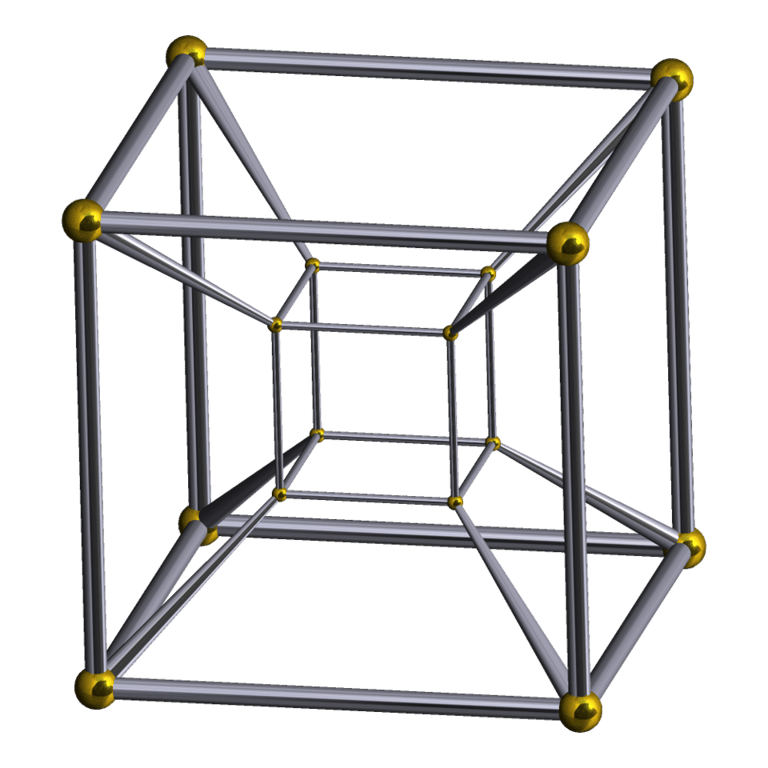
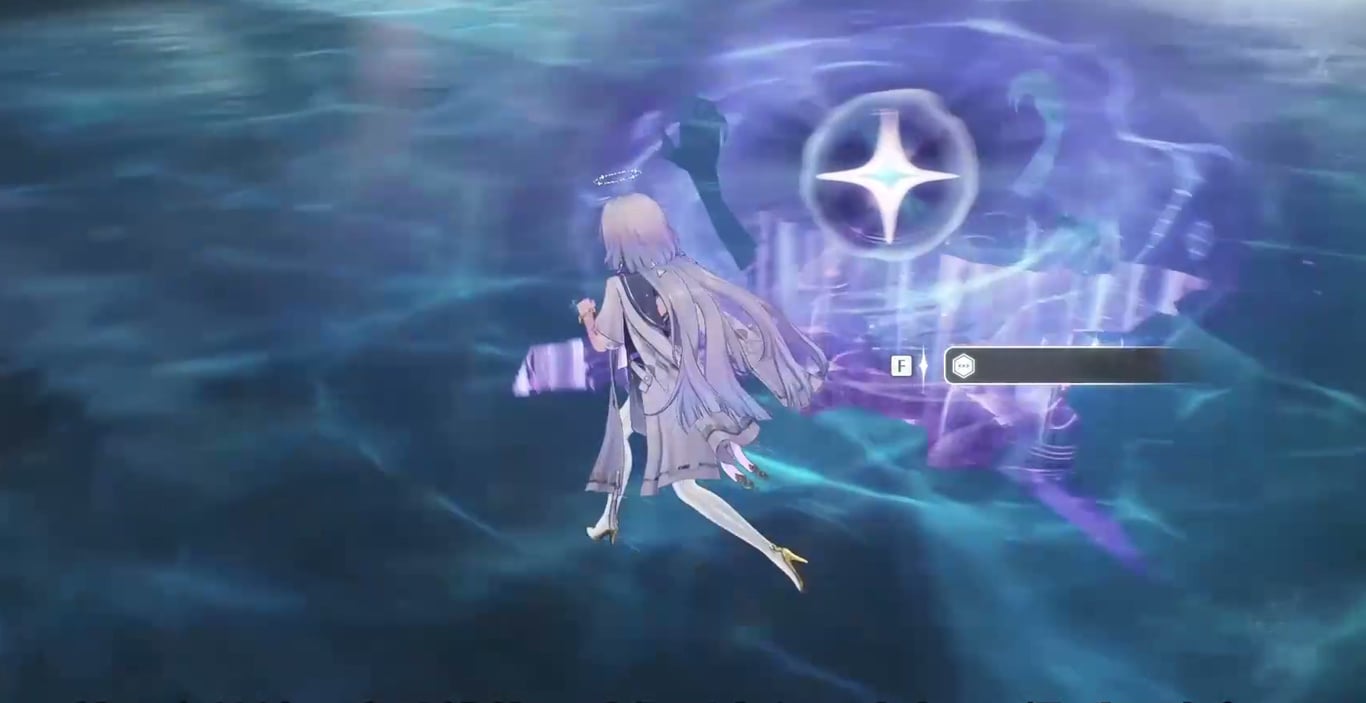
During the storyline where you enter the black hole to rescue "Aemeath", the environment features constantly shifting cube structures. This art design is a homage to classic sci-fi films like Interstellar, introducing the rigorous mathematical and physical concept of the "Tesseract". A "Tesseract" is a mathematical term describing the projection of a four-dimensional cube within a three-dimensional space. Since 3D observers cannot perceive the entirety of a 4D object, the game visually simulates this by showing the "Tesseract" continuously flipping and morphing. This design successfully materializes complex dimensional concepts, enhancing the sci-fi depth of the Voidspace abyss.
5. Immersive Questing with Real-Time NPC Participation
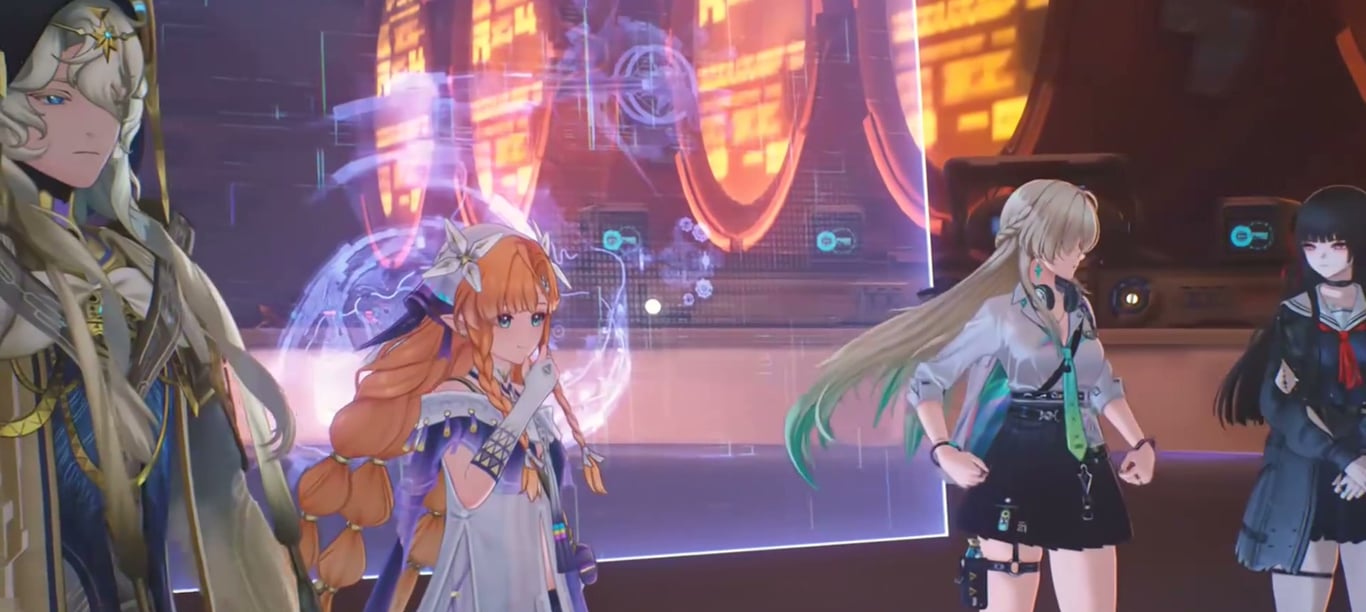
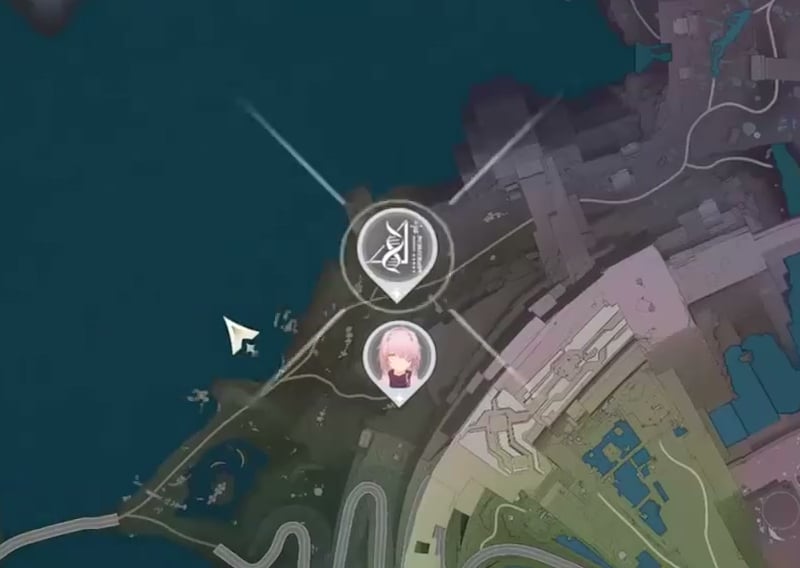
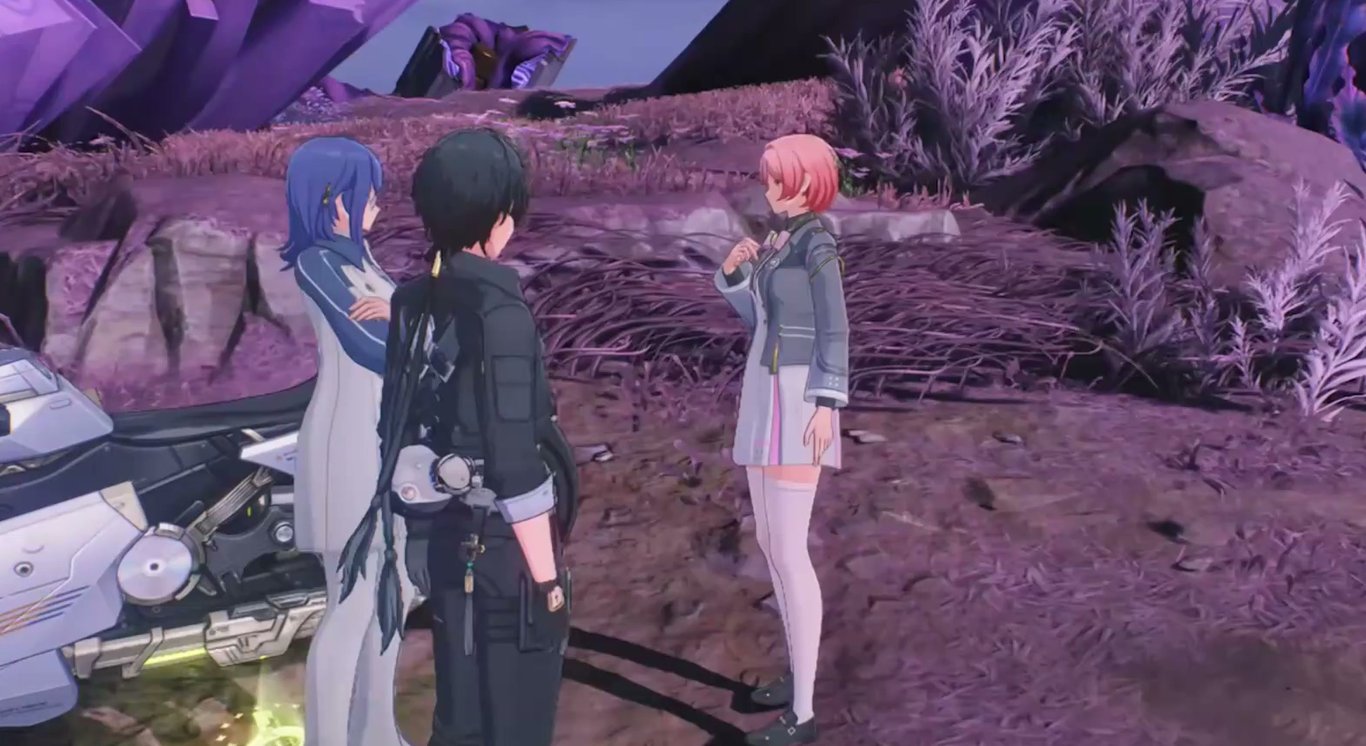
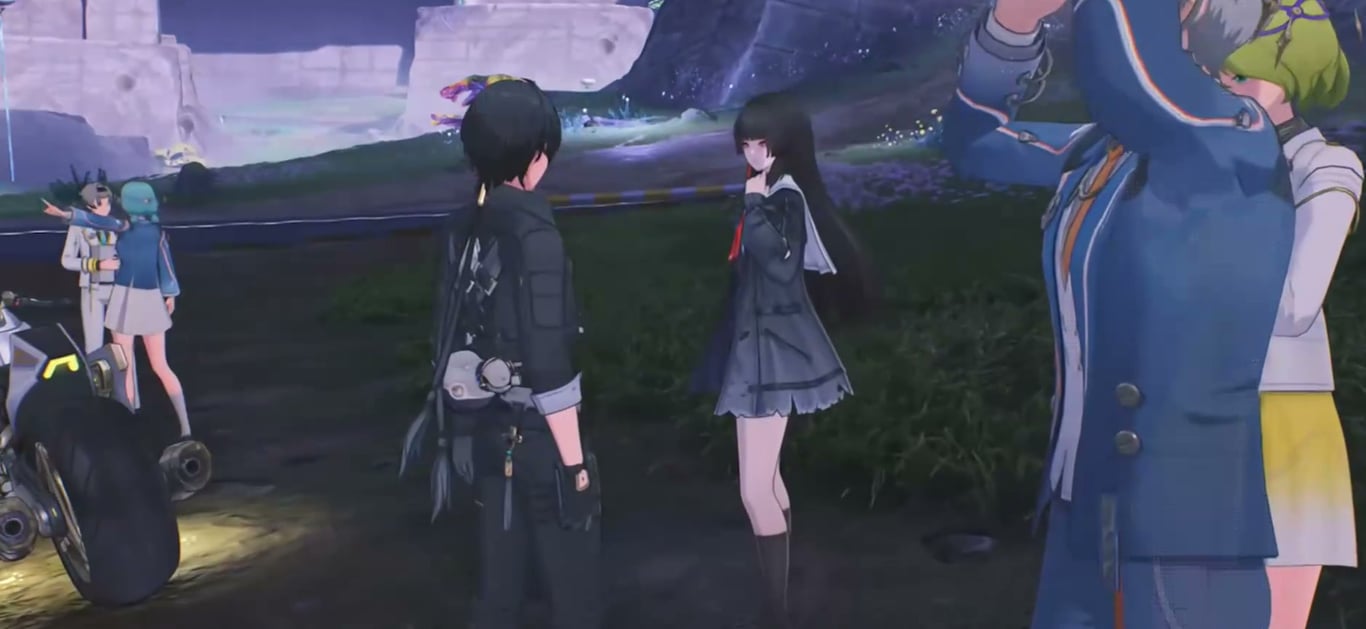
During the main quest where players must find runes in three dangerous zones, the developers abandoned the traditional "black screen with white text" transitions. Instead, the underlying system logic genuinely dispatches other faction characters and researchers to perform concurrent tasks. Players can click on other characters' avatars on the map to teleport to different rune spawn points. In these areas, you can see parked motorcycles, researchers analyzing runes, and even engage in real-time dialogue to "inspect" their progress. This non-mandatory design significantly strengthens the realism of the world-building and player immersion.
6. Physics Engine Quirks: Forced Animation Interruption
Due to the game's physics engine, the invincibility frames and camera movements of a Resonance Liberation can be forcefully interrupted under specific conditions. A highly reproducible method is to park your motorcycle on a body of water and cast a Resonance Liberation right as the ice melts. Although the system will still trigger the ultimate's particle effects and camera angles, the character's physical model will lose its collision box and fall directly into the water. This creates a rather comical phenomenon of forced animation interruption.
7. "Sentinel" vs. "Exostrider": Origins and Power Scaling
Regarding the debate over the combat strength of a "Sentinel" versus an "Exostrider", the in-game document "Etched Plains Exploration Report" provides an official answer. The two share highly homologous underlying structures. Generally, a "Sentinel" possesses higher divinity and wisdom, wielding unique authorities like "space-time manipulation" or "prophecy," but their raw combat power is relatively lower. Conversely, an "Exostrider" is designed purely as a weapon of war with immense combat and mobility capabilities, lacking the intellect to guide civilizations. However, the "Exostrider" in Lahai-Roi is the sole exception. By acquiring a human-made heart at the end of the story, it gained human-like thought processes, effectively ascending to the status of a "Sentinel". Given its superior baseline combat strength, this mecha is likely the most powerful "Sentinel" to ever appear in the game's universe.
8. UI Display Controls and System Optimization
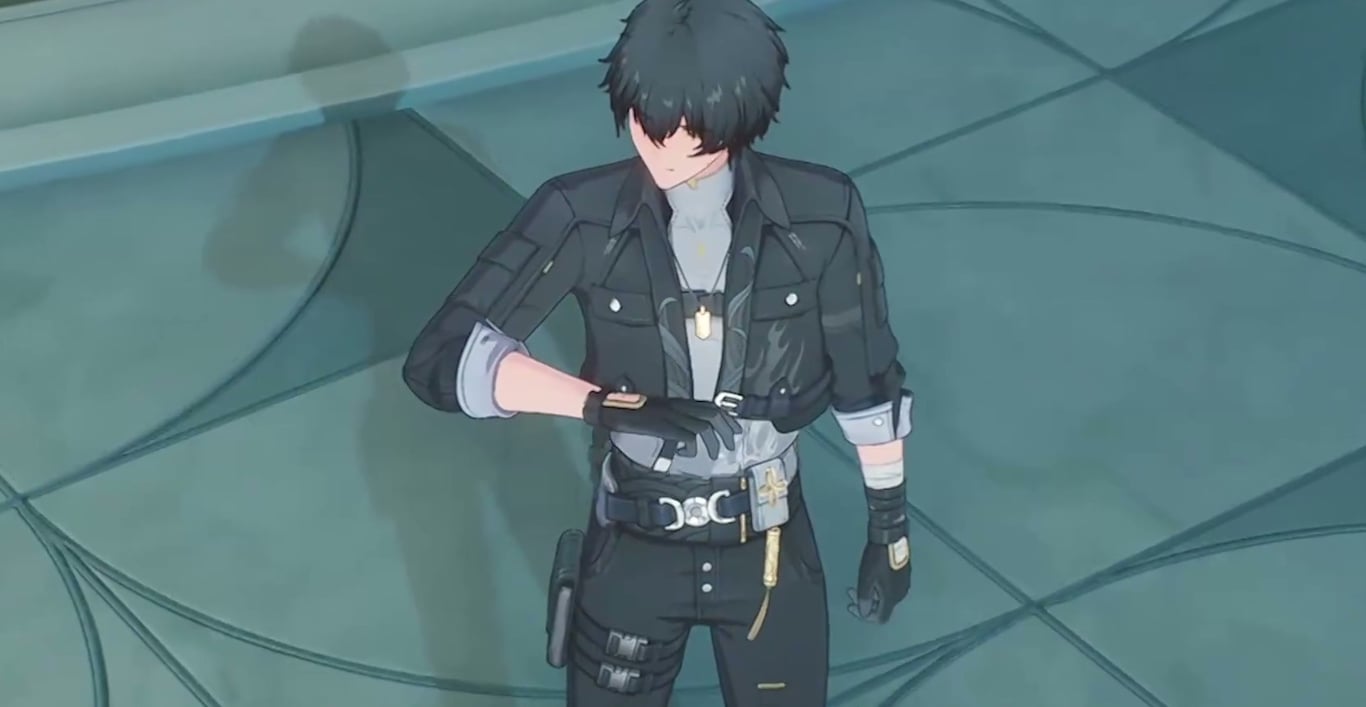
To pursue ultimate immersion and cinematic storytelling, Wuthering Waves 3.3 has added more customization options in the settings menu. Players can now actively toggle the "Hide Names" and "Hide Motorcycle UI" functions. Stripping away cluttered UI elements allows players to focus entirely on the vastly improved camera work during cutscenes and open-world driving. Additionally, the developers have implemented multiple underlying optimizations to older systems. These include changing the Rover's idle animation from looking at a gourd to inspecting their tacet mark, streamlining the Guidebook panel, and overhauling the previously repetitive domain entrance designs.


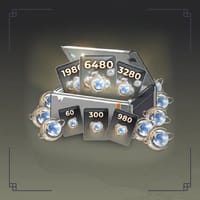
- 6480 + 1600 Lunites Limited Offer$71.99-$28$99.99
- Lunitas All-In-One Bundle$164.82-$36.12$200.94
- Insider Channel$7.39-$2.6$9.99
- Connoisseur Channel$14.78-$5.21$19.99
- Lunite Subscription$3.69-$1.3$4.99
- 60 Lunites$0.73-$0.26$0.99
- 300 Lunitas$3.69-$1.3$4.99
- 980+110 Lunites$11.08-$3.91$14.99
- 1980+260 Lunites$22.18-$7.81$29.99
- 3280+600 Lunites$36.97-$13.02$49.99
- 6480+1600 Lunites$76.99-$23$99.99
- 6480+1600 Lunites*3$250.97-$49$299.97
- 6480+1600 Lunites*5$424.96-$74.99$499.95
- 6480+1600 Lunites*10$859.91-$139.99$999.9
- Weekly Subscription$7.39-$2.6$9.99
- Lunar Causality$7.39-$2.6$9.99
- Horizon Lookout$7.39-$2.6$9.99
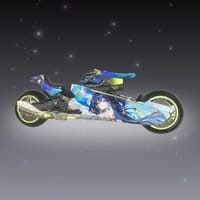
- Voyaging Star Chassis Set$18.48-$6.51$24.99