

Is Last War Pay to Win?

Last War
A Realistic Breakdown of Spending, Server Age, and Survival Strategy.
“Is Last War pay to win?”
It’s one of the most searched — and most misunderstood — questions about Last War: Survival Game.
Some players believe whales control everything.
Others insist F2P players can thrive with discipline.
The truth is more structural than emotional.
Last War isn’t simply pay to win.
It is better described as:
Pay to Control the Tempo.
And once you understand the tempo, the entire system becomes clearer.
Let’s break it down properly.
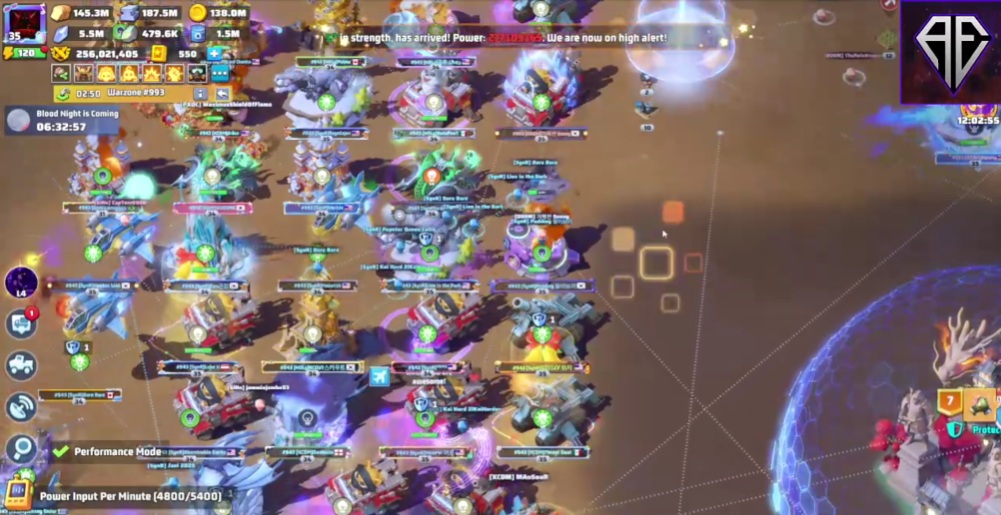
What “Pay to Win” Actually Means
Before evaluating Last War, we need a clean definition.
In strategy games, pay-to-win usually falls into three models:
Hard Paywall – Content locked behind spending
Acceleration Model – Spending compresses time
Dominance Model – Spending enables long-term suppression
Last War does not lock content.
But it absolutely compresses time.
The real question isn’t:
Can you play without paying?
The real question is:
Can you stay aligned with the server tempo without paying?
This misunderstanding is exactly what causes many players to hit the mid-game wall
Early Game (Day 1–30): The Equality Phase
In the first month, Last War feels surprisingly balanced.
Resources are abundant
Map control is fluid
Alliance hierarchy isn’t fixed
Activity matters more than spending
At this stage, F2P players can remain competitive through:
Efficient build sequencing
Smart research timing
High alliance activity
This is why many players initially believe:
“This game isn’t pay to win.”
But early-game balance is temporary.
The system is designed to scale pressure gradually.
The shift happens around Day 45–60.
The Mid-Game Wall (Day 45–60): Where Spending Converts to Structure
This is the stage where player retention drops sharply.
By mid-game:
Upgrade costs grow exponentially
Research timers extend dramatically
Gear progression becomes resource-heavy
Server power hierarchy stabilizes
This is the true structural turning point.
Spending begins to convert into:
Territory control
Alliance anchoring
War timing influence
Event leaderboard consistency
This scaling shock is analyzed in detail in why players quit before Day 60
Here’s the key distinction:
Last War becomes pay to dominate alliances,
not necessarily pay to survive individually.
An F2P player can still survive.
But they are unlikely to control.
Control — not survival — is where spending truly matters.
Server Age: The Most Underrated Multiplier
Spending impact depends heavily on server age dynamics
New Servers
Spending has maximum political influence.
Early whales can shape alliance hierarchy permanently.
Mid-Age Servers
Structures are already formed.
Spending still helps, but marginal influence decreases.
999+ Servers
These environments often feature:
Multi-account ecosystems
Coordinated alliance blocs
Mature diplomatic systems
In many 999+ servers
Organization can outweigh raw spending.
Spending impact is non-linear. If you want a clearer breakdown of how each stage actually plays out from early server life to mature-server politics, see our Last War server timeline guide for the full progression picture.
Timing > Amount.
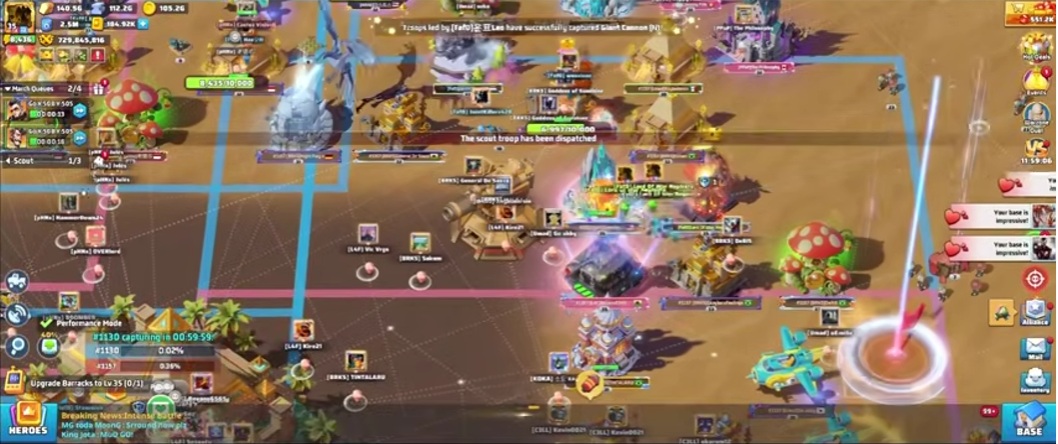
Alliance Structure > Individual Strength
Last War is not an individual power race.
It’s an alliance ecosystem.
Understanding alliance choice strategy
is often more important than raw spending.
A medium spender inside a dominant alliance
can outperform a whale inside a poorly managed one.
Choosing the wrong alliance can:
Limit event access
Restrict territory control
Reduce protection
Stall long-term growth
If you're unsure how to evaluate alliances properly, see how to choose the right alliance in Last War In structural games, organization beats ego.
What Spending Actually Buys
Many players assume whales automatically win.
But high-level accounts — especially in mature servers — often:
Maintain multiple accounts
Centralize resource flow
Spend strategically during high-impact windows
The reality of whale spending breakdowns shows that spending primarily buys:
Margin for error
Faster rebuild cycles
Leaderboard consistency
Diplomatic leverage
Protection against pacing mistakes
Spending removes many progression traps, but choosing the right packs still matters if you want efficient value rather than wasted spend—especially when comparing the best Last War packs to buy.
Why Last War Feels Pay to Win (Psychological Layer)
Even when structurally nuanced, the game feels P2W.
Why?
1. Visibility Bias
Whales are visible.
Efficient F2P players are not.
2. Compression Shock
Mid-game scaling hits suddenly.
Players interpret scaling pressure as unfairness.
3. Alliance Amplification
One whale inside a top alliance looks like overwhelming dominance.
4. Control vs Survival Confusion
Players confuse “not leading” with “losing.”
Most players are not losing.
They are losing control.
And loss of control feels like unfairness.
This emotional perception fuels the P2W debate.
But structurally, the system is more layered.
So… Is Last War Pay to Win?
Let’s answer clearly:
Pay to access content? → No
Pay to progress faster? → Yes
Pay to control alliance politics? → Yes
Pay to survive long-term? → No
Pay to enjoy daily gameplay? → No
The most accurate conclusion:
Last War is Pay to Control the Tempo.
If your goal is server dominance, spending accelerates that path massively.
If your goal is strategic longevity, spending is optional — but understanding server tempo, alliance structure, and scaling economics is mandatory.
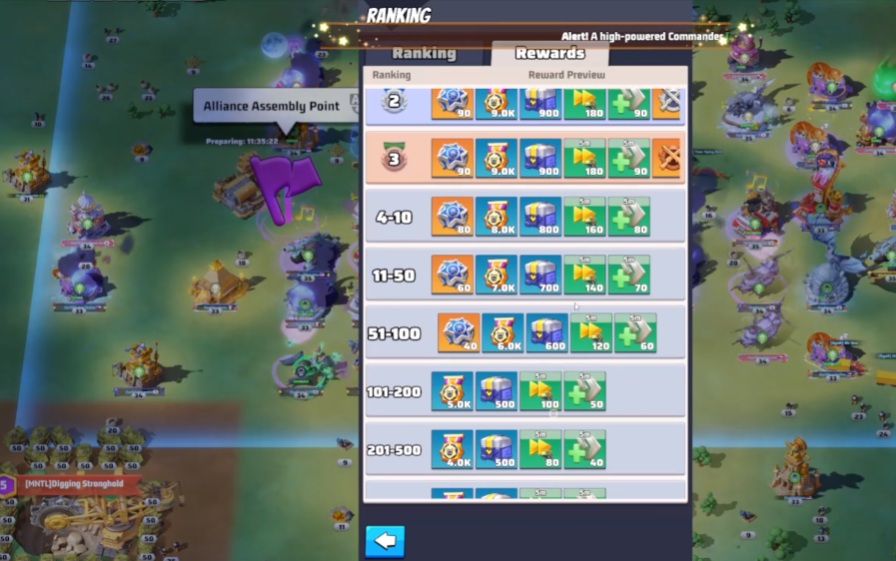
Final Takeaway
Players don’t quit because the game is pay to win.
They quit because they:
Misjudge server age impact
Choose weak alliances
Ignore scaling economics
Upgrade without timing strategy
Last War rewards structure.
It punishes misalignment.
And in a tempo-driven strategy ecosystem,
understanding timing is often more powerful than simply paying for it.
Choose the bestLast War:Survivalproducts
