

Last War Server Timeline Guide: Essential Server Age Strategy

This Last War Server Timeline Guide explains how server age reshapes progression, alliance value, spending impact, and long-term survival from Day 1 to mature-server play. Written from a long-term player perspective, it shows what changes at each phase and how to adapt before falling behind.
If you have played Last War long enough, you will notice one important truth: the game changes as your server ages.
Many players think they suddenly fell behind because they missed one event, made one bad upgrade, or got outspent at the wrong time. In most cases, that is not the real reason.
What actually happened is simple. The server entered a new phase, but they kept using an old strategy.
That is why server age matters so much in Last War.
A decision that works on Day 10 may be inefficient by Day 50. An alliance that feels acceptable early can slow your growth later. Spending habits that help in the early game may lose value as competition increases.
From a long-term perspective, Last War is not one static game. It changes through several progression stages, and each stage rewards different decisions.
This Last War Server Timeline Guide explains what changes from early servers to mature servers, why many players fall behind, and how to adjust your strategy at every phase to stay competitive without wasting progress.
Secure Your Last War Top Up with Smart Savings on KeyGold
Enjoy better value on Last War top up at keygold.gg.
Get fast delivery for uninterrupted gameplay.
Shop with a secure and user-friendly top-up process.
Save more while keeping your game wallet protected.
Claim your coupon now and power up your Last War progress.
Last War Server Timeline Guide: How Server Age Changes Progression
Most players judge progress by looking only at their own account.
They check power, hero levels, upgrade timers, and daily activity. Those things matter, but they do not explain why two players with similar effort can end up in completely different positions.
The missing factor is server age.
As a server gets older, Last War changes around you. Resource value shifts. Event competition becomes tougher. Alliance structure matters more. Recovery windows get shorter. Mistakes also become harder to fix.
That is why the same strategy can feel strong on Day 10 but weak by Day 50.
On a young server, activity can still carry you.
On a maturing server, structure starts to matter more.
On an old server, organization often matters more than raw grinding.
This is why many players misread their own progress. They are not always falling behind because they are inactive or careless. In many cases, they are reacting too late to a server-phase change they did not recognize.
To understand the bigger picture behind progression pressure, spending gaps, and alliance advantage, see our guide on why Last War is not just about spending
Stage 1: Day 1 to Day 14 — The Illusion of Equal Progress
The first two weeks of Last War can feel surprisingly fair.
Resources are tight but manageable. Upgrades finish quickly. Events feel reachable. Map control is still loose, and most alliances are still figuring out their identity.
This creates the illusion that everyone is progressing on equal ground.
At this stage, activity has a clear payoff. If you log in often, gather efficiently, build consistently, and complete events, your account grows fast. That is why many new players assume Last War is mainly about discipline.
That is only partly true.
The early game is not where the biggest mistakes are punished. It is where they are planted.
Many players start making choices that feel efficient in the moment but weaken their account later. They upgrade too broadly, spend speed-ups on low-impact gains, push cheap but low-value tech, or spread resources across too many systems too early.
The problem is that these choices do not look wrong yet. They look productive.
That is why veteran players focus less on “growing fast” in the first two weeks and more on avoiding weak scaling. Many of these early errors are covered in our guide to progression mistakes in Last War
What matters most in this stage
Keep your build path clean.
Do not upgrade everything just because it is available. Do not treat early power as proof of long-term efficiency. Most importantly, do not confuse visible growth with a strong account structure.
In the first two weeks, bad choices are cheap to make. That is exactly what makes them dangerous.
Stage 2: Day 15 to Day 30 — The First Sorting Phase
By the second half of the first month, the first real separation starts to appear.
Server life no longer feels completely random. Active players become more stable, event rewards start compounding, and stronger alliances begin pulling away from loose casual groups.
This is the first sorting phase.
Many players still think the solution is to simply play harder. Sometimes that helps, but it is no longer enough by itself.
At this stage, alliance quality becomes one of the biggest hidden multipliers in Last War. A weak alliance does not just slow your growth. It limits event rewards, lowers protection, reduces coordination, and quietly shrinks your future options.
That is why Day 15 to Day 30 is the right time to judge whether your current alliance has real long-term potential.
Do not look only at alliance rank. Look at leadership, communication, activity consistency, event coordination, and whether weaker players are being developed instead of treated as disposable filler.
A lot of players wait too long to ask those questions, and by the time they do, the damage is already done. That is why alliance choice in Last War matters much earlier than most players expect.
What matters most in this stage
Use this phase to judge your environment honestly.
If your alliance has weak leadership, poor communication, or constant internal chaos, it is not “too early to worry.” This is the point where small alliance problems begin turning into long-term account problems.
Stage 3: Day 30 to Day 45 — The Comfort Trap Before the Wall
Day 30 to Day 45 is one of the easiest phases to misread.
Your account may still look healthy. Dailies are getting done, power is still rising, and upgrades are still moving. You may not feel dominant, but you also do not feel completely stuck.
That is what makes this phase dangerous.
By now, the server has already started hardening. Earlier resource decisions begin showing consequences. Alliance placement matters more. Event rewards are no longer just extra bonuses — they are becoming pace-setting advantages.
This is where many players overestimate their stability.
They assume that because their account is still active, their foundation must be strong. In reality, weak scaling can hide behind normal activity for weeks.
You are still progressing, but you may not be progressing toward a strong mid-game position.
Veteran players treat Day 30 to Day 45 as the final preparation window before the mid-game wall. If you are still playing like it is early game, you are likely walking into that wall unprepared.
What matters most in this stage
Do not judge your account only by current power.
Judge whether your account is ready for rising upgrade costs, longer timers, stronger alliance pressure, and more competitive events.
If the answer is no, the server is already closer to changing than you think.
Stage 4: Day 45 to Day 60 — The Mid-Game Wall
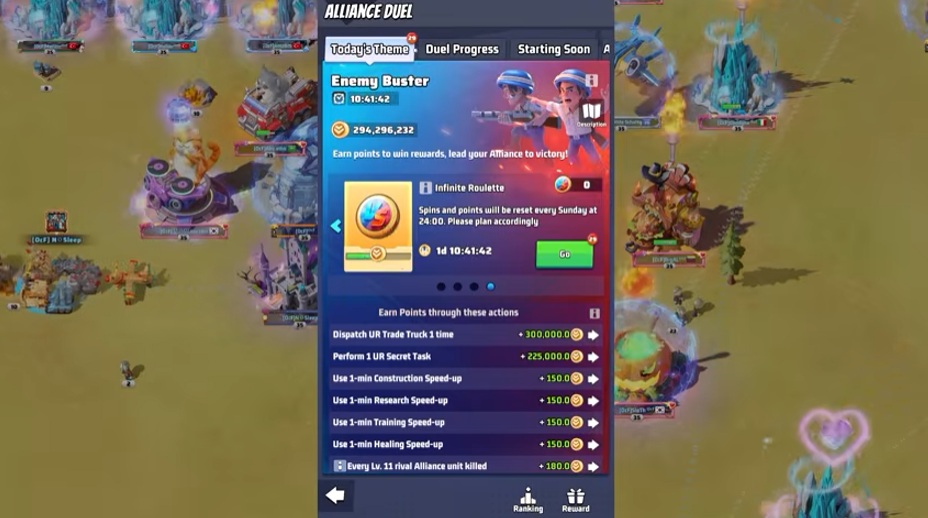
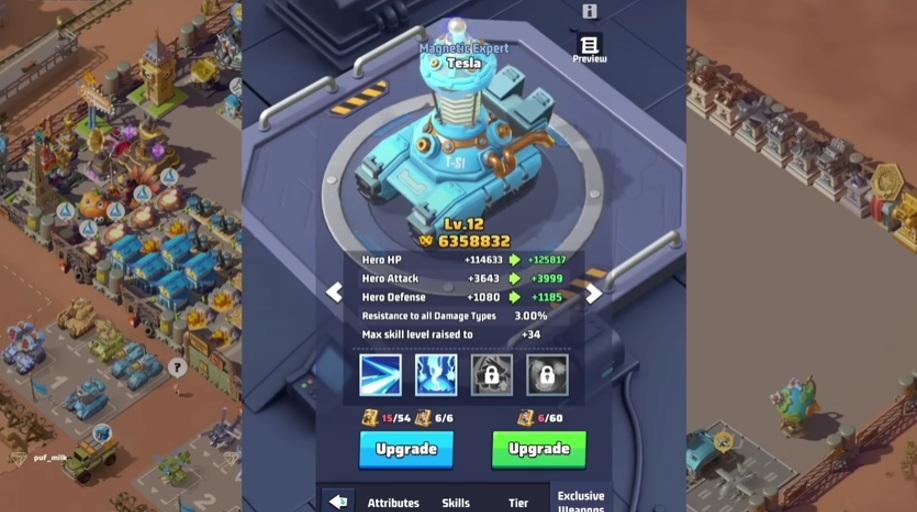
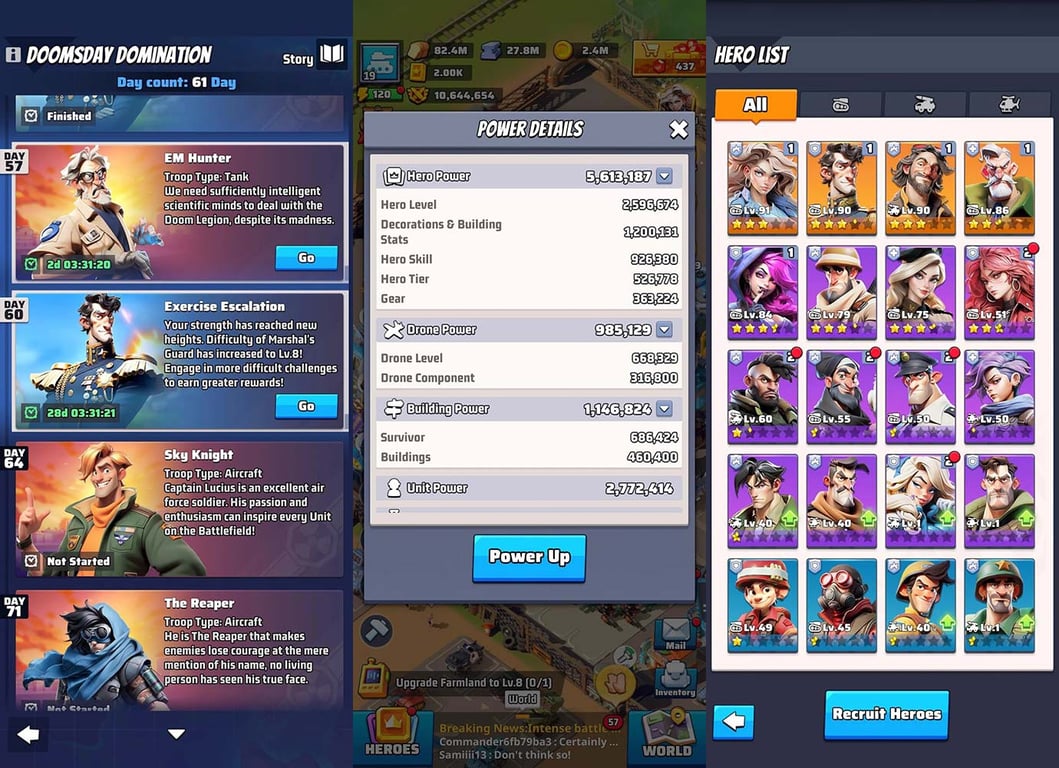
For many players, Day 45 to Day 60 is when Last War starts feeling different.
The game has not suddenly become unfair, and you have not forgotten how to play. The server has simply entered a new phase.
At this point, Last War starts rewarding alignment more than simple activity.
Upgrade costs get heavier. Research timers become longer. Gear progression demands more planning. Alliance hierarchy becomes more stable, and event competition gets sharper. Mistakes also take longer to fix.
This is when many players realize that grinding harder no longer solves everything.
Some players describe this phase as burnout. Others call it pay-to-win pressure or bad game design. In many cases, what they are really feeling is the server becoming more structured and less forgiving.
Spending also works differently here. In the early game, spending mostly feels like acceleration. During the mid-game wall, it starts affecting timing, rebuild speed, event consistency, and whether you can stay aligned with key server windows.
For players who want to stay efficient without overspending, choosing the right Last War top up option matters more here than it did in the early game.
That is why so many players begin quitting during this window, and why players leave before Day 60 is such a common pattern on growing servers.
What matters most in this stage
Stop asking, “Why am I not catching up?”
Start asking, “What changed in the server, and am I still aligned with it?”
That question matters more than almost anything else during the mid-game wall.
Stage 5: Day 60 to Day 90 — Power Becomes Structural
By Day 60 to Day 90, most Last War servers stop feeling like open races.
They start feeling organized.
In the early game, power feels personal. You grow faster because you log in more, build smarter, or spend more efficiently. By this stage, power becomes structural.
Top alliances are no longer just ahead in points. They are settled into stronger positions. Their event performance is more consistent, their coordination is cleaner, their protection is stronger, and their members often get better value because the alliance environment multiplies their progress.
This is where many players make two common mistakes.
The first mistake is thinking they can still close the gap by grinding harder.
That is usually not enough.
The second mistake is thinking they can brute-force their way back by spending harder.
That is also unreliable.
By Day 60 to Day 90, the real question is no longer just who has power. It is who belongs to the structure that turns power into control.
Many players also realize they are not only competing with individual whales. They are competing with whale networks, stable alliances, better timing, and more efficient systems. That is why understanding how whales shape power in Last War becomes important at this stage
What matters most in this stage
Decide what kind of player you are trying to be.
If you are not realistically playing for server control, stop spending and planning like you are. This is the stage where redefining success becomes more valuable than chasing an impossible gap.
Stage 6: Mature Servers — Why the Game Feels Completely Different
Once a server reaches maturity, Last War no longer feels like the game most players remember from the opening month.
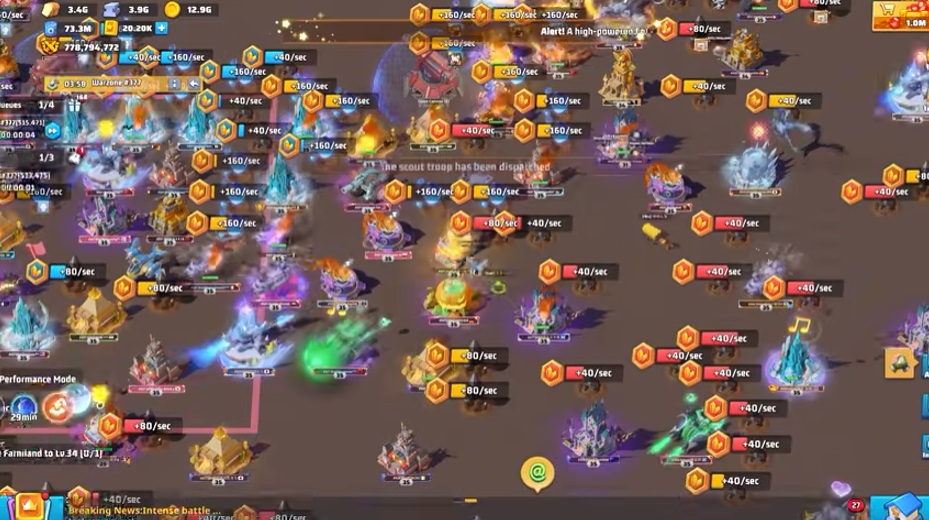
By this stage, the core systems are already understood. Strong alliances know how to maximize events, control timing, manage diplomacy, protect key players, and turn every major system into long-term advantage.
That is why mature servers can feel oppressive to players who are still using younger-server logic.
The difference is not only that other players are stronger. The difference is that the server is more organized, less forgiving, and much harder to read from an individual account perspective.
Alliance blocs are established. Political patterns are clearer. Multi-account ecosystems are more common. Veteran players know where value comes from, and recovery windows are much smaller.
At this stage, raw spending still matters, but it is no longer the only reason certain players or alliances dominate. Timing, structure, diplomacy, and organization can matter just as much as wallet size.
That is why experienced players on older servers often talk less about brute force and more about efficiency, positioning, and server politics.
What Matters Most in This Stage
Stop seeing the server as a simple progression race.
Start seeing it as an ecosystem.
If you only judge mature-server play by your own account growth, the game will feel confusing and unfair. To survive on an older server, you need to understand how alliances, timing, politics, and resource control interact.
What Most Players Misunderstand About Server Progression
Most confusion about Last War’s server timeline comes from one problem: players expect every phase to reward the same behavior.
That is not how the game works.
Many players assume that activity will always keep them relevant, early mistakes can always be fixed later, and spending can make up for missed phases. They also underestimate how much a weak alliance can limit their long-term growth.
These assumptions are dangerous because they are partly true in the early game.
In the first few weeks, activity matters a lot. Mistakes are easier to repair. A weaker alliance may not feel like a serious problem yet. But as the server ages, those same weaknesses become much harder to ignore.
Aging servers do not just get harder. They get more selective.
Last War starts rewarding players who match the server’s current structure and punishing players who keep using early-game logic in a more competitive environment.
That is why many players do not fall behind all at once.
They fall behind slowly, then notice it suddenly.
How to Adapt at Each Stage Instead of Falling Behind
The most important lesson in this Last War Server Timeline Guide is simple: do not play every server phase the same way.
Each stage rewards different decisions. If you keep using early-game habits on an older server, you will eventually fall behind even if you stay active.
Day 1 to Day 14
Play clean. Avoid overbuilding, scattered upgrades, and low-value spending. Do not confuse cheap upgrades with smart upgrades.
Day 15 to Day 30
Evaluate your alliance honestly. Look for stable leadership, clear communication, event coordination, and long-term potential. Do not stay in a weak alliance just because it feels convenient.
Day 30 to Day 45
Prepare before the server shift becomes obvious. Watch event rhythm, resource usage, upgrade priorities, and whether your account is actually scaling well.
Day 45 to Day 60
Do not react emotionally when progress slows. Ask whether the problem is structure, not just pace. This is where bad resource decisions and rushed spending can create long-term regret.
Day 60 to Day 90
Redefine your goals. Decide whether you are trying to compete for server control, stay efficient, or remain relevant inside a strong alliance structure. Those are different goals and require different choices.
Mature Servers
Respect the ecosystem. At this stage, discipline, timing, alliance position, diplomacy, and server literacy often matter more than one more burst of spending.
FAQ: Last War Server Timeline Guide
When does Last War start getting harder?
Last War usually starts feeling harder around Day 45 to Day 60. This is when upgrade costs rise, research timers get longer, alliance hierarchy becomes clearer, and event competition starts punishing players who are not aligned with the server’s pace.
Why do players fall behind as a Last War server gets older?
Players often fall behind because they keep using early-game habits on an older server. As the server matures, alliance position, resource timing, event performance, and long-term account structure become more important than simple daily activity.
What is the most important stage in the Last War server timeline?
Day 30 to Day 60 is usually the most important transition window. Day 30 to Day 45 is the preparation phase, while Day 45 to Day 60 is where many players hit the mid-game wall and realize that activity alone is no longer enough.
Does spending matter more on older Last War Survival Game servers?
Yes, but spending becomes more timing-based. On older servers, random spending is less effective. The best value usually comes from matching purchases with key event windows, alliance goals, rebuild needs, and long-term progression plans.
Should I restart on a new Last War server if I fall behind?
Restarting can help if your account is badly managed or trapped in a weak server environment. However, it is not always necessary. Before restarting, check whether the real issue is account structure, alliance position, wasted resources, or unrealistic goals.
Should I leave a weak alliance in Last War?
If your alliance has poor leadership, weak event coordination, or declining activity, leaving early is often better than staying too long. Weak alliances usually become a bigger problem as the server matures.
Can free players compete with whales in Last War Survival Game?
Free players usually cannot match whale power directly, but they can stay competitive through alliance position, timing, efficient upgrades, and smart resource use inside a strong alliance.
Is it better to start on a new server in Last War?
New servers are usually better for fresh progression races, while older servers reward experienced players who understand alliance politics, timing, and long-term strategy.
Why is my power growing slower in Last War?
Slow power growth often comes from poor upgrade priorities, weak alliance rewards, bad event timing, inefficient spending, or entering a more competitive server phase where progress becomes harder to maintain.
Final Takeaway: Every Last War Server Has a Point Where the Game Changes
Most players do not fall behind in Last War because they are lazy.
They fall behind because they keep using the same strategy after the server has already changed.
That is the real lesson of server age.
As your server matures, the value of each decision changes. Mistakes become more expensive, alliance position matters more, event timing becomes more important, and simple activity stops being enough.
This is why server progression is not just about growing faster. It is about recognizing when the game has entered a new phase and adjusting before the pressure becomes obvious.
The strongest long-term players are not only the ones who know how to build their account.
They are the players who understand when the server itself has changed — and adapt before everyone else is forced to.
Choose the bestLast War:Survivalproducts
