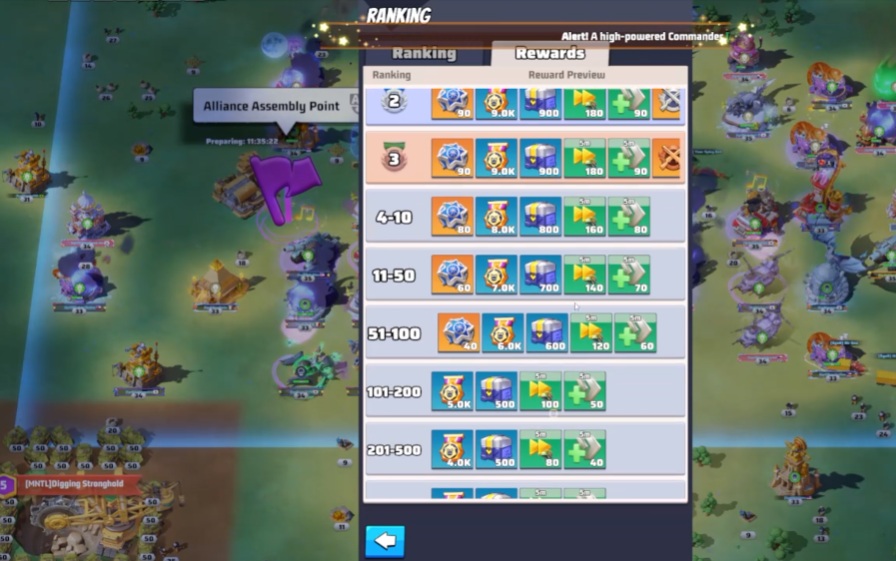
Is Last War Pay to Win in 2026? An Honest Answer for F2P Players

Is Last War pay to win? In 2026 the honest answer is that it's pay to progress faster and, at the top of a server, pay to lead, but not pay to play. The April 2026 shop overhaul removed the most aggressive packs and narrowed the gap between ordinary spenders and whales. Here is what spending really buys, how far F2P players can get, and when money actually matters.

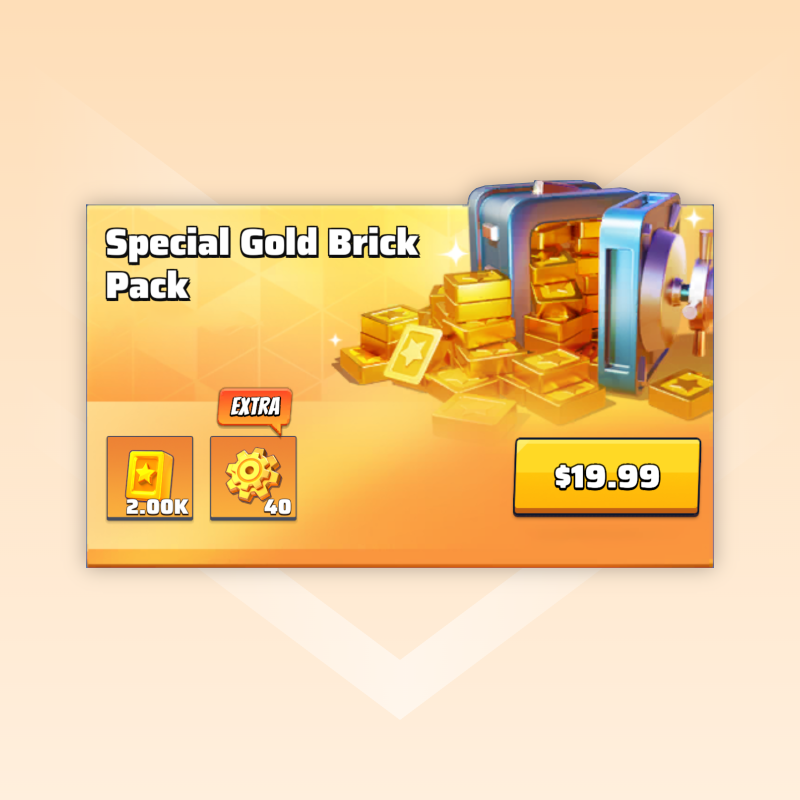
Special Gold Brick Pack
$13.42
$19.99-$6.57
5000 Gold
$33.57
$49.99-$16.42
10000 Gold
$68.99
$99.99-$31All-In-One Standard Pack
$136.11
$184.95-$48.84
Is Last War Pay to Win? The Short Answer (2026)
Last War is not pay to play, and it is not pay to survive. It is pay to progress faster, and at the top of a server it is pay to lead. The most accurate one-line summary is pay to control the tempo: spending decides how fast you move and who sets the pace, while time, timing and your alliance decide whether you keep up.
| Do you need to pay to… | Answer |
|---|---|
| Access content and events? | No. Nothing is locked behind a paywall. |
| Progress faster? | Yes. Spending compresses timers a lot. |
| Lead your alliance or server? | Mostly yes, especially on new servers. |
| Survive long-term? | No. A good alliance matters more. |
| Enjoy daily play? | No. Most of the routine is free. |
What "Pay to Win" Actually Means in Last War
Before judging Last War, it helps to define the term. In strategy games, pay to win usually falls into one of three models:
- Hard paywall: content you cannot reach without paying.
- Acceleration: spending compresses time, so payers get the same things sooner.
- Dominance: spending lets players suppress others over the long run.
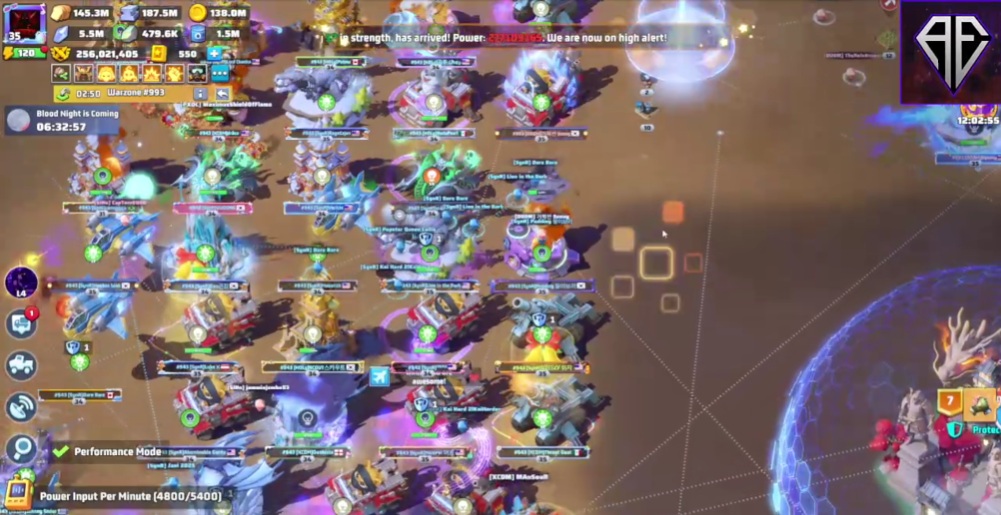
Last War does not lock content. It does compress time heavily, and at the very top of a server that acceleration turns into dominance. So the useful question isn't "can you play without paying?" (you can). It's "can you keep up with your server's tempo without paying?" Misjudging that is exactly what pushes many players into the mid-game wall.
What Changed in 2026: Is Last War Less Pay to Win Now?
Yes, somewhat. In April 2026 the developers removed a large part of the most aggressive monetization, with the stated goal of reducing spending pressure:
- The $20, $50 and $100 pop-up packs that appeared during Alliance Duel days
- The Custom Weekly Pass, in both its $5 and $20 versions
- Most daily must-buy packs, including the Valor Badge packs
- Direct purchases of extra radar tasks and large stamina bundles
- The Awakening Battle Pass, with Awakening shards moved to free sources
The August 2026 update continued the trend: Bullseye Loot and Ammo Bonanza were reworked into smaller reward steps and most paid ammo packs disappeared, so big last-minute event purchases are no longer an option.
The result is that instant power spikes are harder to buy and the gap between mid-spenders and whales has narrowed. Last War in 2026 is closer to "pay to progress faster" than "pay to win instantly". Spending still matters, but it now works mostly through passes and long-term value, which our guide to the best Last War packs to buy covers in detail.
Where the Spending Pressure Comes From
Last War is one of the highest-grossing mobile games in the world, with around $3.5 billion in lifetime revenue and roughly $18 earned per download. Almost all of it comes from in-app purchases, and most of that from committed mid-spenders and whales rather than casual players. Three systems create the pressure:
- VIP levels: a permanent track that rewards cumulative spending with faster construction, research, training and healing.
- Passes: the Super Monthly Pass and seasonal battle passes reward players who pay steadily and log in daily.
- Competitive windows: Alliance Duel, Arms Race and server-vs-server events give spenders clear moments where speedups turn directly into rankings.
None of these lock a free player out. They all reward whoever moves faster during the windows that matter.
Early Game (Day 1–30): The Equality Phase
In the first month, Last War feels surprisingly balanced. Resources are plentiful, map control is fluid, alliance hierarchy isn't fixed yet, and activity matters more than spending. F2P players can stay competitive through:
- Efficient build order and never leaving a queue idle
- Smart research timing
- High alliance activity
- Avoiding early progression traps that waste months later
This is why many new players decide the game isn't pay to win at all. But early balance is temporary. The system is built to raise pressure gradually, and the shift arrives around Day 45–60.
The Mid-Game Wall (Day 45–60): Where Spending Turns Into Structure
This is the stage where player retention drops sharply. Upgrade costs climb steeply, research timers stretch, gear becomes resource-hungry, and the server's power hierarchy settles. Spending stops being a small boost and starts turning into structure:
- Territory control
- A secure place in a top alliance
- Influence over war timing
- Consistent event leaderboard spots
Here is the key distinction: Last War becomes pay to lead alliances, not pay to survive individually. An F2P player can still survive and grow. They are just unlikely to be the one in control. We break this turning point down in why players quit Last War before Day 60.
Server Age: The Most Underrated Multiplier
How much spending matters depends heavily on how old your server is.
New servers
Spending has its biggest political impact here. Early whales can shape the alliance hierarchy for the rest of the server's life.
Mid-age servers
Structures are already formed. Spending still helps, but each extra dollar moves the needle less.
999+ servers
Mature servers often run on multi-account setups, coordinated alliance blocs and settled diplomacy. There, organization can outweigh raw spending, and the numbers at the top can be eye-watering, as our breakdown of how much top Last War players spend shows.
Spending impact is not linear: timing beats amount. For a stage-by-stage view of how a server develops, see our Last War server timeline guide.
Alliance Structure Beats Individual Strength
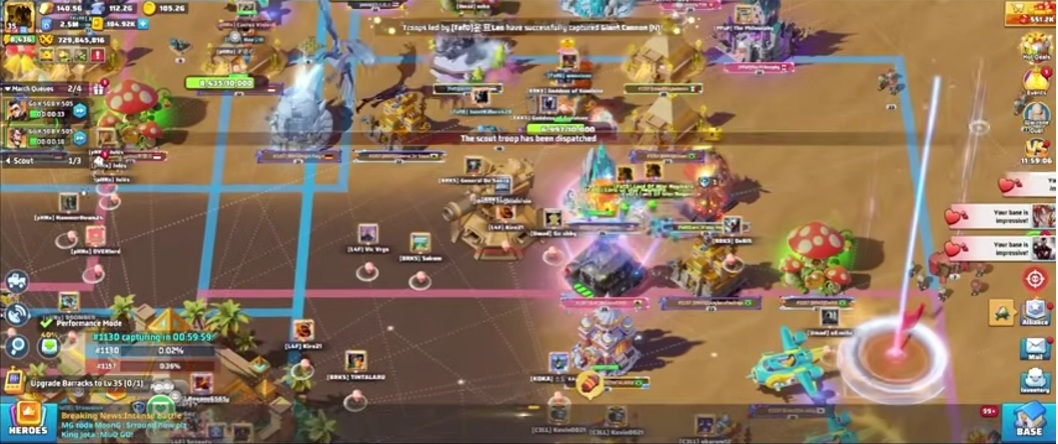
Last War is not an individual power race; it is an alliance ecosystem. A medium spender inside a well-run alliance can outperform a whale inside a poorly managed one. The wrong alliance can:
- Limit your access to events and rallies
- Restrict territory control
- Leave you without protection
- Stall long-term growth
For free players especially, an active alliance is the biggest multiplier available: gifts, research help and rally participation all cost nothing. If you're unsure how to judge one, see how to choose the right alliance in Last War.
What Spending Actually Buys (and What It Doesn't)
Many players assume whales win automatically. In practice, money buys some things very well and others not at all:
| Spending buys | Spending doesn't buy |
|---|---|
| Time: shorter build, research and training timers | A good alliance |
| Margin for error and faster rebuilds after losses | Good event timing |
| Consistent Arms Race and Alliance Duel rankings | Daily activity and attention |
| Permanent VIP speed bonuses | An instant fix for a badly built account |
| Diplomatic weight in server politics | A top spot on an old server by itself |
High-level accounts on mature servers often run several accounts, centralize resource flow and spend mainly during high-impact windows. That is a strategy, not just a budget.
How Far Can Free-to-Play (F2P) Players Get in Last War?
Further than most people think, just not to the very top. Last War is free to play in the real sense: you can reach the late game without paying. In one widely shared F2P progress report from the player community, a free player who joined a few days after server launch reached HQ 30 in about seven months with around 110M power. Their own verdict: as F2P you can progress a long way, but you can't really compete with the leaders.
The F2P players who get furthest tend to do the same things:
- Spend Diamonds on VIP 6 first. It unlocks a permanent second builder, the single most impactful Diamond purchase for free players.
- Build one main squad. Concentrate shards and gear on one lineup instead of spreading them thin; our Last War tier list helps you pick it.
- Stack events. Use speedups when an Alliance Duel day and the matching Arms Race task overlap, so one action scores in both.
- Never miss free rewards. Daily tasks, alliance gifts, redeem codes and the occasional free Gold Brick giveaway add up over months.
- Stay active in a strong alliance. It is the biggest free multiplier in the game.
Why Last War Feels Pay to Win Anyway
Even with all that nuance, the game often feels pay to win. Four effects explain most of it:
- Visibility bias: whales are visible on every leaderboard; efficient F2P players are not.
- Compression shock: mid-game scaling hits suddenly, and players read that pressure as unfairness.
- Alliance amplification: one whale inside a top alliance looks like total dominance.
- Control vs survival confusion: players mistake "not leading" for "losing". Most aren't losing; they're losing control, and that feels unfair.
If You Do Spend: The Low-Spender Sweet Spot
You don't need whale money to feel the difference. For most players, a small, steady budget delivers far more than occasional big buys:
- Kimberly pack: about $1 on a new account for a hero that stays useful deep into the game.
- Super Monthly Pass: daily value plus VIP perks and an extra marching squad for 30 days.
- Dawn Fund: a one-time buy that pays out as your HQ levels up.
- Seasonal Battle Pass: bought in week 1 of a season you'll play in full.
What rarely works is a large catch-up purchase after you have already fallen behind; see which Last War packs are worth buying before you spend. And if you do buy, our Last War top up page offers the same packs for less than the in-game store, which stretches a low-spender budget further.
So… Is Last War Pay to Win? Final Verdict
Last War is pay to control the tempo. If your goal is to dominate a server, spending speeds that path up massively. If your goal is to grow steadily and enjoy alliance play, spending is optional, but understanding server tempo, alliance structure and timing is not. The 2026 changes have made the gap between ordinary spenders and whales smaller than it used to be.
Most players don't quit because the game is pay to win. They quit because they misjudge their server's age, join a weak alliance, ignore how costs scale, or upgrade without a timing plan. Last War rewards structure and punishes misalignment, and understanding timing is often worth more than simply paying for it.