

Last War Alliance Guide: How to Stop Bullying and Grow a Strong Team

A practical guide to preventing alliance bullying in Last War and growing a united team with fair rules, diplomacy, and long-term success strategies.
When you first jump into Last War: Survival Game, it feels like your usual zombie/base-builder deal — collect stuff, fix up your shelter, clear the map, recruit some survivors… you know the drill.
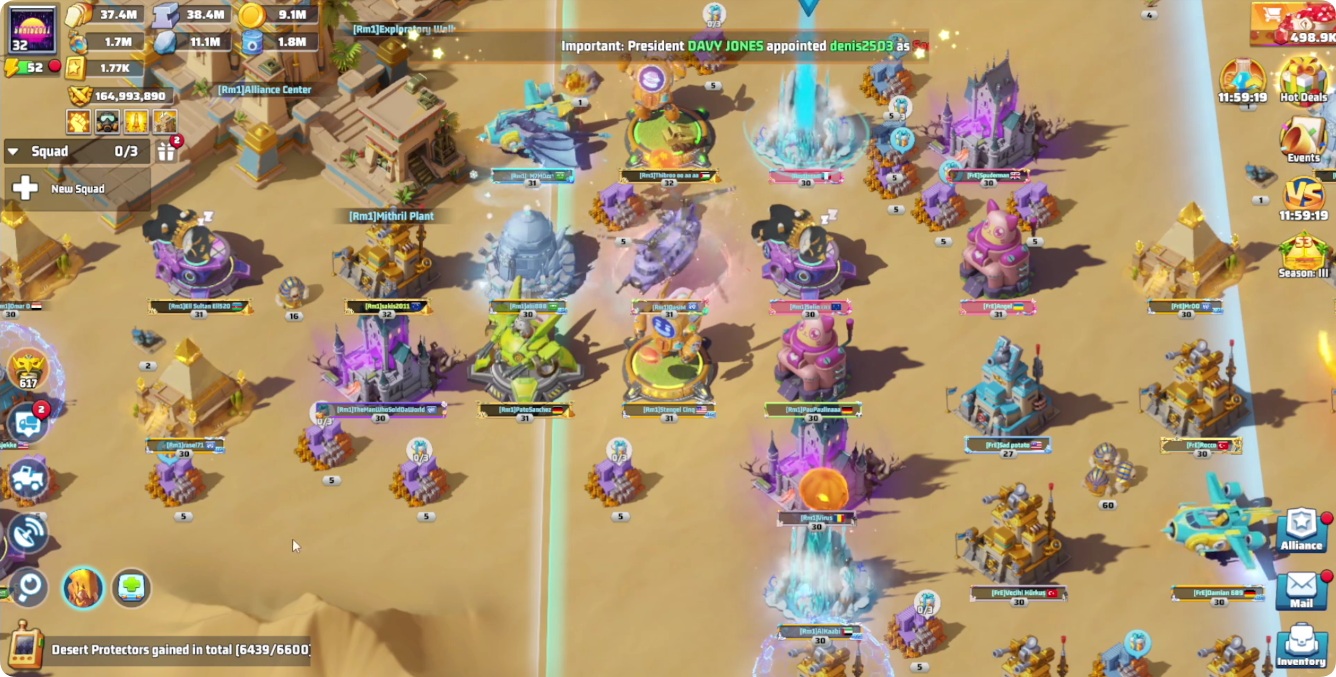
( Last War desert base showcase )
But the moment you join or make an alliance, the whole vibe changes.
Suddenly it’s not just about beating zombies anymore — it’s about people.
And that’s where things can get messy. ?
Players on Reddit and Discord keep saying the same thing:
These complaints may sound different on the surface, but they usually point to the same underlying issue. What players experience as pressure or conflict is often rooted in alliance structure rather than individual behavior. Understanding why alliance structure leads to long-term problems in Last War helps explain why these patterns repeat across servers and why they tend to escalate as the game moves into the mid stage.
Too many donation rules
Mandatory event participation
Pressure to top up “for the team”
Stronger alliances bullying smaller ones
Before you realize it, your biggest threat isn’t the undead — it’s the alliance politics.
So let’s break down:
Why some alliances become toxic
How to avoid those traps
And how to build a team that actually feels good to play with
A crew that grows together — without turning the game into a second job.
Why Alliances in Last War Go Bad So Easily
Pressure & Monetization — The Real Zombies
Alliances in Last War can have up to 100 players, unlock special shops, better tech upgrades, alliance wars… all the good stuff.
Sounds great, right?
Until it doesn’t.
Because once you join, the “rewards” often come with strings attached:
Daily logins or you get called out
Constant donation requirements
“Hey bro, buy this alliance gift real quick”
One Reddit player even said they were getting hundreds of gift box requests per day — some over $50 a pop — just to keep up with the alliance’s expectations.
Crazy...
At that point, the zombies aren’t the ones draining you — it’s your wallet and your mental energy, which also helps explain why Last War is not just about spending.
Casual players and F2P teammates?
They become “dead weight” in the eyes of toxic leaders.
And that’s when the fun gets sucked right out of the game.
Alliance Politics — Where the Drama Begins
Any group of 100 people is gonna have drama… and Last War alliances are no exception.
You usually end up with something like:
“Top dogs” telling everyone else what to donate
New players treated like walking resources
Pressure piling up week after week
Suddenly, it’s no longer:
“Let’s survive together!”
It becomes:
“Pay up, or you’re out.”
What should’ve been a teamwork system turns into a job you didn’t sign up for—and that’s exactly why so many players rage-quit alliances… or just quit the game entirely.
TL;DR for this section
Alliances = perks & teamwork
BUT also pressure, spending, politics
Toxic alliances forget one key thing: People are here to play a game, not file TPS reports
The “Rich Get Richer” Cycle
When an alliance depends too much on spending and donations, the players who invest more — whether money or time — naturally gain more control. Those who can’t keep up slowly lose importance or even feel pushed aside.
At that point, teamwork stops being the priority. The alliance becomes more about paying to keep your place rather than growing together.
Many community discussions share the same frustration:
it doesn’t feel like a game anymore — it feels like maintaining a subscription just to survive in your own alliance.
How to Build a Strong and Stable Alliance
If you and your team want an alliance that continues improving instead of collapsing under pressure, here’s a simple starting framework.
Recruit Members Who Match Your Values
Consistency matters more than spending power. Look for players who:
Log in regularly
Actively take part in alliance activities
Contribute at a reasonable pace
A player who spends once then disappears for weeks doesn’t help the group long-term.
Don’t underestimate F2P or casual players — they often bring:
Steady activity
Team loyalty
Time investment in defense and events
Make sure contribution expectations stay fair so they never feel inferior or replaceable.
To keep everyone engaged, assign clear roles early on:
Resource gatherers
Base defenders
Diplomats / alliance negotiators
Event participants / specialists
When every member has a purpose, every member feels like part of the team — not an outsider.
Quick Takeaway
Reliable teammates > big spenders
Fair contribution expectations keep players engaged
Defined roles = better team unity and lower turnover
Transparent Governance & Fair Role Structure
A strong alliance needs clear roles and expectations from day one.
This prevents misunderstandings, limits power abuse, and keeps everyone aligned.
Here’s a simple, effective structure widely recommended by veteran Last War players:
Role | Core Responsibility | Expected Contribution |
|---|---|---|
Leader / High Council | Set long-term alliance strategy, handle diplomacy and conflict | Communicate weekly plans, maintain transparency, resolve disputes fairly |
Officers / Moderators | Manage events, coordinate raids, support and train members | Ensure fair contribution rules, assist weaker players, enforce policies |
Veteran Members | Provide guidance, reinforce allies, support in PvP & PvE | Participate in major events, help newcomers adapt |
Regular Members | Participate based on ability within a fair contribution system | Meet basic activity levels, follow alliance rules |
Diplomacy Over Domination
Winning every fight isn’t the goal — lasting is.
Aggressive alliances often crash fast because endless revenge wars drain resources and morale.
Instead, choose battles that actually move the alliance forward.
Recommended tactics:
Pick targets wisely — avoid pointless wars with every neighbor
Set NAPs (non-aggression pacts) and simple trade agreements
Use controlled strikes — quick raids for resources, then disengage before drama scales
Sustainable diplomacy usually beats reckless domination.
Shared Rewards & Collective Wins
A healthy alliance works toward shared goals, not “donate or get kicked” culture.
To keep loyalty high:
Distribute rare loot fairly, not only to spenders
Rotate heavy tasks so one person isn’t always paying or grinding
Celebrate milestones — tech upgrades, defense successes, territory gains
Unity grows when everyone benefits from progress, not just the top spenders.
Value Casual & F2P Players
Not everyone spends — and that’s fine.
F2P and casual players often handle the essential but overlooked duties:
Scouting and intel
Base defenses and rebuilds
Event support and resource operations
Give recognition where it’s earned:
Highlight top contributors publicly
Offer leadership opportunities based on reliability, not wallet size
Reinforce that participation > spending power
When people feel needed, they stay. When they’re ignored, they leave.
When Things Go Wrong
First, ask yourself: Is your alliance helping you grow — or draining you dry?
Major red flags:
Constant donation or “buy this pack” pressure
Value measured by how much you spend, not how you contribute
Leaders ignoring concerns or shutting down questions
Try improving things internally:
Suggest clear rules for donations and loot sharing
Propose fair role assignments so everyone matters
Push for transparency in decision-making
But if leaders refuse to change?
Sometimes the smartest move is to walk away.
A smaller alliance — even 20–50 active players — often performs better:
Easier coordination
Less financial pressure
More trust and long-term stability
Real Player Stories
“I was opening hundreds of gift boxes every day — some over $50 each.
I think our alliance spent tens of thousands while I was there.
It didn’t feel like a game anymore.”
Another veteran player shared:
“The real war isn’t against zombies — it’s against your own wallet.”
The problem isn’t gameplay.
It’s the social pressure to pay… or get left behind.
Why Building a Healthy Alliance Matters
Healthy alliances benefit everyone:
Alliance Quality | How It Helps |
|---|---|
Members stay longer | You keep your strongest players instead of burning them out |
Growth becomes consistent | Progress comes from teamwork, not a few big spenders |
Morale stays high | Fair wins feel earned — not bought |
Less financial stress | F2P players contribute meaningfully without feeling guilty |
Top-Ups Without Toxic Pressure
There will still be moments where extra resources help — during major upgrades, emergency situations, or alliance-wide pushes.
The key difference is choice. Spending should support the team when players want to contribute, not become an obligation enforced by pressure.
Top-ups should remain a personal decision, not a requirement tied to belonging.
Support your alliance — but never at the cost of enjoying the game.
Conclusion
Alliances in Last War: Survival Game can be the best part of the experience — teamwork, strategy, and community.
But without fairness and transparency, they can quickly become stressful, exploitative, and financially draining.
Because sometimes, the biggest threat isn’t the zombies —
it’s the pressure from the people standing beside you.
Build (or join) an alliance that respects:
Fair rules
Clear leadership
Balanced expectations
Every player’s contribution — spender or not
Do that, and your team won’t just survive — it’ll thrive.
In a world full of undead, the strongest defense is still trust over greed.
FAQs
Q: Can you progress solo without an alliance?
A: Early-game? Yes. But later-game features — alliance shops, tech bonuses, alliance warfare — are designed for teams. Solo players may struggle with resource scarcity and enemy alliance threats.
Q: Is alliance membership mandatory?
A: No — you can remain unaffiliated. But alliance membership unlocks technologies, resource sharing, and global events that drastically improve progression and survival odds.
Q: What’s the ideal alliance size?
A: 30–50 members often strike the best balance between manpower and manageability. Huge alliances (near 100) tend to face coordination issues, political power concentration, and higher pressure on members.
Q: How to avoid being exploited when joining a new alliance?
A: Ask questions before joining:
Are donations mandatory or voluntary?
Is loot shared or first-come?
Do they allow casual/F2P players roles?
Is there a transparent governance structure?
If you get evasive answers — walk away.
Q: Are F2P / casual players useful in top alliances?
A: Absolutely — if alliance values contribution over cash. Roles like scouting, defense, support, base maintenance still require time and loyalty rather than heavy spending.
Q: What to do if your alliance becomes toxic?
A: Try to reform it first — propose fairness, rules, loot sharing. If leadership refuses, leave and form a smaller, well-managed alliance or join a better one via community forums / .
Q: How to maintain alliance morale over time?
A: Rotate “heavy-duty” tasks, reward non-spenders with roles/titles, celebrate collective wins, and ensure transparency in donations & rewards.
Q: Is there a safe way to top up resources without causing spending pressure?
A: Yes — using reliable platforms for occasional top-ups (preferably for emergency needs, not daily upkeep) helps avoid turning alliance into a pay-to-stay system.
Choose the bestLast War:Survivalproducts
