Why Free Fire Sticks to Short Matches Instead of Longer Games
 Quinn Thompson


Free Fire’s short-match design isn’t about impatience—it’s about how real players use their time. From mobile habits to progression pacing, this article explains why fast matches are core to the Free Fire experience and why longer games would actually hurt it.
For players coming from PC shooters or traditional battle royale games, Free Fire can feel almost too fast.
Matches end quickly.
Gunfights resolve in seconds.
There’s barely time to “settle in” before the game is already over.
So a common question comes up:
Why does Free Fire insist on short matches instead of stretching games longer?
From a player’s perspective, the answer has nothing to do with impatience—and everything to do with how the game fits into real life.
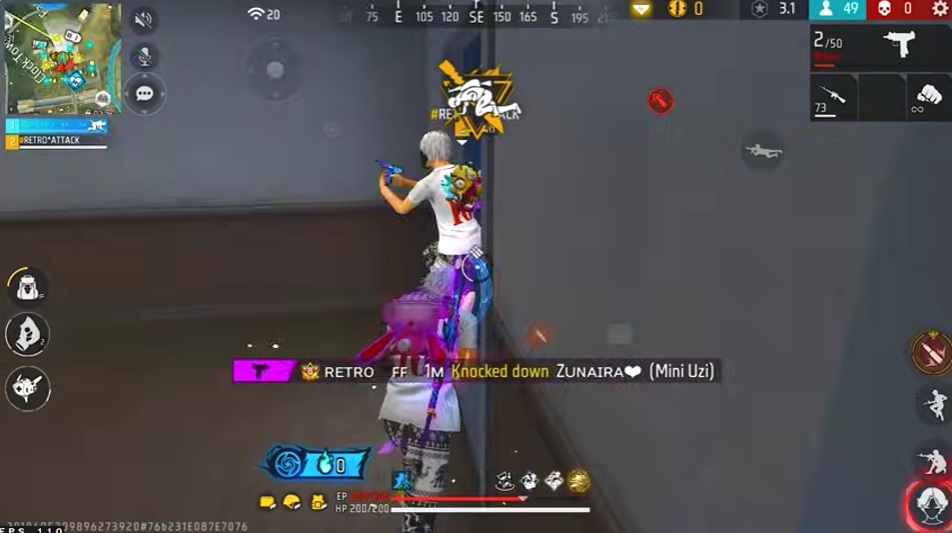
Free Fire Is Built for How Players Actually Play
Most Free Fire players don’t sit down with a plan to game for hours.
They play:
Between classes
After work
On public transport
During short breaks
Late at night on a shared device
In those situations, a 25–30 minute match isn’t “immersive.”
It’s stressful.
Short matches mean:
You can finish a game without committing your whole evening
You don’t feel punished for logging off early
Every session feels complete, even if it’s brief
For players with fragmented schedules, Free Fire’s short-match design isn’t a compromise—it’s a relief.
Short Matches Keep the Game Mentally Light
Long matches demand sustained focus.
That works well on PC, but on mobile:
Screens are smaller
Hands get tired faster
Distractions are constant
Free Fire’s shorter format lowers cognitive load.
You’re not asked to:
Track dozens of variables for half an hour
Stay locked in through long downtime phases
Recover from early mistakes over extended stretches
Instead, each match is a self-contained experience:
Drop in
Make fast decisions
Win or lose
Reset
That reset matters more than players realize. It keeps frustration from stacking and burnout from creeping in.
Fast Matches Match Fast Consequences
Free Fire’s short Time-to-Kill and short match length reinforce each other.
Because games are brief:
Mistakes are punished immediately
Good positioning matters more than raw aim
There’s less room to “outplay” bad decisions later
From a player standpoint, this feels fair.
You don’t lose 30 minutes because of one early error.
You lose this match—and then you move on.
That loop encourages learning without emotional fatigue.
Lose fast.
Queue again.
Try something different.
Progression Needs to Fit the Same Rhythm
Here’s where many players quietly feel the difference.
In long-form games, grinding makes sense because matches themselves take time.
In Free Fire, grinding can feel out of sync with how fast the game moves.
This is also where free fire top up starts to make sense from a player’s perspective.
For players who log in for short sessions:
Spending weeks to unlock a character or cosmetic can feel disconnected
Progression risks feeling slower than the gameplay itself
A small, occasional top up isn’t about overpowering others.
It’s about keeping progression aligned with the game’s pace.
You still need:
Good positioning
Awareness
Decision-making
Top ups don’t win fights for you.
They simply prevent progression from becoming the slowest part of a fast game.
Short Matches Encourage Repeat Play, Not Endless Play
Free Fire doesn’t try to trap players in marathon sessions.
Instead, it encourages:
Frequent logins
Short bursts of play
Habitual engagement
From the player side, this feels healthier.
You can:
Play three matches and stop
Come back later without feeling behind
Enjoy wins without chasing “one more game” endlessly
Short matches reduce the pressure to optimize every session.
They make playing feel optional—not obligatory.
Why Longer Matches Would Actually Hurt Free Fire
It’s easy to assume longer matches = deeper gameplay.
For Free Fire, that’s not true.
Longer matches would:
Increase frustration from early mistakes
Expose mobile limitations more harshly
Push the game away from its casual, repeatable identity
Most players don’t want Free Fire to become something it isn’t.
They want:
Quick action
Clear outcomes
Progress that feels earned without consuming their life
Short matches protect that balance.
Final Thoughts: Short Matches Are the Core Experience
Free Fire doesn’t stick to short matches because players lack patience.
It does so because:
Mobile play happens in fragments
Attention is limited
Time is valuable
Short matches respect that reality.
They let players:
Enjoy the game without rearranging their day
Learn through repetition, not endurance
Progress without turning gaming into a second job
Free Fire isn’t asking players to stay longer.
It’s asking:
“Can we make every minute feel worth it?”
That’s why the matches stay short—and why most players wouldn’t want it any other way.

- 100+10 Diamonds$0.82-$0.15$0.97
- 310+31 Diamonds$2.46-$0.43$2.9
- 520+52 Diamonds$4.11-$0.73$4.84
- 1060+106 Diamonds$7.81-$1.38$9.19
- 2180+218 Diamonds$15.56-$2.75$18.31
- 5600+560 Diamonds$39.09-$6.9$45.99
- Weekly Membership$1.79-$0.32$2.11
- Monthly Membership$8.61-$1.52$10.13
- Booyah Pass card$3.18-$0.56$3.74
- Weekly Lite$0.42-$0.07$0.5
- Jovial Symphony King Bundle$4.56-$0.8$5.36
- Queen Joyful Melody Bundle$4.56-$0.8$5.36