Why Is Free Fire’s Time-to-Kill (TTK) So Short?
 Quinn Thompson


Free Fire’s short TTK isn’t a balance flaw—it’s a deliberate design choice. This article explains how mobile constraints, match pacing, positioning-based skill, and decision-making shape Free Fire’s fast combat, and why it feels unforgiving to many Western players.
At first glance, Free Fire’s Time-to-Kill feels extreme.
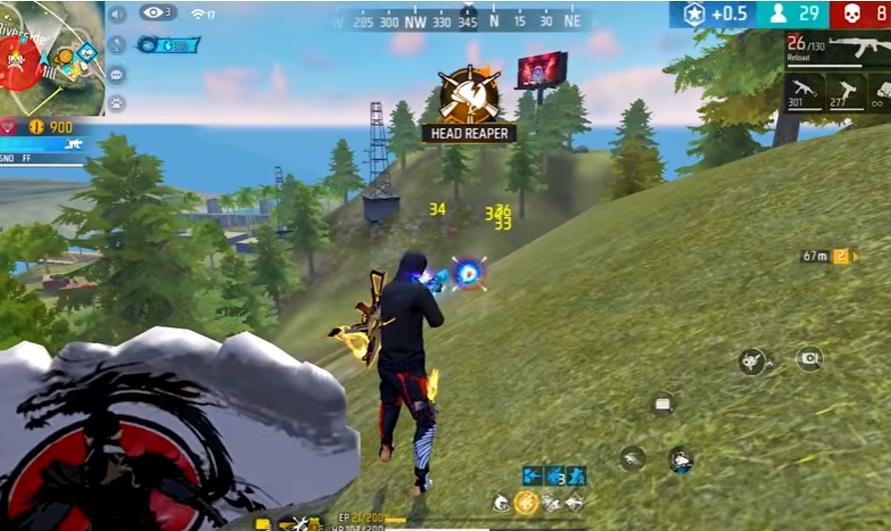
Gunfights end in seconds.
Positioning mistakes are punished instantly.
Outplaying an enemy doesn’t always mean a long duel—it often means a fast elimination.
For players coming from PC shooters or slower mobile battle royales, this raises a natural question:
Why is Free Fire’s TTK designed to be so short?
The answer isn’t balance failure—it’s deliberate design.
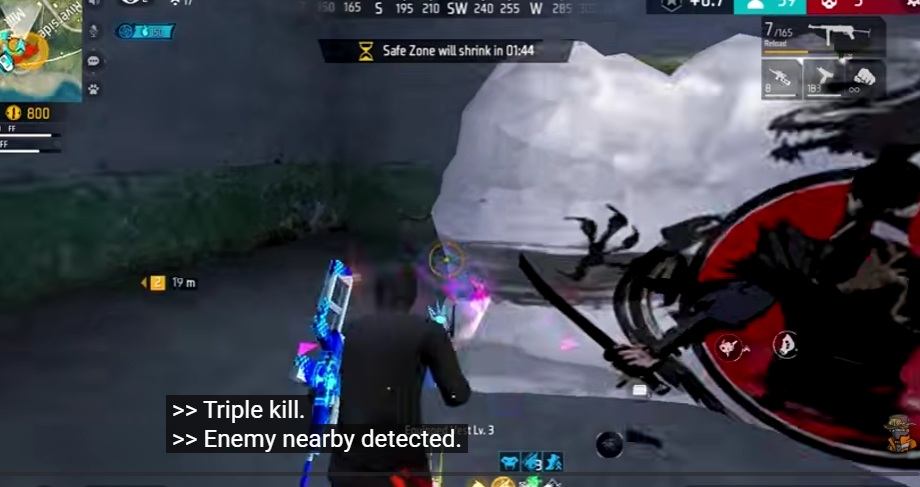
Accessibility First: Designing for Mobile, Not Precision Shooters
Built for Low-End Devices and Touch Controls
Free Fire was designed from day one to run smoothly on low- and mid-range smartphones, especially in regions where high-end gaming devices aren’t the norm.
That decision directly affects TTK.
Touch aiming is inherently less precise than mouse or controller input
Network latency is more variable on mobile data
Screen size limits fine-grained tracking
A longer TTK would amplify these limitations and make fights feel inconsistent or frustrating.
A shorter TTK, by contrast:
Reduces reliance on sustained tracking accuracy
Rewards initial positioning and reaction speed
Keeps combat decisive even with imperfect inputs
In short, Free Fire trades mechanical depth for clarity and responsiveness, which is critical on mobile.
Match Pacing: Why Fast Kills Support Short Games
Designed for Short Sessions, Not Long Engagements
Free Fire matches are intentionally brief.
This isn’t a console-style 30-minute survival experience—it’s designed for quick play sessions, often under 10 minutes.
Short TTK supports that pacing in several ways:
Fights resolve quickly, keeping momentum high
Fewer prolonged stalemates slow the match
Endgames don’t drag on with endless healing cycles
From a design perspective, a long TTK would break the rhythm Free Fire is built around.
Less Downtime, More Action
Fast eliminations mean:
Faster lobby turnover
More matches per hour
More consistent action for casual players
This structure matters especially for players who log in between daily activities rather than long dedicated sessions.
Skill Expression Shifts from Aim to Decision-Making
Positioning Beats Tracking
In shooters with long TTKs, skill is often expressed through:
Sustained recoil control
Tracking accuracy over several seconds
Micro-adjustments during extended duels
Free Fire intentionally de-emphasizes this.
Instead, skill shows up in:
Pre-fight positioning
Angle control and cover usage
Timing of engagements
Knowing when to fight, not just how
A short TTK magnifies mistakes before a fight even starts.
If you’re caught out of position, there’s no extended duel to save you—and that’s exactly the point.
Awareness Over Reflex Grinding
Because fights end quickly, players who:
Read the zone well
Anticipate rotations
Control high-value terrain
consistently outperform players who rely purely on mechanical reflexes.
For American players used to “out-aiming” opponents, this can feel punishing—but it represents a different skill hierarchy, not a simpler one.
Progression, Monetization, and the Misunderstood Role of TTK
Why Short TTK Isn’t About Spending Power
It’s common to assume that fast kills exist to push monetization—but that’s an oversimplification.
While progression systems, weapon upgrades, and character skills do influence efficiency, they don’t fundamentally define Free Fire’s combat speed.
Even without optimized loadouts:
Base weapon damage is high
Headshot multipliers are aggressive
Armor offers limited forgiveness
This is also why systems like free fire top up often get misunderstood. Topping up can accelerate access to characters, weapons, and upgrades, but it doesn’t change the core reality of combat—poor positioning and bad timing still get punished instantly.
In other words, spending can improve consistency, not immunity.
The short TTK exists independently of progression. It’s part of the game’s foundation, not a byproduct of monetization.
Why Free Fire’s TTK Feels “Unforgiving” to Western Players
Different Expectations of Fairness in Gunfights
Many U.S. players are conditioned by shooters where:
Gunfights last long enough to recover from mistakes
Skill can compensate for bad positioning
Duels feel “earned” through sustained execution
Free Fire breaks that expectation.
Here, fairness means:
Equal opportunity before engagement
Clear punishment for poor decisions
Consistent outcomes from correct positioning
That philosophical difference is why Free Fire’s TTK often feels harsh to Western audiences—but intuitive to its core mobile-first player base.
Final Takeaway: Short TTK Is the Foundation, Not a Flaw
Free Fire’s short Time-to-Kill isn’t an accident, a balance issue, or a monetization trick.
It’s the structural backbone of the game.
It supports mobile limitations
It enables fast match pacing
It shifts skill expression toward awareness and decision-making
It creates clarity instead of prolonged chaos
If you approach Free Fire expecting long duels, it feels brutal.
If you approach it as a fast, decisive, positioning-driven shooter, the design suddenly makes sense.
Free Fire doesn’t ask, “Can you aim longer?”
It asks, “Did you make the right decision before the fight even started?”
That’s why the TTK is short—and why it isn’t going to change.


- 100+10 Diamonds$0.82-$0.15$0.97
- 310+31 Diamonds$2.46-$0.43$2.9
- 520+52 Diamonds$4.11-$0.73$4.84
- 1060+106 Diamonds$7.81-$1.38$9.19
- 2180+218 Diamonds$15.56-$2.75$18.31
- 5600+560 Diamonds$39.09-$6.9$45.99
- Weekly Membership$1.79-$0.32$2.11
- Monthly Membership$8.61-$1.52$10.13
- Booyah Pass card$3.18-$0.56$3.74
- Weekly Lite$0.42-$0.07$0.5
- Jovial Symphony King Bundle$4.56-$0.8$5.36
- Queen Joyful Melody Bundle$4.56-$0.8$5.36