
Is Free Fire’s Character Skill System Pay-to-Win? A Player Experience Perspective
 Quinn Thompson


From a player’s perspective, Free Fire’s character skill system often feels pay-to-win—especially early on. This article explains why that perception exists, how monetization and progression actually affect fights, and why experience and decision-making matter more than spending in the long run.
First Reaction: “I Lost Because He Paid, Didn’t I?”
Almost every Free Fire player has had this moment.
You get into a fight.
You shoot first.
You feel confident.
And then—you’re down.
The kill cam shows a character you don’t own.
A skill you haven’t unlocked.
An ability that seems to bend the rules.
The immediate reaction is natural:
“That wasn’t skill. That was pay-to-win.”
From a player perspective, this feeling is real—and it deserves to be taken seriously.
But feeling something unfair and something actually being pay-to-win are not the same thing.
Let’s break down how the system feels to play against—and why that feeling exists.
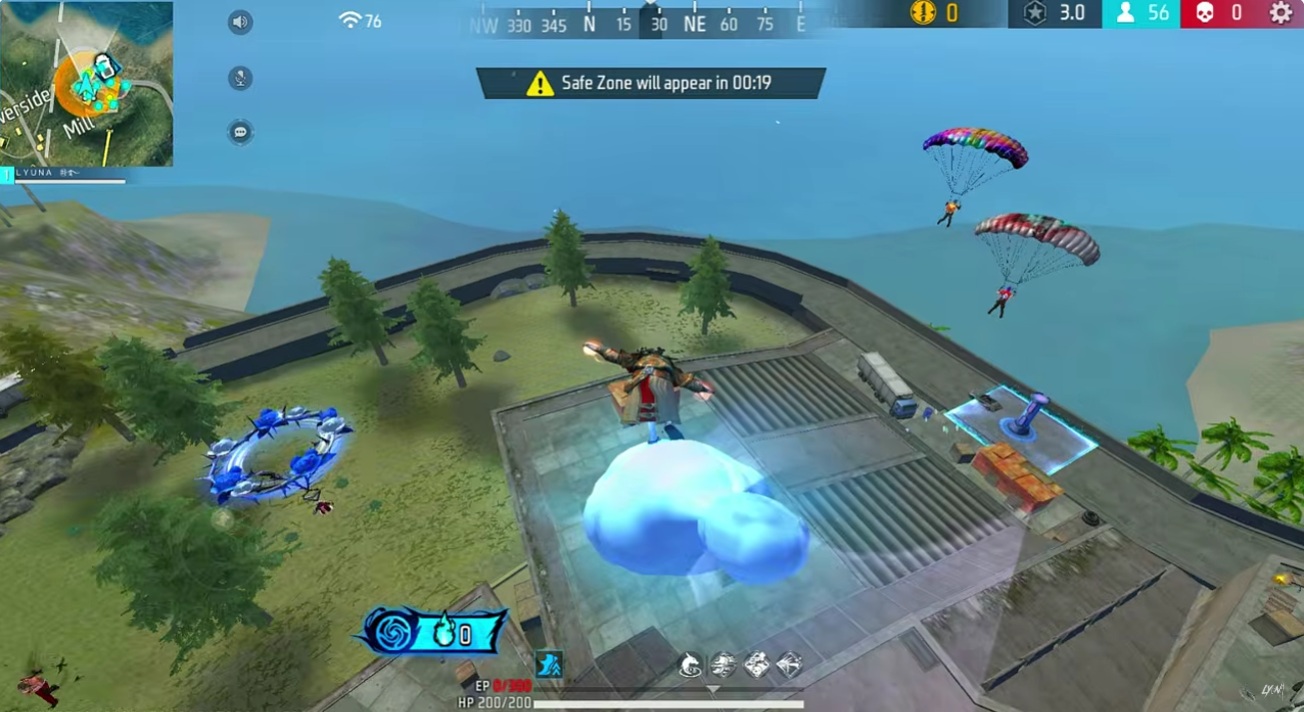
Why Character Skills Feel Overpowered to Newer Players
When you’re new or mid-progression, Free Fire’s character system hits you asymmetrically.
You notice that:
Other players heal faster
Some escape fights you’d normally win
Certain characters survive situations you wouldn’t
What you don’t immediately see is why.
From the player side, it feels like:
“They pressed a button and ignored my damage”
“They survived because they paid”
“My skill didn’t matter”
This perception comes from information gap, not raw imbalance.
Most character skills:
Are conditional
Trigger only in specific situations
Require correct timing and positioning
But in a fast, short-TTK game like Free Fire, you don’t get time to analyze that mid-fight.
You just feel the result.
And the result feels unfair.
What Paying Actually Changes (From a Player’s POV)
Here’s the uncomfortable truth players slowly realize after enough matches:
Paying doesn’t make fights automatic wins.
What it really does is:
Reduce friction in progression
Let you experiment sooner
Smooth out mistakes slightly, not erase them
Systems like Free Fire top up don’t turn bad players into good ones.
They turn experienced players into more consistent ones.
From the receiving end, that consistency feels brutal.
You don’t lose because they pressed “pay.”
You lose because:
They positioned first
They knew when to disengage
Their skill activated because they created the condition
But emotionally, it still feels like money decided the fight.
The Key Player Experience Divide: Consistency vs Comebacks
This is where most frustration lives.
Free Fire’s skill system doesn’t remove skill gaps—it reduces comeback windows.
For players, that means:
Early mistakes are punished harder
“Out-aiming” someone matters less than before
You get fewer chances to recover mid-fight
When a character skill activates, it often:
Prevents a kill
Enables escape
Buys a second chance
From the losing player’s perspective, that feels like the game saying:
“You almost won—but not quite.”
That’s where the pay-to-win accusation usually comes from.
Not because the system is broken—but because it narrows margins, and narrow margins hurt when you’re on the wrong side.

The Moment Veteran Players Stop Calling It Pay-to-Win
Something interesting happens as players gain experience.
They stop asking:
“How did I lose?”
And start asking:
“Why did I take that fight?”
Veteran players learn that:
Skills don’t activate randomly
Most advantages are predictable
Bad positioning beats good skills every time
At that stage, character skills stop feeling like cheats.
They feel like variables you play around.
And that’s usually when the “pay-to-win” narrative fades—not because players spent money, but because they understand the system well enough to counter it.
So… Is It Pay-to-Win From a Player Perspective?
Here’s the most honest answer a player can give:
Early on? It feels pay-to-win
Mid-game? It feels frustrating but manageable
High experience? It feels like part of the meta
Free Fire’s character skill system is not pay-to-win in the classic sense:
You can’t buy guaranteed wins
You can’t ignore positioning
You can’t out-skill bad decisions with money
But it does create a perception gap—especially for newer players—where losing feels personal, unfair, and monetized.
That perception isn’t imaginary.
It’s a side effect of fast combat + visible abilities + short matches.
Final Player Takeaway
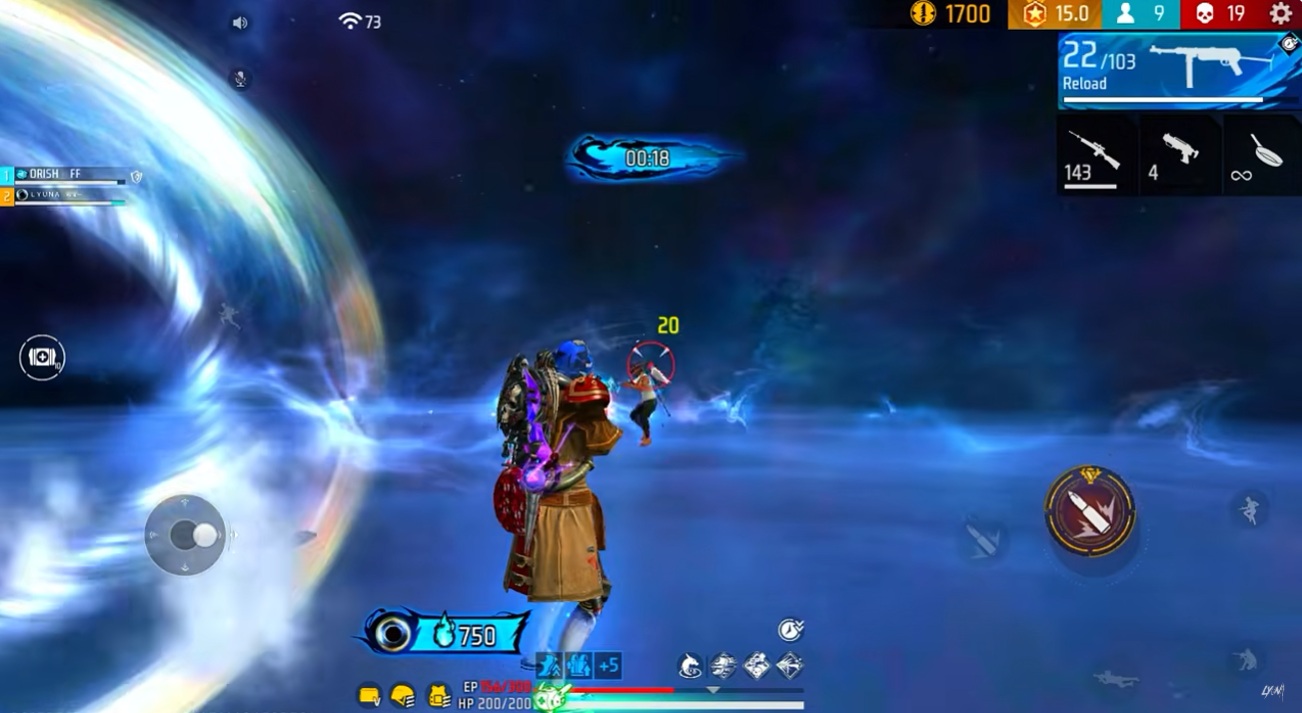
From a player’s point of view, Free Fire’s skill system doesn’t reward wallets—it rewards preparedness.
Money can:
Save time
Increase consistency
Reduce early frustration
But it can’t:
Fix bad positioning
Replace awareness
Win fights you shouldn’t take
If Free Fire feels pay-to-win, it’s usually not because someone paid more.
It’s because they understood the system sooner.
And in a fast game with short matches, that difference feels huge.

- 100+10 Diamonds$0.82-$0.15$0.97
- 310+31 Diamonds$2.46-$0.43$2.9
- 520+52 Diamonds$4.11-$0.73$4.84
- 1060+106 Diamonds$7.81-$1.38$9.19
- 2180+218 Diamonds$15.56-$2.75$18.31
- 5600+560 Diamonds$39.09-$6.9$45.99
- Weekly Membership$1.79-$0.32$2.11
- Monthly Membership$8.61-$1.52$10.13
- Booyah Pass card$3.18-$0.56$3.74
- Weekly Lite$0.42-$0.07$0.5
- Jovial Symphony King Bundle$4.56-$0.8$5.36
- Queen Joyful Melody Bundle$4.56-$0.8$5.36