

Free Fire Gloo Wall Guide: 5 Pro Placement Tricks for Winning Open-Ground Fights

This guide explains five professional Gloo Wall techniques that help Free Fire players survive open-ground fights and gain a tactical advantage. Discover how instant walls, double walls, angle walls, path blocking, and push strategies can reshape combat and turn defensive situations into winning engagements.

100+10 Diamonds
$0.73
$0.97-$0.24310+31 Diamonds
$2.08
$2.9-$0.82520+52 Diamonds
$3.51
$4.84-$1.331060+106 Diamonds
$6.53
$9.19-$2.66



In Free Fire, the most dangerous fights rarely happen inside buildings.
They happen in open ground.
No rocks.
No houses.
No natural cover.
When you get caught in the open, survival depends almost entirely on how fast and how intelligently you place your Gloo Walls. At higher skill levels, Gloo Walls stop being emergency shields and start becoming tempo-control tools that allow you to reshape the battlefield in seconds.
Professional and high-rank players treat Gloo Walls as portable terrain. The difference between a casual player and a skilled one often comes down to a single factor:
How they place their walls under pressure.
In this guide, we’ll break down five advanced Gloo Wall techniques that help experienced players survive, reposition, and even turn losing fights into clutch wins—especially when fighting in open terrain.
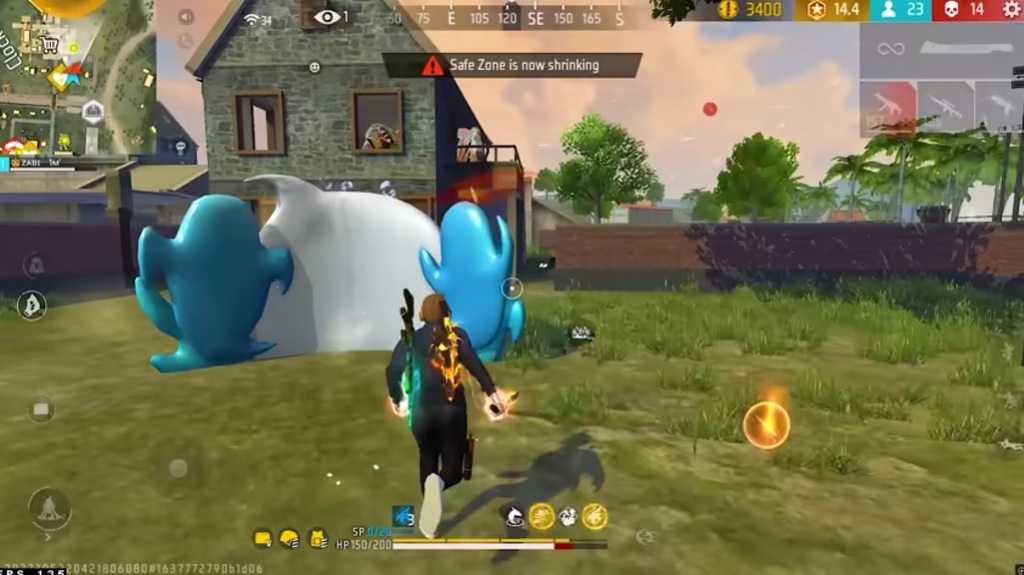
Why Open Ground Is the Ultimate Test of Gloo Wall Skill
Before diving into techniques, it’s important to understand why open ground amplifies the importance of Gloo Wall mechanics.
In dense areas like Pochinok or Clock Tower, players can rely on:
Walls and buildings
Doors and windows
Corners and cover
But once you move into open zones, those advantages disappear.
That means your Gloo Wall becomes your only source of protection.
High-rank players use Gloo Walls to:
Break enemy sightlines
Reset combat tempo
Force enemy movement
Create temporary cover
Once you start thinking this way, Gloo Walls stop being panic buttons and become strategic positioning tools.
Instant Wall – The Reaction That Saves You
The Instant Wall is the most fundamental skill every serious Free Fire player must master.
This technique is used when an enemy lands the first shot on you in open terrain.
Instead of jumping around or sprinting randomly, experienced players immediately deploy a Gloo Wall to cut off the enemy’s line of fire.
Why It Works
When players start spraying, they rely on continuous tracking to finish the kill.
An instant wall interrupts that tracking and forces the enemy to:
Stop firing
Reposition
Adjust their aim
Even half a second of disruption can reset the entire fight.
Execution Tips
Keep Gloo Walls ready
Always keep your Gloo Wall in your quick slot. Inventory switching wastes valuable reaction time.
Place the wall close to your character
Many players place the wall too far away. Competitive players drop the wall directly at their feet for immediate cover.
Keep your camera level
Avoid looking straight down when placing a wall. Maintaining crosshair height lets you re-engage instantly.
Pro Insight
The real goal of the Instant Wall isn’t just defense.
It’s buying one second to stabilize the fight and prepare your counterattack.
Double Wall – Surviving Heavy Fire
A single Gloo Wall is strong, but against high-damage weapons it can disappear quickly.
This is especially true against:
Sniper rifles
Shotguns
Concentrated squad fire
That’s where the Double Wall technique becomes essential.
How Double Walls Work
Instead of relying on one wall, you deploy two walls back-to-back.
The first wall absorbs the initial damage.
The second wall provides real protection.
Placement Tips
Leave a small gap
The ideal spacing is roughly one character width between the two walls.
If the walls overlap too much, both can break at the same time.
Slightly offset the angle
A small angle difference makes it harder for enemies to pre-fire the second wall.
Use the gap to peek
The space between walls allows you to safely peek and return fire.
Tactical Advantage
Double walls are extremely effective during mid-range fights where enemies try to break your cover quickly.
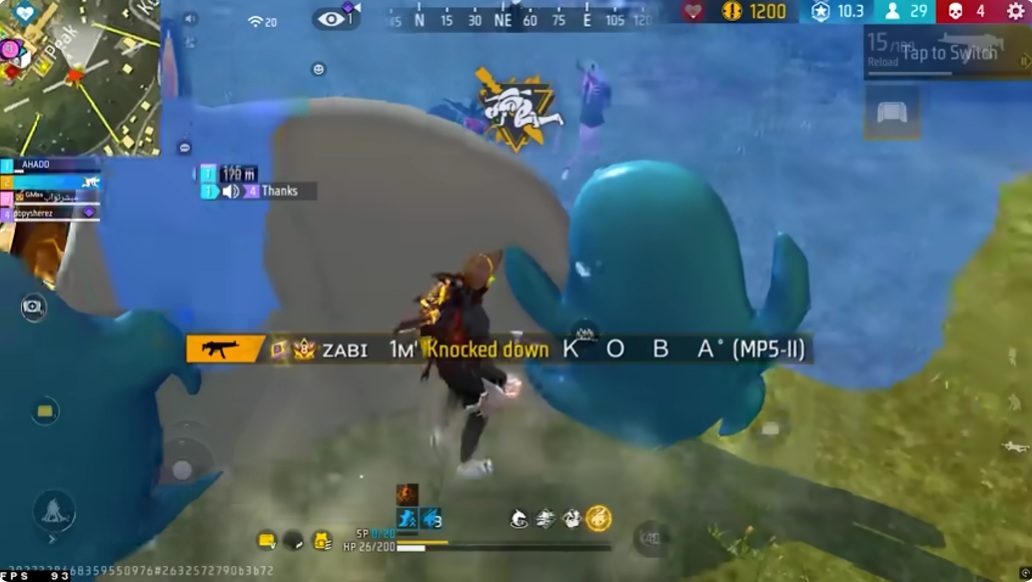
Angle Wall – Disrupting Enemy Aim
One of the most common mistakes players make is placing walls directly facing the enemy.
This creates a predictable fight.
The enemy simply pre-aims the center of the wall and waits for you to peek.
Experienced players solve this by using Angle Walls.
What Is an Angle Wall?
Instead of placing the wall directly in front of you, you deploy it at a slight angle relative to the enemy’s position.
This changes the geometry of the engagement.
Why It Works
An angled wall forces the enemy to:
Adjust their crosshair
Move sideways
Re-align their aim
Those adjustments create small timing windows that allow you to peek and shoot.
Best Situations
Angle walls are extremely effective in:
Desert terrain
Road fights
Final-circle open battles
In areas without cover, angle control becomes a huge advantage.
Path Blocking – Controlling Enemy Movement
Most players use Gloo Walls to protect themselves.
Skilled players use them to control enemy movement.
This technique is called Path Blocking.
Core Idea
Instead of placing the wall in front of you, place it where the enemy wants to move.
Common targets include:
Trees
Rocks
Doorways
Narrow paths
By blocking these routes, you remove the enemy’s safest escape option.
What Happens Next
Once their route is blocked, the enemy must:
Break the wall
Run into open space
Change direction
All three options make them easier to eliminate.
Tactical Combo
Path blocking works best when combined with pre-aiming.
Once the wall is placed, you already know where the enemy will appear.
Push Wall – Turning Defense Into Pressure
The final technique separates good players from top-tier competitors.
Most players place a wall and hide.
Advanced players place a wall and push forward, and if you want to take that idea further, our advanced placement guide breaks down more high-level ways to use Gloo Walls under pressure.
This strategy is known as the Push Wall.
The Push Wall Cycle
The sequence looks like this:
Place a wall
Move forward
Place another wall
Continue advancing
This creates a chain of moving cover.
Why It’s Effective
As you push forward:
Enemy sightlines shrink
Their shooting angles become limited
Their reaction time decreases
Psychologically, this creates pressure.
Many players panic when someone aggressively pushes behind Gloo Walls.
Best Situations
Push Walls work best when:
You have HP advantage
You’re using shotguns
The enemy is already under pressure
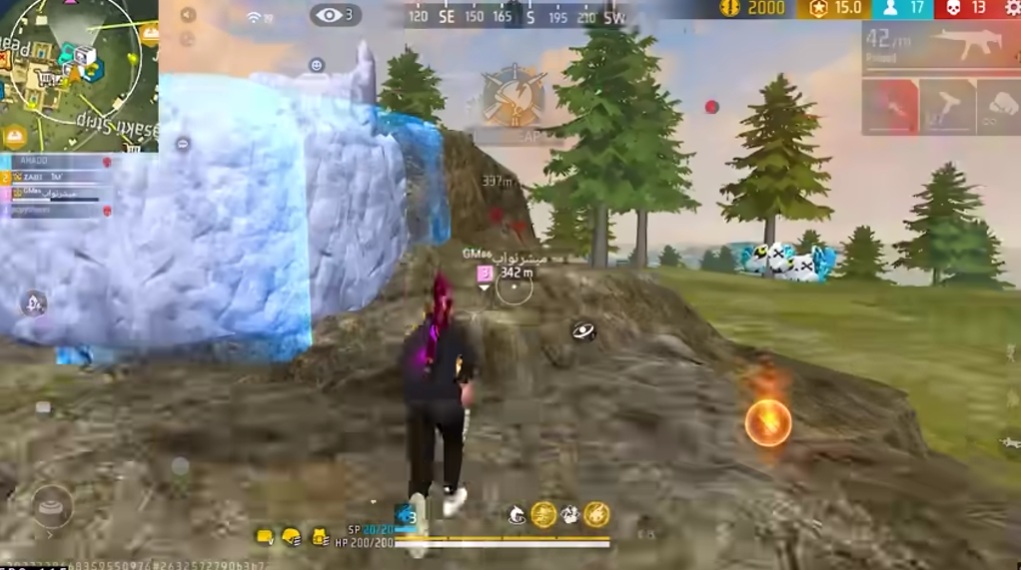
Mastering Gloo Walls Means Controlling the Fight
Pro Tip:If you're practicing aggressive Gloo Wall tactics, you'll probably burn through them quickly during intense matches. It’s always a good idea to keep extra diamonds ready. Many players choose to top up their Free Fire diamonds through platforms like keygold.gg, which is known for fast delivery and competitive pricing.
At beginner levels, Gloo Walls are simply defensive items.
At higher ranks, they become tools for controlling the battlefield.
Experienced players use Gloo Walls to:
break enemy aim
control movement
reshape terrain
force mistakes
Once you understand this, open ground stops being a disadvantage.
Instead, it becomes a space where the smarter player wins the fight.
Because in Free Fire, the player who controls the walls ultimately controls the engagement.