

Advanced Gloo Wall Guide: 5 Placement Techniques to Win Fights in Open Areas

This guide explains five advanced Gloo Wall placement techniques in Free Fire, helping players control fights, survive open terrain battles, and improve overall combat strategy.

100+10 Diamonds
$0.73
$0.97-$0.24310+31 Diamonds
$2.08
$2.9-$0.82520+52 Diamonds
$3.51
$4.84-$1.331060+106 Diamonds
$6.53
$9.19-$2.66



In Free Fire, raw aim alone rarely decides who wins a fight. High-level players understand that survival is often determined by positioning, timing, and how effectively you use your defensive tools.
Among those tools, nothing is more influential than the Gloo Wall.
To beginners, Gloo Walls are just emergency cover—something you drop when you're being shot. But experienced players treat them very differently. At higher ranks, Gloo Walls become tactical structures used to control angles, disrupt enemy aim, and reset unfavorable fights.
This is especially important when you're caught in open terrain, where natural cover is limited and fights can quickly become one-sided.
Mastering advanced Gloo Wall placement allows you to turn exposed positions into temporary defensive zones—and sometimes even reverse fights that initially look unwinnable.
Here are five advanced Gloo Wall techniques that can help you survive and outplay enemies in open ground.
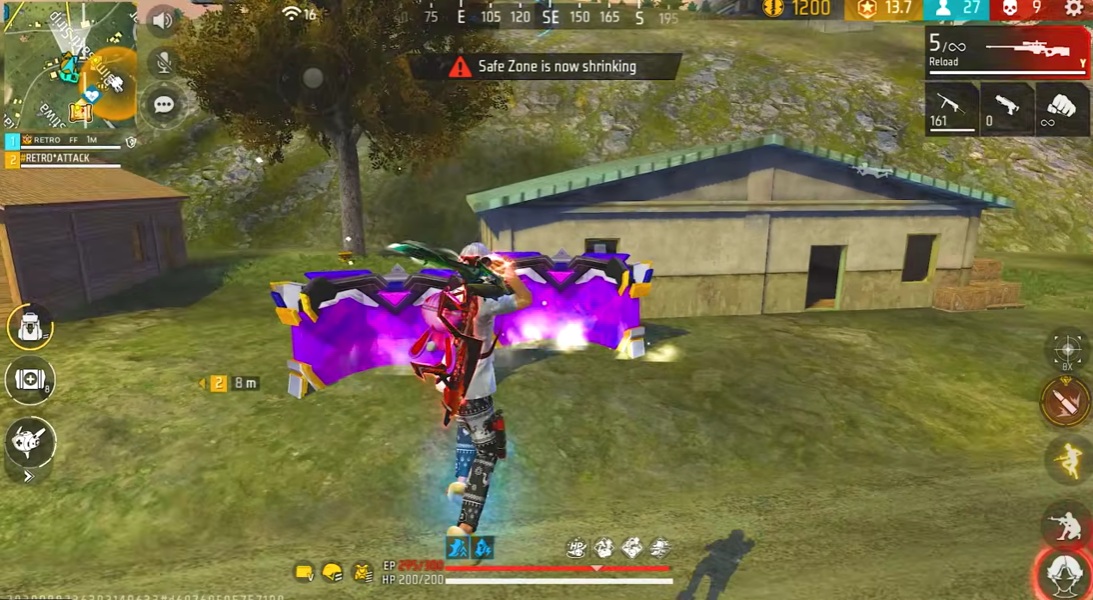
The Double-Layer Wall (Surviving Burst Damage)
One of the most reliable defensive techniques in Free Fire is the double-layer wall.
Instead of placing a single wall, skilled players deploy two Gloo Walls in quick succession, creating layered protection, which is exactly why clean instant placement mechanics matter so much in real fights.
This works because:
• the first wall absorbs the enemy's initial burst damage
• the second wall buys time when the first wall breaks
• you gain a brief window to heal, reload, or reposition
Against enemies using high-DPS weapons like Evo Guns or upgraded assault rifles, a single wall can break almost instantly.
A layered wall setup dramatically increases your survival time and forces enemies to commit more ammo and time to breaking through.
Advanced tip:
Place the second wall slightly offset rather than directly behind the first. This prevents enemies from pre-aiming the exact break point.
The Side-Step Wall (Disrupting Enemy Tracking)
A common beginner mistake is placing Gloo Walls directly in front of their character. While this works in emergencies, it also makes your movement predictable.
A more advanced technique is the side-step wall placement.
Instead of placing the wall straight ahead, drop it slightly to the side while strafing.
This forces your opponent to:
• adjust their crosshair
• recalculate your position
• briefly lose aim tracking
In fast-paced gunfights, even a half-second disruption can completely shift the outcome.
Once the enemy loses tracking, you can immediately counter-peek and punish their repositioning.
This technique is especially effective in 1v1 situations, where aim disruption directly translates into survivability.
The 360° Defense Box (Resetting the Fight)
When multiple enemies focus fire on you in open terrain, the best move is sometimes to reset the fight entirely.
The 360° defense box involves placing multiple Gloo Walls around your position, creating a temporary bunker.
The goal is not to hide indefinitely.
Instead, you use the structure to:
• heal safely
• reload your weapons
• listen for enemy movement
• identify weak angles in enemy positioning
Once you gather enough information, you exit the structure from the safest direction and re-engage.
This technique is frequently used in late-game circles, where terrain offers little cover and survival depends on quick defensive reactions, so our final circle psychology guide is a useful next read for players who struggle under endgame pressure.
The Peek Wall (Turning Defense Into Offense)
The best Free Fire players understand that Gloo Walls are not just defensive tools—they are positional tools.
The peek wall technique involves placing a wall at a slight angle relative to the enemy and using the edge to quickly peek and shoot.
This allows you to:
• expose only a small portion of your character model
• fire a quick burst of damage
• instantly retreat behind cover
Meanwhile, the enemy must expose far more of their body to return fire.
This creates a natural advantage in damage trades.
Peek walls are particularly effective with weapons that deliver high burst damage, allowing you to land shots and retreat before the enemy can respond.
The Forward Pressure Wall (Turning Defense Into Aggression)
Most players instinctively place Gloo Walls while retreating.
However, experienced players sometimes do the opposite—they place walls forward to apply pressure.
The forward pressure wall involves placing a Gloo Wall closer to the enemy and advancing behind it.
This tactic allows you to:
• close distance safely
• break enemy sightlines
• force opponents to reposition
Against players relying on snipers or long-range weapons, this tactic can completely disrupt their rhythm.
Once you close the gap, SMGs and shotguns become significantly more dangerous, often turning the fight in your favor.
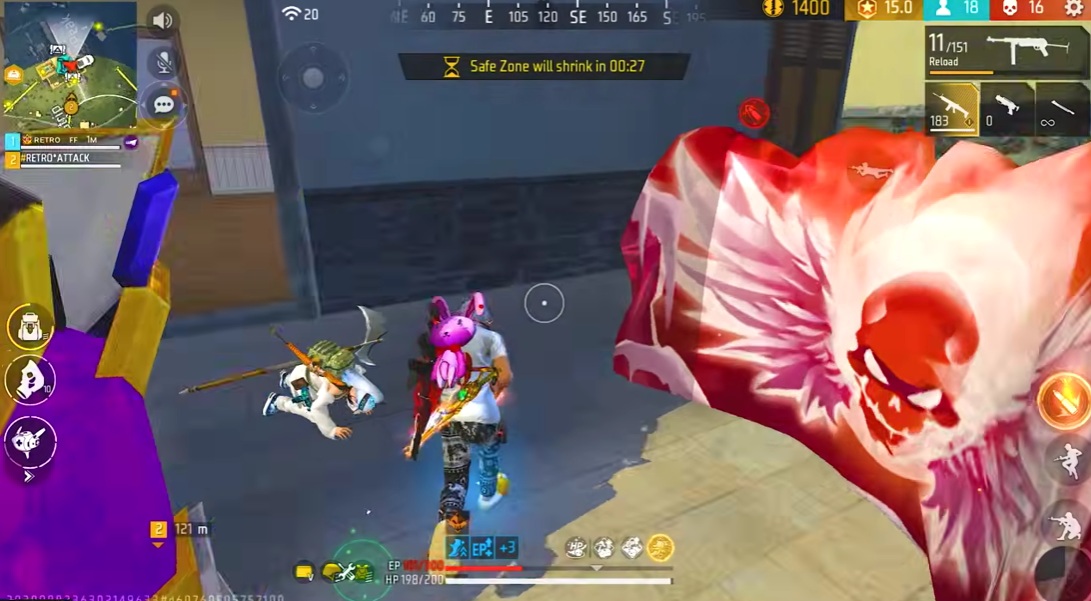
Optimizing Your Loadout for Gloo Wall Combat
Executing these techniques consistently requires more than just mechanical skill. Your character abilities, equipment setup, and overall loadout also influence how effectively you can use Gloo Walls.
Certain characters provide mobility boosts, faster cooldowns, or survivability tools that synergize well with aggressive wall placement.
Pets and passive abilities can also provide small but meaningful advantages during extended fights.
Many players experiment with different loadouts after doing a Free Fire top up, unlocking additional characters, skins, or event rewards that expand their tactical options.
Having access to a broader character pool allows players to create builds specifically designed for high-pressure combat scenarios where Gloo Wall control becomes critical.
Final Thoughts
In Free Fire, gunfights are rarely won by aim alone.
Players who master Gloo Wall placement gain the ability to control angles, reset unfavorable engagements, and manipulate enemy positioning—even when fighting in open terrain, which is why our Gloo Wall placement guide is worth reviewing as well.
The five techniques covered here—double-layer walls, side-step placement, defensive boxes, peek walls, and forward pressure walls—are commonly used by experienced players to survive difficult encounters.
With practice, these techniques allow you to transform open ground into temporary cover and maintain control even under heavy pressure.
And in a battle royale game where a single mistake can end the match, mastering Gloo Wall tactics can be the difference between an early elimination and a Booyah.