

Does Free Fire Have Hidden Hit Correction?

An advanced gameplay analysis exploring whether Free Fire uses hidden hit correction. The article breaks down aim assistance, network latency, and design-driven skill compression to explain why gunfights can feel inconsistent in Free Fire—without relying on conspiracy theories.

100+10 Diamonds
$0.73
$0.97-$0.24310+31 Diamonds
$2.08
$2.9-$0.82520+52 Diamonds
$3.51
$4.84-$1.331060+106 Diamonds
$6.53
$9.19-$2.66




If you’ve played enough Free Fire, especially beyond casual ranks, you’ve probably felt it.
Shots that shouldn’t connect… but do.
Gunfights that end faster than your reaction time suggests.
Moments where your aim feels solid, yet you lose the trade anyway.
That gut reaction leads many players to the same question:
Is Free Fire secretly helping shots land?
This article isn’t here to push conspiracy theories or dismiss player experience. It’s here to unpack what U.S. players often call “hidden hit correction”—and explain what’s actually happening under the hood, without pretending the game is something it isn’t.
What Players Actually Mean
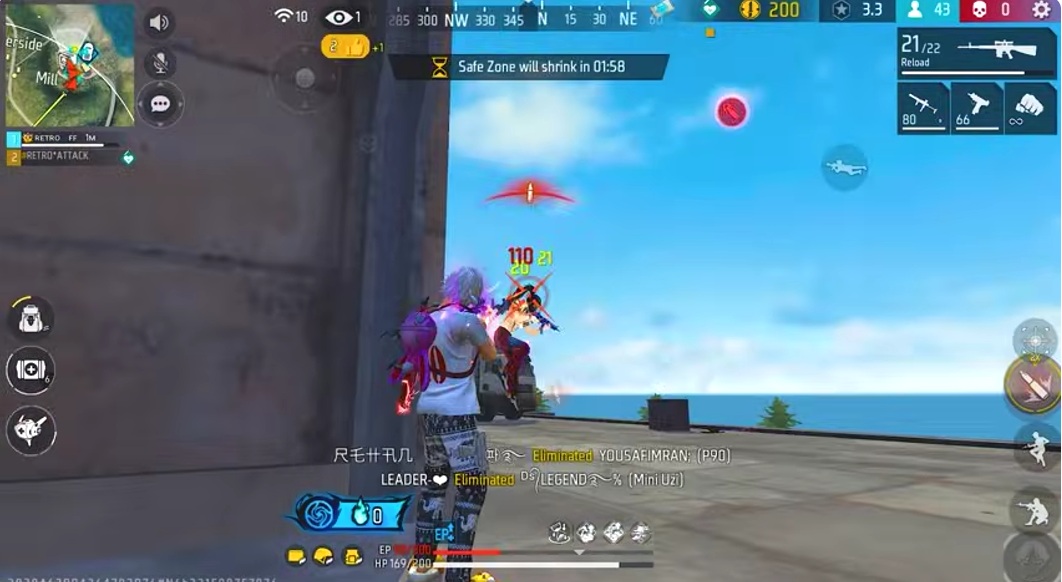
When American players talk about “hidden hit correction,” they’re rarely accusing the game of straight-up cheating. What they’re describing is a pattern of feelings:
Shots registering even when crosshair placement feels imperfect
Close-range fights resolving almost instantly
Inconsistent outcomes in seemingly identical engagements
Lower-skilled players occasionally winning fights they “shouldn’t”
The key thing to understand is this:
Players don’t experience systems.
They experience outcomes.
When outcomes feel inconsistent, the brain assumes invisible rules are at play.
That doesn’t mean they’re wrong—but it does mean the explanation is usually more structural than malicious.
Mobile Shooter Reality Check
Free Fire is a mobile-first shooter, and that fact shapes everything.
Mobile gameplay comes with hard constraints:
Touch-based aiming with limited precision
Small screens and variable frame rates
Massive device performance gaps
Unstable network conditions across regions
To keep the game playable at scale, Free Fire uses forgiveness systems. Not to guarantee hits—but to prevent the game from feeling punishing or broken.
These systems include:
Slightly generous hitboxes at close range
Aim stabilization rather than hard aim snapping
Network smoothing to reduce perceived delay
Individually, none of these feel extreme.
But Free Fire’s ultra-fast time-to-kill amplifies every small adjustment. When fights last fractions of a second, even mild assistance feels decisive.
That’s where the illusion of “hidden correction” starts.
Latency Changes Perception
Here’s where most misunderstandings come from.
Free Fire prioritizes client-side responsiveness. In simple terms: what you see and feel is often favored over strict server-side precision, and our sensory control breakdown explains why sound, footsteps, and vision do not create stable control as cleanly as many players expect.
This creates familiar frustrations:
“I was already behind cover”
“My last shot didn’t register”
“He shot after me—how did I lose?”
From the player’s point of view, it feels like the game adjusted the outcome.
From the system’s point of view, it’s reconciling delayed information from multiple devices and connections in real time.
On PC shooters with stable servers, this reconciliation is subtle.
On a global mobile shooter like Free Fire, it’s far more noticeable.
That sensation gets labeled as hidden hit correction—even when no such mechanic exists.
Skill Gets Compressed Hard
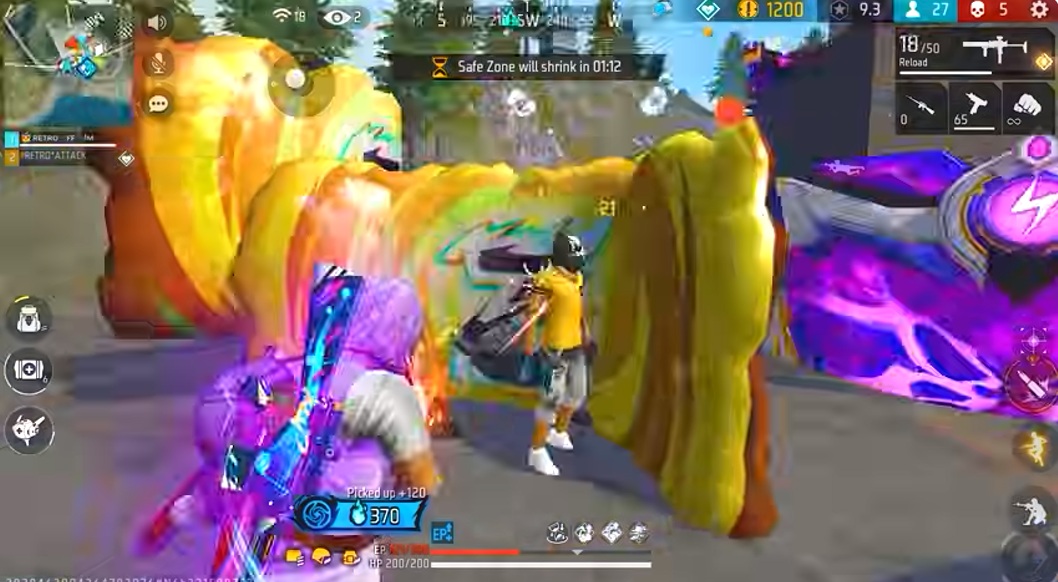
Free Fire doesn’t secretly decide winners—but it does compress skill differences by design.
Not through rigged accuracy, but through:
Extremely short engagement windows
High burst damage weapons
Strong character abilities
Close-range combat dominance
When fights resolve instantly, micro-aim advantages shrink. Decision-making outside the fight matters more than precision inside it.
That’s why experienced players prioritize:
Positioning before engagement
Ability timing over flick accuracy
Loadout and character synergy
Choosing when to fight, not just how
Progression also plays a role. Access to better characters, weapons, and builds increases consistency dramatically, which is why many high-level players view Free Fire top up as a way to accelerate competitive readiness—not as pay-to-win, but as time optimization.
What looks like “the game helping someone hit shots” is often better preparation meeting faster execution.
Why The Myth Persists
The idea of hidden hit correction won’t disappear—and honestly, it probably shouldn’t.
Free Fire is:
Fast
Lethal
Chaotic
Played across wildly different devices and networks
In that environment, clean cause-and-effect is hard to perceive. When results don’t match expectations, players assume intervention.
But there’s no solid evidence that Free Fire dynamically adjusts hit accuracy on a per-player basis to decide fights.
What it does do is smooth rough edges so millions of players can compete together. And that smoothing blurs the line between pure skill and system assistance.
The Real Takeaway
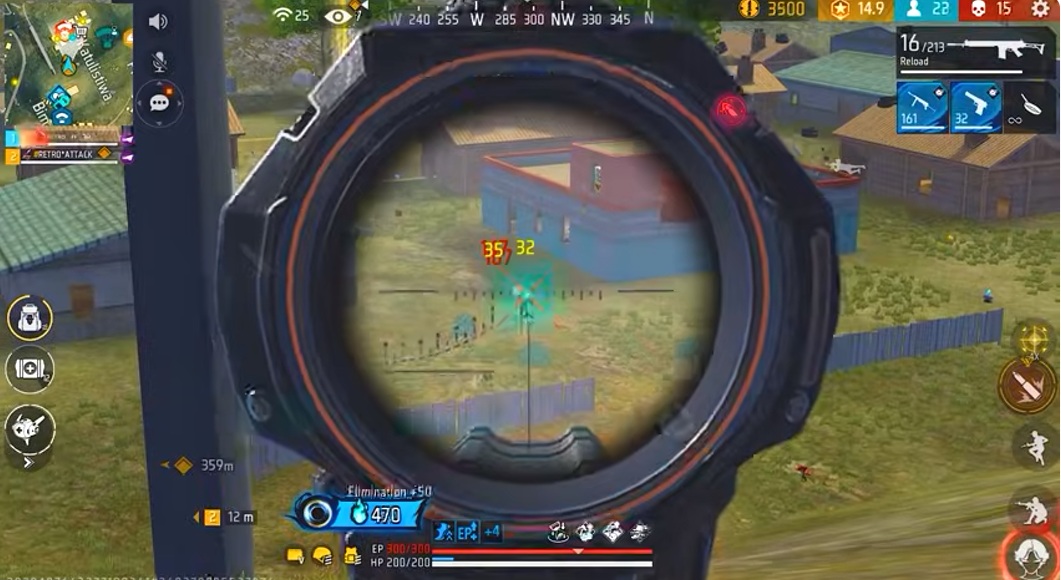
Free Fire doesn’t need hidden hit correction to feel unfair sometimes.
Its speed, latency handling, aim assistance, and design philosophy already create outcomes that look adjusted—even when they aren’t.
If you approach Free Fire expecting PC-shooter purity, frustration is inevitable.
If you approach it as a high-tempo efficiency game, everything clicks.
The real advantage isn’t uncovering secret mechanics.
It’s understanding which variables actually matter—and building around them.
Once you stop chasing invisible rules, you start winning fights you can actually control.