
Why Free Fire Close Fights Are About Reaction, Not Gun Control
 Quinn Thompson


This article explores why close-range gunfights in Free Fire reward reaction speed, movement timing, and fast decision-making more than traditional recoil control. By analyzing close combat mechanics, peek timing, and player behavior, it offers practical insights for improving performance in high-pressure fights.
If you’ve played enough Free Fire, you’ve probably had this moment: you take a clean angle, you start shooting first, your crosshair feels “on,” and you still get deleted in what feels like a blink. Then you watch the replay in your head and think, “What did I even do wrong? My control wasn’t bad.”
At close range in Free Fire, that feeling isn’t in your imagination. The game’s close-quarters fights often reward instant decisions and micro-timing more than long, steady recoil mastery. Gun control matters, but it’s not the main language of point-blank combat. The main language is reaction—and reaction in Free Fire isn’t just raw reflexes. It’s also prediction, peeker’s timing, and how quickly you convert messy information into a winning action.
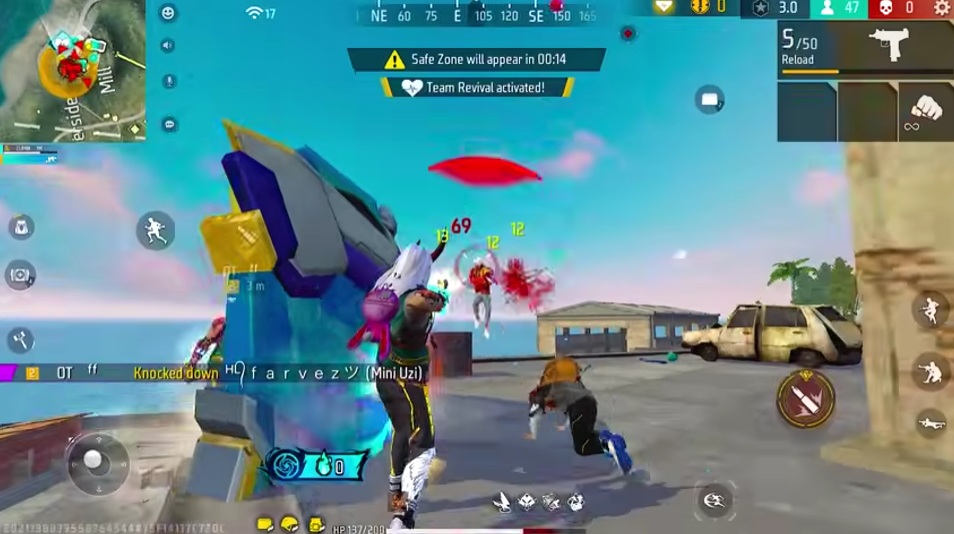
The “Time-to-Decision” Problem
In traditional “control-heavy” shooters, you win close-range fights by tracking smoothly and controlling recoil under pressure. In Free Fire, you often win by being the first person to make the right decision—and making it fast.
Close range compresses the fight into a few frames
At point blank, the fight is usually decided in a tiny window: who lands the first meaningful burst, who breaks the opponent’s aim first, who forces the other player to panic-move, who toggles cover at the right instant. That’s why it feels like “reaction.”
When the entire fight is 0.5–1.5 seconds, “I controlled the spray better” becomes less valuable than:
“I pre-aimed the correct height.”
“I peeked on my timing, not his.”
“I moved in a way that destroyed his crosshair placement.”
“I hit the first chunk of damage before he stabilized.”
The first 150ms matters more than the next 500ms
This is the part most players miss. People think reaction is about the moment you see the enemy and start shooting. But the real difference maker is what you already decided before you see them:
Where your crosshair sits while you move
Whether you’re committed to swing or bait
Whether you’ll jump, crouch, strafe, or instant cover
Whether you’re already “ready” to fire or still processing
In other words, close-range fights reward players who have a plan preloaded. That’s not only reflex—it’s preparation.
That preparation also explains why players who understand mid-range fights often make better close-range decisions before the rush even starts.
Movement Breaks “Aim Skill” at Point Blank
At medium range, aim control is tracking + recoil management. At close range in Free Fire, movement turns aim into something else: crosshair disruption.
The fight is less “who aims better” and more “who ruins aim first”
At point blank, small movement changes create huge aim errors because the target occupies a large part of your screen and your required correction is dramatic. If you can force the opponent to “over-correct,” you don’t need perfect control—you just need them to miss long enough for you to finish.
That’s why close-range fights feel like:
sudden jumps
fast strafes
micro-crouches
quick shoulder-peeks
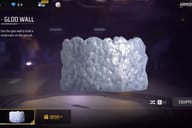
snap re-peeks behind gloo walls or tight cover
A player with average recoil control but great movement timing can beat a player with cleaner spray simply by making their opponent’s crosshair “fall apart.”
Predictable control loses to unpredictable rhythm
Gun control is repeatable. Good close-range movement is not—at least not when done well. If your strafe pattern is readable, the other player’s “reaction” improves because they start predicting you. If your rhythm is messy (but intentional), it forces pure response.
A simple example:
Player A: steady left-right strafe at the same tempo every fight
Player B: short-left, pause, burst, hard-right, micro-crouch, burst
Player B doesn’t look “smoother,” but they’re harder to hit, which makes Player A’s gun control irrelevant. It also helps explain why players sometimes feel the same weapon behaves differently under pressure, which we break down in gun feel shifts.
The Hidden Advantage: Peek Timing and Information Asymmetry
A lot of “reaction” in Free Fire is secretly about who gets information first—and who gets to shoot while the other is still recognizing what’s happening.
Peeker’s timing turns reaction into a weapon, and our visual advantage breakdown explains why sound, footsteps, and vision do not create control as reliably as many Free Fire players assume.
Close range often happens around corners, doors, gloo walls, and narrow cover. If you swing at the right moment—especially when your opponent is mid-move, mid-reload, or mid-aim adjustment—you aren’t “out-aiming” them. You’re catching them in the wrong state.
The winner is frequently the player who:
chooses when the fight starts
starts firing the instant their crosshair enters the target zone
uses cover so the opponent sees them later than they see the opponent
When fights are this short, “seeing first” is almost the same as “winning,” because it gives you the first meaningful damage.
Crosshair placement is reaction speed in disguise
Players talk about reaction like it’s genetics. But a huge part of “fast reaction” is simply having your crosshair already where the enemy is likely to appear.
If your crosshair floats at chest level while you move through a building, you’ll “react” faster than someone who keeps it low and has to flick up. That looks like reflex. It’s actually discipline. That is also why improving headshot basics matters more than many players think, because a lot of “fast aim” is really better setup before the shot.
Why third-party fights amplify the reaction feeling
In messy close-range fights (especially squads), you’re constantly switching targets, resetting, taking cover, and making instant decisions. Recoil control doesn’t transfer cleanly from target to target. But “decision speed” does.
That’s why good close-range players don’t just win 1v1s—they survive chaos:
they choose the right target
they know when to disengage
they take one angle, then instantly relocate
they prioritize cover over “finishing” too early
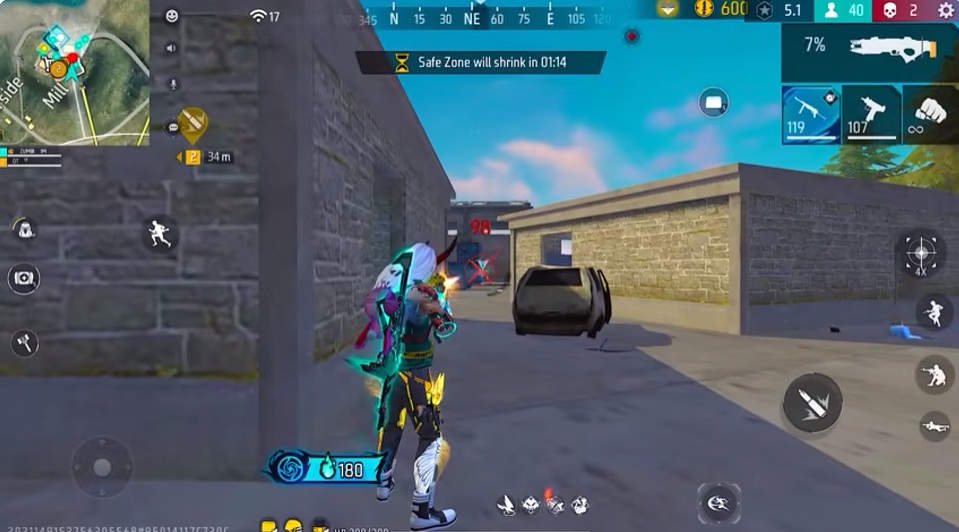
What This Means for Improvement (And How to Train It)
If close-range in Free Fire feels like reaction, then the best practice isn’t just recoil drills. You want to train fast decision loops and movement + peek structure.
1) Train “first bullets,” not full sprays
In close range, your first burst often decides the fight. In training, focus on:
snapping to head/chest line quickly
landing the first 3–6 bullets cleanly
resetting your aim after a movement change
This builds the exact skill that wins point-blank fights: early damage before the opponent stabilizes.
2) Build a personal “fight script”
When you enter a doorway or turn a corner, don’t “wing it.” Have a default plan:
“If I see him wide, I hard-strafe + burst.”
“If he’s tight, I shoulder-peek to bait shots, then re-peek.”
“If I’m weak, I gloo + reposition instead of ego-challenging.”
Your goal is to reduce thinking time. The more your body knows what to do, the faster you look.
3) Practice movement with intention, not randomness
Unpredictable doesn’t mean sloppy. It means you change rhythm on purpose:
strafe-short → pause → burst
jump only when it disrupts aim, not as a habit
crouch to break head-level tracking, not to “look pro”
The best close-range movement is simple, but timed. If you want to apply that timing in real matches, our rush movement guide shows how movement choices and entry angles change the outcome of fast fights.
4) Upgrade your “information habits”
Reaction speed improves when your brain expects the fight:
keep your crosshair at likely enemy height
clear angles in a consistent order
avoid sprinting into rooms with your aim low and your brain late
These habits make you feel “faster” without actually becoming faster.
And if you’re building a stronger account for competitive play, it’s normal to pair skill training with smart resource planning—just keep it clean and intentional, whether that’s grinding events or doing a one-time Free Fire top up to finish a loadout that supports your close-range style.
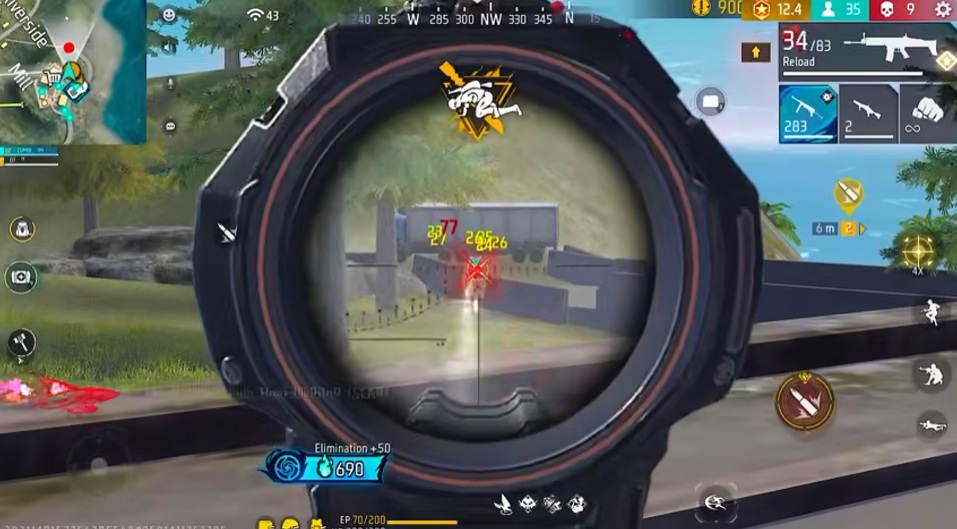
Close-range Free Fire isn’t “only reaction,” and it’s not “only gun control.” It’s a game of who starts the fight on their terms, who breaks the opponent’s aim first, and who makes the correct micro-decision in a tiny time window.
Once you stop treating close-range as a recoil contest—and start treating it as a timing and decision contest—you’ll notice something: you’ll “react faster” without changing your reflexes at all.

- 100+10 Diamonds$0.82-$0.15$0.97
- 310+31 Diamonds$2.46-$0.43$2.9
- 520+52 Diamonds$4.11-$0.73$4.84
- 1060+106 Diamonds$7.81-$1.38$9.19
- 2180+218 Diamonds$15.56-$2.75$18.31
- 5600+560 Diamonds$39.09-$6.9$45.99
- Weekly Membership$1.79-$0.32$2.11
- Monthly Membership$8.61-$1.52$10.13
- Booyah Pass card$3.18-$0.56$3.74
- Weekly Lite$0.42-$0.07$0.5
- Jovial Symphony King Bundle$4.56-$0.8$5.36
- Queen Joyful Melody Bundle$4.56-$0.8$5.36