Why Free Fire Is So Popular in Latin America
 Quinn Thompson


This article analyzes the key factors behind Free Fire’s explosive success in Latin America, including device accessibility, internet conditions, free-to-play fairness, creator influence, esports culture, and regional Free Fire top up behavior. A clear player-focused breakdown of how the game became a cultural phenomenon in LATAM.
- Built for Low-End Phones (and Real-World Conditions)
- Low Data Usage + Unstable Internet Friendly
- A True Free-to-Play Experience (Not Pay-to-Win)
- Strong Localized Content and LATAM Representation
- Influencers and Grassroots Community Power
- Esports That Feel Reachable, Not Distant
- Short Sessions Fit Daily Life
If you look at gaming trends in Latin America, one name shows up again and again: Free Fire.
It’s not just popular—it’s a cultural phenomenon. Stadium-sized esports events, millions of daily players, and a level of mainstream recognition that most mobile games never reach.
So why this game, in this region?
The answer isn’t just “it’s free” or “people like battle royale.” Free Fire succeeded in Latin America because it aligned perfectly with local realities—technological, economic, and cultural.
Let’s break it down.
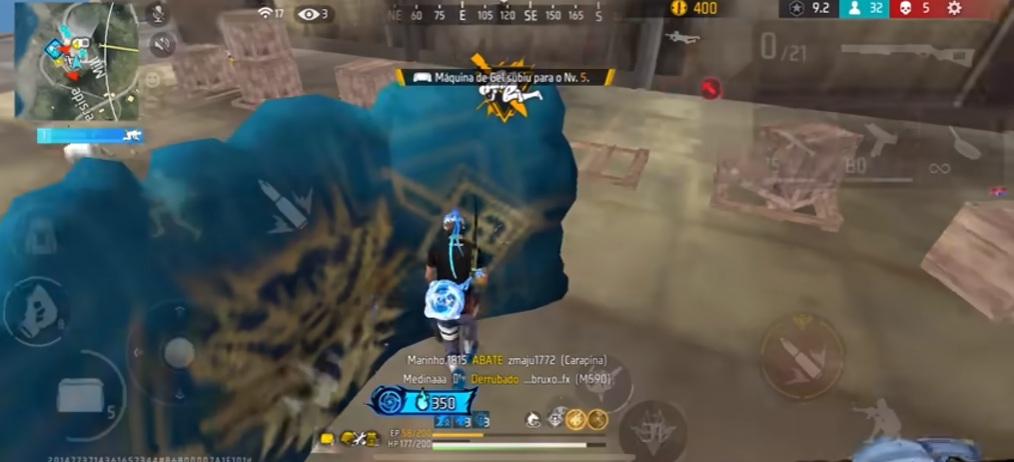
Built for Low-End Phones (and Real-World Conditions)
Latin America is a mobile-first gaming market, but not a flagship-phone market.
Many players use:
Entry-level or mid-range Android devices
Phones with limited RAM and storage
Older processors and inconsistent performance
Free Fire was designed specifically for this environment:
Small install size
Stable performance on low-spec devices
Short matches that don’t overheat phones or drain batteries
While other battle royales struggled to run smoothly, Free Fire just worked.
Accessibility wasn’t a bonus—it was the foundation.
Low Data Usage + Unstable Internet Friendly
In many LATAM countries:
Mobile data is expensive
Wi-Fi can be slow or unstable
Network quality varies widely by region
Free Fire’s technical design fits this reality:
Lower bandwidth requirements
Shorter sessions (5–10 minutes)
Faster matchmaking and quick reconnects
Players don’t need a perfect connection to enjoy the game. That matters a lot when gaming on prepaid data plans or shared networks.
A True Free-to-Play Experience (Not Pay-to-Win)
Latin American players are extremely sensitive to pay-to-win mechanics—and for good reason.
Free Fire struck a rare balance:
Spending improves style, variety, and convenience
Skill, positioning, and decision-making still decide fights
Competitive integrity feels mostly intact for F2P players
This is also why Free Fire top up behavior in Latin America looks different from other regions.
Instead of large one-time purchases, many players prefer small, frequent top-ups—buying diamonds for specific skins, characters, or limited-time events rather than raw power.
Cosmetics, characters, and bundles are attractive—but not mandatory.
That makes spending feel optional, controlled, and fair.
Strong Localized Content and LATAM Representation
Garena didn’t treat Latin America as a secondary market.
They invested heavily in:
Spanish and Portuguese-first communication
LATAM-exclusive events and rewards
Collaborations with regional celebrities and influencers
Local servers and esports infrastructure
Because of this, Free Fire top up promotions are often localized, priced and bundled in ways that actually make sense for LATAM players’ purchasing power.
Players see themselves reflected in the game and its economy—not priced out of it.
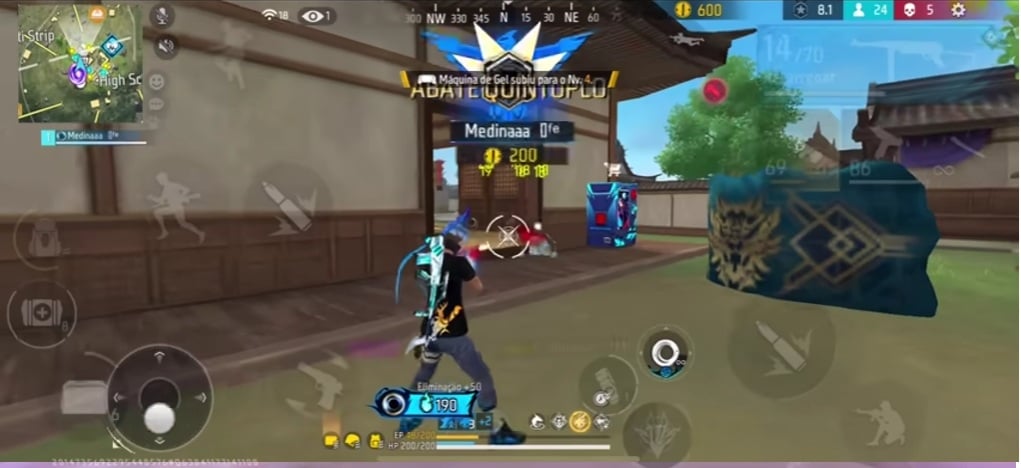
Influencers and Grassroots Community Power
Free Fire didn’t grow only through ads—it grew through people.
YouTube, TikTok, and Facebook Gaming creators in LATAM:
Made Free Fire their main content
Built massive audiences around tutorials, funny clips, and live matches
Regularly showcased new skins, characters, and Free Fire top up rewards during streams
For many players, spending wasn’t driven by ads—it was driven by community hype and creator culture.
Free Fire wasn’t something they found.
It was something everyone around them was already playing.
Esports That Feel Reachable, Not Distant
In some regions, esports feels elite and disconnected.
In Latin America, Free Fire esports feels aspirational but attainable.
Local tournaments at internet cafés and schools
Regional leagues with clear progression paths
Players from similar backgrounds reaching the pro scene
This environment encourages engagement not only through play, but also through progression—where occasional Free Fire top up purchases feel like supporting a dream, not buying an advantage.
Short Sessions Fit Daily Life
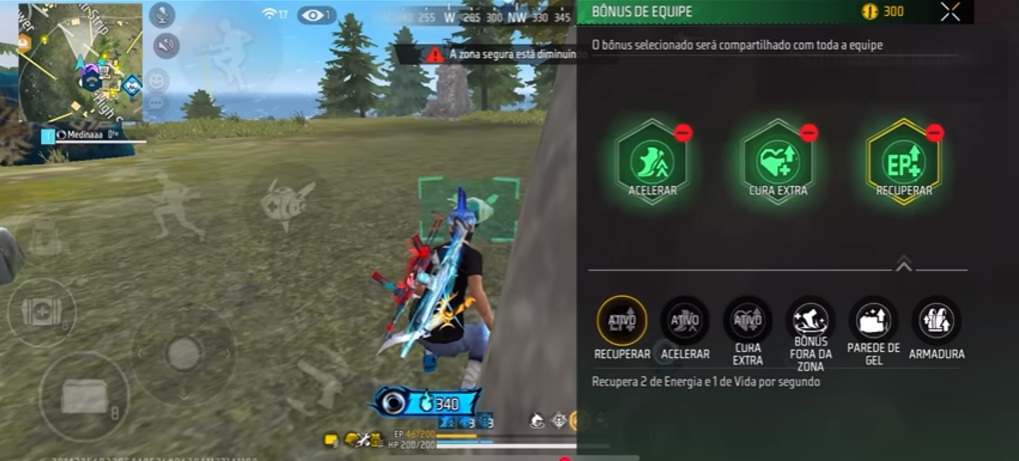
Free Fire matches are fast. That sounds simple, but it’s crucial.
Many LATAM players:
Play during commutes
Share devices with family members
Have limited uninterrupted free time
A full, exciting match in under 10 minutes fits perfectly into real life.
Quick matches also mean players can enjoy content they unlocked through a Free Fire top up almost immediately—no long grind required.
The Big Picture: Right Game, Right Place, Right Time
Free Fire didn’t dominate Latin America by accident.
It succeeded because it:
Respected hardware limitations
Understood economic realities
Embraced local culture
Offered flexible spending paths like Free Fire top up without forcing them
In short, it didn’t ask players to adapt to the game—the game adapted to the players.
That’s why, years later, Free Fire isn’t just popular in Latin America.
It’s part of the culture.

- 100+10 Diamonds$0.82-$0.15$0.97
- 310+31 Diamonds$2.46-$0.43$2.9
- 520+52 Diamonds$4.11-$0.73$4.84
- 1060+106 Diamonds$7.81-$1.38$9.19
- 2180+218 Diamonds$15.56-$2.75$18.31
- 5600+560 Diamonds$39.09-$6.9$45.99
- Weekly Membership$1.79-$0.32$2.11
- Monthly Membership$8.61-$1.52$10.13
- Booyah Pass card$3.18-$0.56$3.74
- Weekly Lite$0.42-$0.07$0.5
- Jovial Symphony King Bundle$4.56-$0.8$5.36
- Queen Joyful Melody Bundle$4.56-$0.8$5.36