Why Southeast Asian Players Embrace Free Fire So Strongly
 Quinn Thompson


An in-depth breakdown of why Free Fire resonates so strongly with Southeast Asian players, focusing on mobile-first design, short match pacing, progression psychology, and regional gaming culture rather than hype or trends.
From a Western perspective, Free Fire’s dominance in Southeast Asia can feel puzzling.
The visuals are loud.
Gunfights end almost instantly.
The mechanics feel unforgiving.
Matches are short—even abrupt.
Yet in countries like Indonesia, Thailand, Vietnam, the Philippines, and Malaysia, Free Fire isn’t just popular. It’s embedded.
It’s played in internet cafés, on buses, between classes, after work, and in shared living spaces. It’s streamed, discussed, and recognized instantly.
That level of adoption doesn’t come from hype alone.
It comes from alignment.
Free Fire works in Southeast Asia because it was designed around conditions many global games ignore.
Mobile Infrastructure Isn’t a Preference — It’s Reality
In Southeast Asia, mobile gaming isn’t an alternative platform.
It’s the primary one.
Many players:
Use mid-range or entry-level Android phones
Share devices with family members
Rely on prepaid mobile data instead of unlimited home broadband
Experience fluctuating latency depending on location and time of day
Free Fire was engineered specifically for this environment.
Its small download size, modest hardware requirements, and tolerance for unstable connections allow it to run smoothly where heavier titles struggle or fail outright.
In practice, this means:
Fewer crashes
Faster loading times
Less frustration during peak network hours
For millions of players, Free Fire isn’t the “best-looking option.”
It’s the only option that works consistently.
Short Matches Fit Real Daily Schedules
Gaming sessions in Southeast Asia usually happen in gaps, not blocks.
Players jump in:
During school breaks
On public transportation
Between work shifts
While waiting for friends
In internet cafés with hourly limits
A 25–30 minute battle royale match doesn’t fit naturally into those moments.
Free Fire’s under-10-minute matches do.
This design creates:
Low commitment per session
Fast emotional payoff
Clear closure—win or lose
Players don’t feel punished for playing casually or leaving early. They feel rewarded simply for participating.
That rhythm encourages frequent, habitual play instead of long marathon sessions—perfectly aligned with mobile-first lifestyles.
Progression Feels Immediate, Visible, and Worth Paying For
In many Western games, progression is subtle:
Small statistical improvements
Hidden matchmaking adjustments
Long-term mastery curves
In Southeast Asia, players often prefer progress they can see immediately.
Free Fire delivers that through:
Highly visible skins
Character-based identities
Clear visual separation between new and experienced players
Progress isn’t abstract—it’s social and visual.
This is where systems like Free Fire top up fit naturally into the ecosystem.
For players with limited time but strong engagement, topping up isn’t about “buying power.” It’s about shortening the distance between effort and reward. A quick top up allows players to unlock characters, cosmetics, or progression milestones without grinding for weeks—making every short session feel meaningful.
In markets where spending decisions are careful and deliberate, purchases need to feel instantly worthwhile. Free Fire’s progression design ensures they do.
Fast Punishment Feels Fair on Mobile
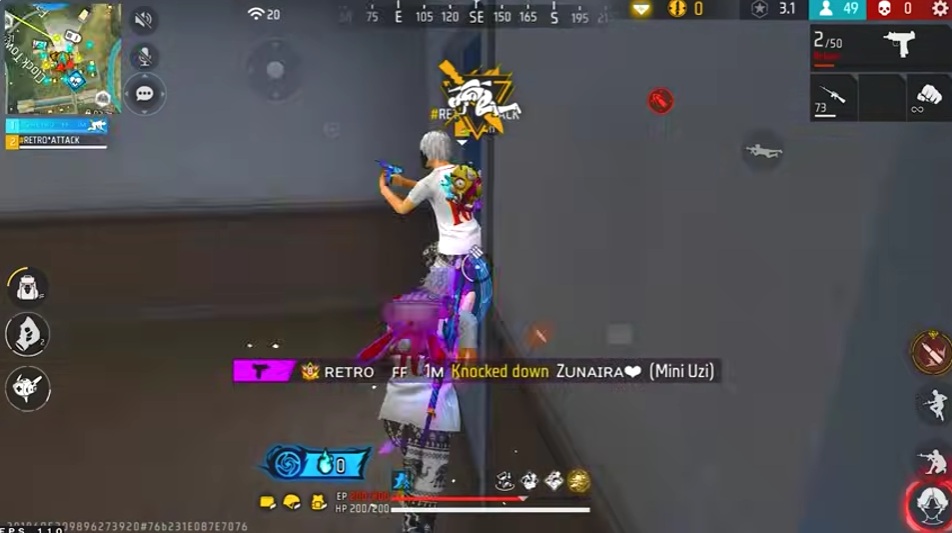
Free Fire’s short Time-to-Kill often surprises Western players—but in Southeast Asia, it feels intuitive.
On mobile:
Precision aiming is inconsistent
Network conditions vary
Hardware advantages are harder to control
Long duels would only amplify these issues.
Instead, Free Fire emphasizes:
Positioning over tracking
Awareness over reflex grinding
Decision-making before the fight begins
Mistakes are punished instantly—but so are poor decisions.
For many players, this feels fairer than extended gunfights where device quality or network stability quietly determines the winner.
Everyone plays under similar constraints, and outcomes feel consistent as a result.
Gaming Is Social, Public, and Expressive
In Southeast Asia, gaming is rarely a solitary activity.
It’s played:
With friends sitting nearby
In shared rooms or cafés
While being watched by others
Free Fire embraces this reality.
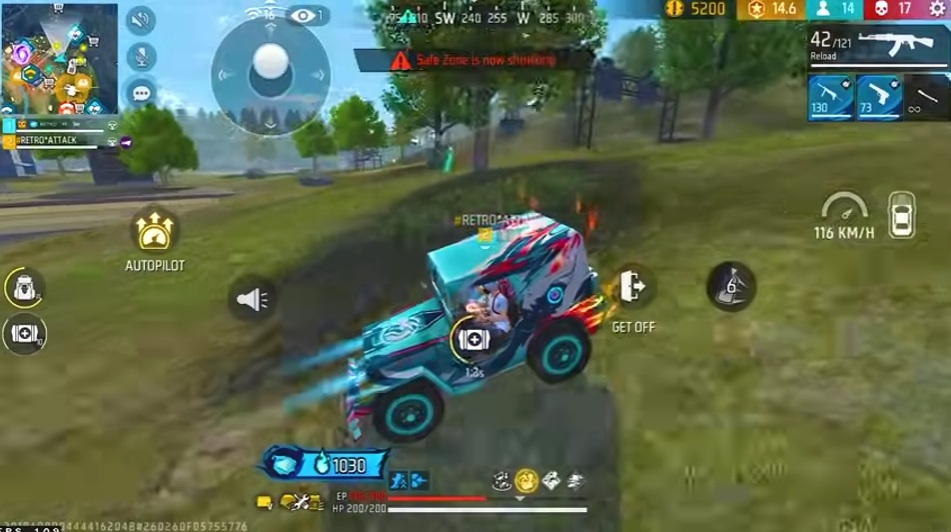
Its loud cosmetics, recognizable characters, and animated skins make it easy to:
Identify teammates instantly
Signal experience and status
Stand out in crowded lobbies
The game doesn’t just allow social play—it amplifies it.
Identity matters.
Recognition matters.
Being memorable matters.
Free Fire designs for that openly.
Final Thoughts
Free Fire thrives in Southeast Asia because it mirrors real life.
It’s fast because time is fragmented.
It’s accessible because devices vary.
It’s visually bold because visibility matters.
It’s mobile-first because mobile is the platform.
Western players often ask why Southeast Asia “accepts” Free Fire.
The real answer is simpler:
Free Fire understands Southeast Asia.
It doesn’t ask players to change how they live or play.
It fits into their routines, constraints, and habits exactly as they are.
That’s why adoption turns into loyalty—and popularity turns into culture.


- 100+10 Diamonds$0.82-$0.15$0.97
- 310+31 Diamonds$2.46-$0.43$2.9
- 520+52 Diamonds$4.11-$0.73$4.84
- 1060+106 Diamonds$7.81-$1.38$9.19
- 2180+218 Diamonds$15.56-$2.75$18.31
- 5600+560 Diamonds$39.09-$6.9$45.99
- Weekly Membership$1.79-$0.32$2.11
- Monthly Membership$8.61-$1.52$10.13
- Booyah Pass card$3.18-$0.56$3.74
- Weekly Lite$0.42-$0.07$0.5
- Jovial Symphony King Bundle$4.56-$0.8$5.36
- Queen Joyful Melody Bundle$4.56-$0.8$5.36